The Republic of Armenia offers one of the most welcoming citizenship by descent programs globally, allowing individuals with Armenian ancestry to reclaim their citizenship and reconnect with the ancestral homeland.
If you can prove descent from an Armenian parent, grandparent, or great-grandparent, or demonstrate Armenian ethnic origin, you may qualify for Armenian citizenship, granting you visa-free travel to 63+ countries, access to the Eurasian Economic Union, and membership in one of the world's oldest Christian nations with a 3,000-year history.
Armenia's citizenship law recognizes the tragedy of the 1915 Armenian Genocide and subsequent diaspora, making it straightforward for ethnic Armenians worldwide to obtain citizenship regardless of how many generations have passed. The program requires no residency period, no language tests (though Armenian language knowledge is valued), and no financial investment. Armenia permits dual citizenship without restrictions for ethnic Armenians, meaning you keep your current nationality while gaining Armenian citizenship benefits.
With an estimated 7-10 million Armenians in the diaspora (compared to 3 million in Armenia), the government actively encourages the return and reconnection of Armenians worldwide. Whether your family fled the Genocide, emigrated from the Soviet Union, or left during economic transitions, Armenia welcomes you home.
Our expert team at CitizenX manages your entire citizenship journey, from archival research and document procurement to liaising with Armenian authorities and delivering your Armenian passport. Contact us today to discover if your Armenian roots unlock your path to citizenship.
20 Benefits of Armenian Citizenship
1. Visa-Free Travel to 63+ Countries
Armenian passport offers visa-free or visa-on-arrival access to 63+ destinations including Russia, CIS countries, Turkey, Iran, China (30 days), UAE, Qatar, Georgia, and many others. Strategic access to Eurasian markets and Middle Eastern destinations not easily accessible with Western passports.
2. Eurasian Economic Union (EAEU) Membership
Armenia is member of alongside Russia, Belarus, Kazakhstan, and Kyrgyzstan. Armenian citizens have right to live, work, and do business throughout EAEU without work permits or visas. Access to massive Eurasian market of 180+ million people.
3. Generous Ancestry Recognition, No Generational Limit
One of world's most inclusive programs. Unlike countries limiting eligibility to parent/grandparent, Armenia accepts any degree of Armenian ancestry. If you can prove ethnic Armenian heritage (even great-great-grandparent or beyond), you may qualify. No cutoff generation.
4. Recognition of Genocide and Diaspora History
Armenian citizenship law acknowledges the 1915 Armenian Genocide and forced displacement of Armenian people. Special pathways exist for descendants of Genocide survivors and those whose families were displaced. Armenia honors diaspora as part of Armenian nation.
5. Dual Citizenship Permitted Without Restrictions
Armenia allows dual/multiple citizenship without limitations for ethnic Armenians. Keep your current nationality (US, Canadian, European, Russian, etc.) while adding Armenian citizenship. No renunciation required.
6. No Residency Requirement
Zero residency requirement before or after obtaining citizenship for descent applications. Complete entire process while living abroad. Visit Armenia only if you choose, not because you must.
7. Ancient Christian Heritage, First Christian Nation
Armenia was the first country to officially adopt Christianity (301 AD), predating Roman Empire. Connect with 1,700+ years of Christian history. Access to ancient monasteries, churches, and holy sites throughout Armenia. UNESCO World Heritage religious sites.
8. 3,000+ Year Cultural Legacy
One of world's oldest civilizations. Armenian alphabet created 405 AD (still in use). Rich literary, artistic, and architectural traditions. Armenian language is unique Indo-European branch. Deep historical roots in Caucasus region.
9. Growing Tech & Business Hub
Armenia rapidly developing as tech and startup center. Thriving IT sector (engineering talent, software development, outsourcing). Competitive business costs compared to Europe/US. Government incentives for tech companies and startups. Growing venture capital ecosystem.
10. Low Cost of Living
Extremely affordable compared to Western countries. Rent in Yerevan (capital): $300-$600/month for quality apartment. Food, transportation, utilities very inexpensive. High quality of life relative to cost. Ideal for retirees, remote workers, digital nomads.
11. Strategic Caucasus Location
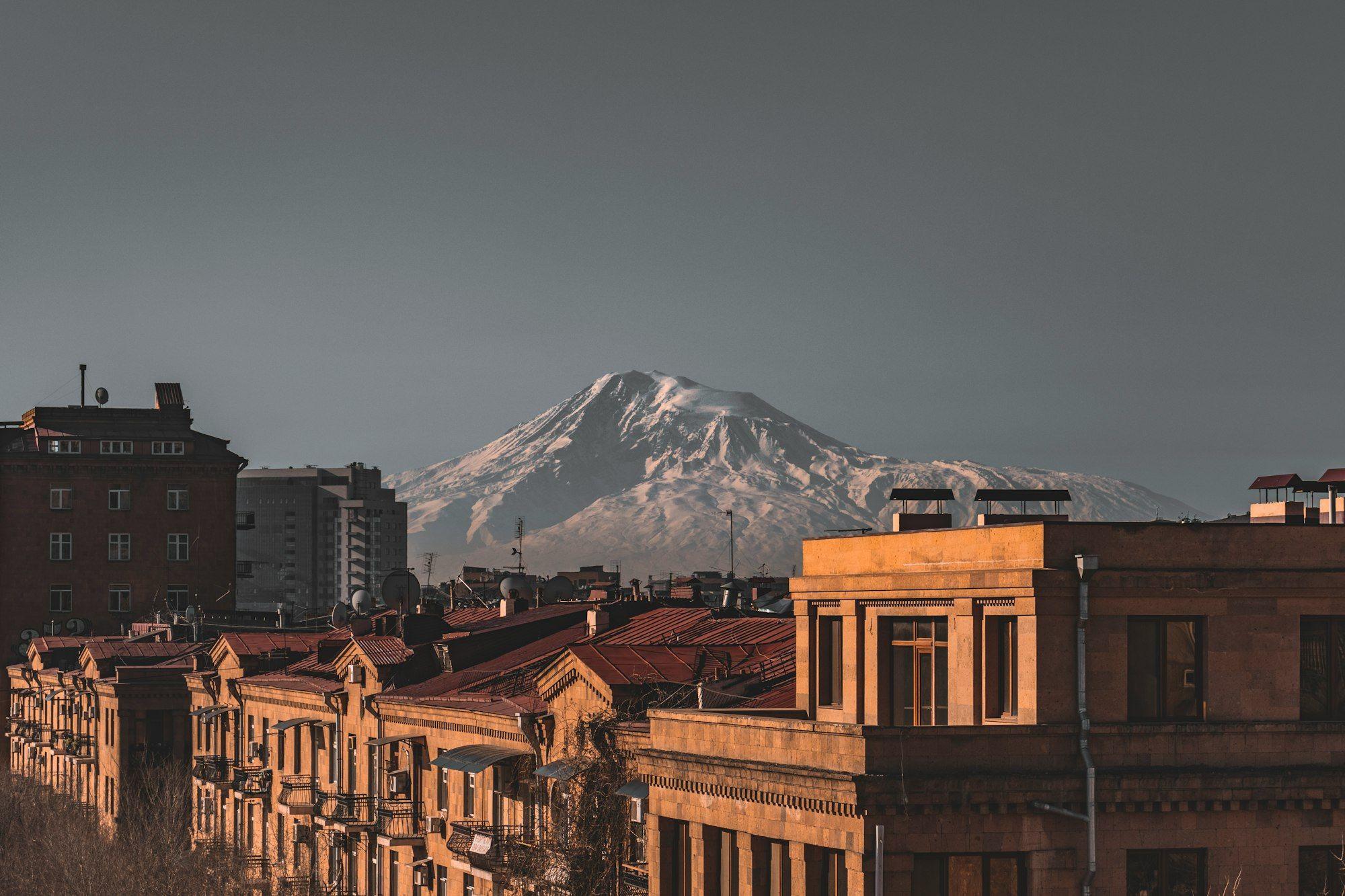
Situated between Europe and Asia in South Caucasus. Borders with Georgia, Azerbaijan, Turkey, Iran. Access to diverse markets and cultures. Beautiful mountain landscapes (Mount Ararat views), ancient Silk Road crossroads.
12. Tax Advantages
Favorable tax regime: 20-23% income tax (flat rates), no wealth tax, 10% capital gains tax, territorial tax system for some income types. Simply becoming citizen doesn't trigger tax residency. Tax obligations depend on where you actually live and work.
13. No Language Requirement for Citizenship
While Armenian language knowledge valued and beneficial, no formal language test required for citizenship by descent. Can complete process in English, Russian, or Armenian. However, learning Armenian enhances integration if you relocate.
14. Family Legacy & Generational Wealth
Once you obtain citizenship, pass it to your children and all future generations. Armenian citizenship hereditary. Ensure your descendants maintain connection to Armenian heritage.
15. Affordable Real Estate
Property prices significantly lower than Western countries. Can purchase apartments Yerevan city center $50,000-$150,000. Land and rural property very affordable. No restrictions on Armenian citizens owning property. Growing real estate market.
16. Fast Processing Timeline
Typical processing: 6-12 months from application to Armenian citizenship and passport. Straightforward cases with clear documentation can complete faster. Efficient government processing compared to many European programs.
17. Reconnection with Armenian Community
Join vibrant Armenian communities in Armenia and worldwide. Access to Armenian cultural institutions, churches (Armenian Apostolic Church), community organizations. Strengthen ties to Armenian identity and traditions.
18. Access to Armenian State Benefits
Full rights as Armenian citizen: healthcare system access, education (including universities), social services, voting rights. Participate fully in Armenian civic life.
19. Safe & Welcoming Environment
Armenia consistently ranks as safe country with low crime rates. Welcoming culture especially toward diaspora Armenians. Strong sense of community and hospitality. Family-oriented society.
20. Caucasus Natural Beauty
Stunning mountain landscapes, Lake Sevan (one of world's highest alpine lakes), Dilijan National Park, ancient forests. Four distinct seasons. Excellent hiking, skiing, and outdoor recreation. UNESCO Biosphere Reserves.
Eligibility, Multiple Pathways
Armenia offers several routes to citizenship for those with Armenian heritage:
Pathway 1: Citizenship by Descent (Most Common)
You qualify if you can prove descent from an Armenian ancestor, no generational limit:
✓ Armenian Parent: If either parent was Armenian citizen at your birth, you automatically qualify for Armenian citizenship
✓ Armenian Grandparent: If grandparent was Armenian citizen or ethnic Armenian, you qualify
✓ Armenian Great-Grandparent: If great-grandparent was Armenian, you can apply based on this connection
✓ Any Armenian Ancestor: Armenia's law recognizes ethnic Armenian heritage beyond three generations. If you can prove ethnic Armenian origin through any ancestor (even 4th, 5th generation or beyond), you may qualify under ethnic Armenian provisions
Ethnic Armenian Definition:
Descended from Armenian people historically
Family from Armenian-inhabited territories (historic Armenia, including areas now in Turkey, Iran, Azerbaijan, Georgia, Syria, Lebanon, etc.)
Armenian surname (typically ending in -ian/-yan: Petrosyan, Sargsyan, Grigoryan, etc.)
Armenian Apostolic Church baptism/membership in family
Armenian cultural/linguistic heritage
Historical Context:
Your ancestor may have been from:
Republic of Armenia (1991-present), independent Armenia
Armenian SSR (1920-1991), Soviet Armenia
First Republic of Armenia (1918-1920)
Russian Empire Armenia (pre-1918)
Ottoman Empire Armenia (pre-1915 Genocide)
Western Armenia (historic Armenian territories now in eastern Turkey)
Nagorno-Karabakh/Artsakh
Armenian communities in Georgia, Iran, Syria, Lebanon, etc.
Pathway 2: Simplified Naturalization for Ethnic Armenians
If you cannot prove direct ancestry through documents but can demonstrate ethnic Armenian origin:
✓ Ethnic Armenian Identity: Demonstrate Armenian ethnicity through:
Armenian surname
Armenian language knowledge (speaking, reading, writing)
Armenian Church membership/baptism
Cultural connection to Armenian heritage
Community involvement
Testimony from Armenian community
✓ Residence Requirement (Reduced): Ethnic Armenians can qualify with just 1 year of residence in Armenia (instead of standard 3 years for non-ethnic Armenians)
✓ No Language Test: While knowledge of Armenian valued, formal language test often waived for ethnic Armenians who demonstrate cultural connection
This pathway helps those whose families lost documentation during Genocide, forced migrations, or Soviet period.
Pathway 3: Armenian Genocide Survivor Descendants
Special recognition for descendants of 1915 Armenian Genocide survivors:
✓ Genocide Connection: If ancestor survived Armenian Genocide (1915-1923) and fled Ottoman Empire, special consideration given
✓ Historical Documentation: Armenian organizations maintain records of Genocide survivors and their descendants (Armenian Church records, relief organization records, survivor testimonies)
✓ Expedited Processing: Applications from Genocide descendant families often receive prioritized processing
✓ No Generational Limit: No matter how many generations removed from Genocide survivor ancestor, connection recognized
Pathway 4: Armenian Diaspora (Spyurq) Recognition
Armenia recognizes entire Armenian diaspora as part of Armenian nation:
✓ Born in Armenian Diaspora Communities: Those born in historic Armenian diaspora communities (Lebanon, Syria, Iran, Egypt, Greece, France, US, Russia, etc.) with Armenian heritage
✓ Cultural Connection: Active participation in Armenian community, culture, language, church
✓ Spyurq Card Program: Armenia offers "Armenian Identity Card" for diaspora members which can facilitate citizenship path
Additional Requirements (All Pathways):
✓ Age: Must be 18+ to apply independently (minors through parents)
✓ No Serious Criminal Record: Clean background check required
✓ Oath of Loyalty: Willingness to take oath of allegiance to Republic of Armenia
✓ Documentation: Ability to provide proof of Armenian ancestry/ethnicity
✓ No Threat to Security: Standard security clearance
Dual Citizenship Considerations:
For Ethnic Armenians: Dual citizenship fully permitted without restrictions
For Non-Ethnic Armenians: May require bilateral agreement between countries (but ethnic Armenian descent bypasses this)
Most common case: ethnic Armenians freely maintain dual citizenship with any country
Family Inclusion:
Your minor children can be included in citizenship application
Non-Armenian spouse may have pathway through marriage (3-year residency requirement)
Once citizen, easier to bring family members to Armenia
Document collection assistance (Armenia and abroad)
Cultural connection strategy and documentation
Document authentication, apostille, and Armenian translation
Application preparation and legal representation
Submission through Armenian embassy or Police of Armenia
Government liaison and application monitoring through 6-9 month processing
Citizenship certificate procurement
Armenian passport and ID application assistance
1 year of post-citizenship support
Government Fees (paid separately):
Armenian application fees: $200-$400
Archival search fees in Armenia: $100-$300
Document copies and certifications: $150-$400
Armenian passport fee: $50-$80
Armenian ID card fee: $20-$40
Total government/document costs: $520-$1,220
Additional Costs (variable):
Translation to Armenian: $500-$1,500 (depending on document volume)
Apostille services multiple countries: $200-$500
Genealogical research in diaspora archives: $500-$2,000 (depending on complexity)
Total Investment: $13,500 - $22,000 for complete service from consultation to Armenian passport
Why This Investment Makes Sense:
Armenian research requires specialized knowledge of Genocide history and diaspora
Many records destroyed or scattered globally after Genocide
Language expertise needed (Armenian, Russian, sometimes Ottoman Turkish, French)
No generational limit makes research potentially complex but worthwhile
Process spans over a year, professional management essential
Reconnecting with heritage and obtaining citizenship priceless for many families
Why Choose CitizenX for Armenian Citizenship
Armenian Heritage Specialists: Deep understanding of Armenian history, Genocide, diaspora, and citizenship law. Cultural sensitivity to Armenian identity and historical trauma.
Global Armenian Archive Access: Established network accessing archives throughout Armenia, diaspora communities worldwide (US, Lebanon, Syria, France, Russia, Iran, etc.), Armenian Church records globally.
Genocide Documentation Expertise: Specialized knowledge retrieving Genocide survivor records from Near East Relief, Armenian Church, relief organizations, survivor testimonies, diaspora settlement records.
Multilingual Capabilities: Armenian (Eastern and Western dialects), Russian, English, and connections to French/Arabic for diaspora records. Essential for navigating diverse document sources.
Generational Research: Unique expertise tracing Armenian ancestry beyond typical 2-3 generations. Can research 4th, 5th generation connections when documentation exists.
Cultural Connection Strategy: Help demonstrate Armenian ethnic identity through surname, language, church, community involvement, critical for simplified naturalization pathway.
On-Ground Presence in Armenia: Partners in Yerevan and throughout Armenia to access archives, government offices, and facilitate in-country requirements.
Diaspora Community Connections: Relationships with Armenian churches, community organizations, cultural centers worldwide to obtain supporting documentation and references.
Complex Case Experience: Proven success with challenging situations, minimal documentation, Western Armenia (Turkey) origins, multi-generational diaspora, mixed heritage, Genocide survivor descendants.
Sensitivity to Armenian Experience: Understanding of Armenian Genocide, forced displacement, Soviet period, modern challenges. Respectful approach to painful family histories.
Start Your Armenian Citizenship Journey
Armenian citizenship is more than a passport, it's reconnecting with 3,000 years of history, honoring ancestors who survived genocide and displacement, and joining the global Armenian nation. Whether your family fled the 1915 Genocide, emigrated from Soviet Armenia, or left during more recent transitions, Armenia welcomes you home.
Why Armenian Citizenship Makes Sense:
Honor your Armenian heritage and ancestors' survival
Connect with first Christian nation (301 AD)
No generational limit, any Armenian ancestor qualifies
The Armenian Genocide (1915-1923): An estimated 1.5 million Armenians were killed by the Ottoman Empire. Survivors fled to Syria, Lebanon, France, Russia, United States, and worldwide, creating today's vast diaspora. Armenia's citizenship law ensures descendants of this tragedy can reclaim their connection to the homeland.
Take action now: Contact CitizenX for a free preliminary assessment. We'll evaluate your Armenian heritage (no matter how many generations back) and provide honest feedback on your eligibility within one week.
63+ visa-free countries. No generational limit. First Christian nation. Eurasian Economic Union access.
Հայաստան, Your ancestral homeland awaits.
Frequently Asked Questions
What if my ancestor was from Western Armenia (now Turkey)?
You still qualify. Western Armenia (eastern Turkey today) was historic Armenian homeland before 1915 Genocide. Many Armenians from these territories (Van, Kars, Erzurum, Bitlis, etc.) fled to Lebanon, Syria, France, US, and elsewhere. Armenia recognizes all ethnic Armenians regardless of which historic territory they originated from. Western Armenian heritage is common among diaspora.
Do I need to prove citizenship or just Armenian ethnicity?
Depends on pathway. Direct descent pathway requires proving ancestor's Armenian citizenship (or ethnic Armenian status). Ethnic Armenian pathway focuses more on demonstrating Armenian identity through surname, church, language, community ties even if you lack citizenship documents. We help determine best approach.
What if all my documents were destroyed in the Genocide?
Very common situation. Much Armenian documentation destroyed 1915-1923. We use alternative sources: Armenian Church records in diaspora (baptisms in Lebanon, Syria, France, US, etc.), survivor organization records (Near East Relief, Armenian General Benevolent Union), immigration records (Ellis Island, Canadian archives), oral history, Armenian community testimony. Armenian authorities understand documentation challenges and accept alternative evidence for Genocide descendants.
Can I qualify with just an Armenian surname?
Armenian surname (ending -ian/-yan) is strong indicator but not sufficient alone. You need additional evidence: family history documenting Armenian origin, church records, community connection, language knowledge, cultural participation, or other documentation. Surname plus supporting evidence can qualify you under ethnic Armenian pathway.
What if my family changed their Armenian surname?
Common during diaspora assimilation. If you can prove family's original Armenian surname (through old documents, family testimony, name change records), this still counts. Many diaspora families anglicized names (Sarkisian to Sarkis, Harutunian to Harry, etc.). Documentation of original name helps establish Armenian identity.
Do I need to speak Armenian?
No formal language requirement for citizenship by descent. However, Armenian language knowledge strengthens ethnic Armenian pathway applications and demonstrates cultural connection. If you don't speak Armenian, showing willingness to learn or documenting family's Armenian language use historically can help.
Can I claim through my Armenian father if my mother wasn't Armenian?
Yes. Armenian citizenship law doesn't require matrilineal or patrilineal descent specifically. Connection through either parent (or any ancestor) qualifies you. Mixed heritage very common in diaspora.
What about Armenians from Iran, Lebanon, Syria, Egypt, or other diaspora locations?
Fully eligible. Armenia recognizes entire diaspora regardless of country. Major diaspora communities in Iran (100,000+), Lebanon (150,000+), Syria (100,000+ before civil war), Egypt, Greece, France (600,000+), Russia (2.5 million+), US (1.5 million+), etc. All considered part of Armenian nation.
Will I have to serve in Armenian military?
New citizens who obtain citizenship after age 27 generally exempt from mandatory military service. Those obtaining citizenship younger may have service obligation, though diaspora Armenians often receive reduced service or exemptions. Women exempt from mandatory service. Exemptions possible for various reasons (education abroad, sole family provider, health, etc.).
Can I visit Turkey with an Armenian passport?
Yes, Turkish-Armenian border currently closed (since 1993), but Armenians can visit Turkey through Georgian or Iranian routes. Turkish visa available. However, tensions exist due to Turkey's non-recognition of Armenian Genocide. Many diaspora Armenians have complex feelings about visiting Turkey. Use your other passport if you have concerns.
What's the difference between Eastern and Western Armenian?
Two main dialects. Eastern Armenian (spoken in Armenia, Iran, Russia) is official language of Republic of Armenia. Western Armenian (spoken in diaspora, Lebanon, Syria, France, US, etc.) preserved by Genocide survivors who fled Ottoman Empire. Both recognized, mutually intelligible with effort. Western Armenian listed as "definitely endangered" by UNESCO. Both communities valued in Armenian nation.
How is Armenia's relationship with Azerbaijan affecting things?
Armenia and Azerbaijan have ongoing conflict over Nagorno-Karabakh (Artsakh). Recent 2020 war and 2023 conflict resulted in significant losses and displacement of Armenians from Nagorno-Karabakh. While this creates regional tensions, it doesn't affect citizenship application process for diaspora. However, be aware of security situation if considering visiting Armenia.
Can I buy property in Armenia as a citizen?
Yes. Armenian citizens have full property rights throughout Armenia. Real estate very affordable (Yerevan apartments $50,000-$150,000, rural land even cheaper). No restrictions on citizen property ownership. Growing market for diaspora buying property in Armenia.
What if I practice a different religion (not Armenian Apostolic Church)?
Armenian Apostolic Church is traditional Armenian church, but Armenia guarantees religious freedom. Many Armenians are Catholic, Protestant, or secular. Religious affiliation doesn't affect citizenship eligibility. However, baptism records in Armenian Church (if your ancestors had them) help prove Armenian heritage.
How does Armenian citizenship help with Eurasian Economic Union?
Major benefit. EAEU grants Armenian citizens right to live and work in Russia, Belarus, Kazakhstan, and Kyrgyzstan without work permits. For those with business interests in Russia or Central Asia, Armenian citizenship provides legal access to these markets. No visa required, simplified customs, labor mobility.
What if my application is rejected?
Appeals possible through Armenian court system. Rejection typically due to incomplete documentation, inability to prove Armenian ancestry, or security concerns (rare). We thoroughly pre-screen to minimize rejection risk. If rejected, we help gather additional evidence and reapply or appeal.
Can my non-Armenian spouse and children obtain citizenship?
Your minor children can be included in your citizenship application. Non-Armenian spouse has pathway through marriage: requires 3 years of marriage and 2 years of residence in Armenia (or 2 years marriage if stateless/refugee). Once you're citizen, your spouse's naturalization process simplified.
Is there a deadline to apply?
No deadline. Armenia's citizenship law permanent. You can apply at any time regardless of how long your family has been in diaspora. However, sooner better, documents deteriorate, elderly family members with oral history pass away, archives get damaged. Start research while family information still accessible.
Will I have to give up my current citizenship?
No. Armenia permits dual/multiple citizenship for ethnic Armenians without restrictions. Keep your US, Canadian, European, Russian, Lebanese, Iranian, or other citizenship while adding Armenian. No renunciation required.