The Kingdom of the Netherlands offers citizenship by descent pathways allowing individuals with Dutch ancestry to reclaim their citizenship and reconnect with their heritage.
If you can prove descent from a Dutch parent or, in limited cases, grandparent, you may qualify for Dutch citizenship, granting you visa-free travel to 193+ countries (one of the world's most powerful passports), full European Union citizenship, and membership in one of the world's most prosperous, tolerant, and innovative nations known for cycling culture, progressive values, and exceptional quality of life.
The Netherlands' citizenship law recognizes the substantial Dutch diaspora created by historical emigrations, particularly significant waves during the 1800s-1900s when approximately 500,000+ Dutch emigrated, primarily to the United States, Canada, South Africa, Australia, New Zealand, and Indonesia.
Post-WWII emigration (1945-1970s) was particularly significant, with over 500,000 Dutch emigrating to Canada, Australia, New Zealand, and South Africa as part of government-sponsored emigration programs. Since 2020, the Netherlands has been undergoing significant dual citizenship reforms, gradually permitting dual citizenship in more circumstances after maintaining strict single-citizenship policy for decades.
An estimated 5-6 million people of Dutch descent live outside the Netherlands today, roughly equivalent to one-third of the Netherlands' domestic population of 17.8 million. Whether your family emigrated during the post-WWII emigration programs seeking opportunities in Canada or Australia, departed for South Africa during Boer migrations, left for the United States seeking religious freedom or economic opportunities, or relocated more recently, the Netherlands is gradually opening pathways for diaspora reconnection.
As a founding EU member (European Economic Community 1957, became EU 1993), Dutch citizenship provides immediate rights to live, work, and retire anywhere in the 27 EU member states plus Iceland, Norway, Liechtenstein, and Switzerland (EEA). The Netherlands' position as one of the world's most livable countries, combined with world-class infrastructure, social tolerance, innovation leadership, and the famous Dutch cycling culture, makes Dutch citizenship highly valuable.
Our expert team at CitizenX manages your entire citizenship journey, from archival research in the Netherlands and emigration records to navigating complex dual citizenship regulations and delivering your Dutch passport. Contact us today to discover if your Dutch roots unlock your path to European citizenship.
1. One of the world's most powerful passports, 193+ countries visa-free
Dutch passport consistently ranked top 3-5 globally alongside Japan, Singapore, and other top-tier passports. Visa-free or visa-on-arrival access to 193+ destinations worldwide including the United States (ESTA), Canada (eTA), United Kingdom, Australia, New Zealand, Japan, China, and all of Europe. Maximum global mobility. Dutch passport universally respected and trusted worldwide.
2. Full European Union citizenship, founding member benefits
As founding EU member (European Economic Community 1957, became EU 1993), Dutch citizenship provides immediate right to live, work, study, and retire anywhere in 27 EU member states plus Iceland, Norway, Liechtenstein, and Switzerland (EEA/Schengen).
Over 30 countries with complete freedom of movement, no work permits needed, full social benefits access. True EU citizenship from one of EU's founding nations. Unrestricted European mobility for life.
3. World's most livable country, consistently top 5 quality of life
Netherlands consistently ranks top 5 globally for quality of life (various indices). High life satisfaction, excellent work-life balance, comprehensive social security, progressive values, safe environment. Exceptional standard of living. Cities like Amsterdam, Rotterdam, Utrecht, The Hague rank among world's most livable cities. Quality of life extraordinary across virtually all metrics.
Netherlands historically very restrictive on dual citizenship. Major reforms since 2020s: (1) April 1, 2023 reform allows Dutch citizens to keep Dutch citizenship when naturalizing elsewhere, (2) Broader reforms under consideration to allow dual citizenship more generally, (3) Growing recognition of diaspora needs.
While still more restrictive than some countries, Netherlands moving toward accepting dual citizenship. Current citizens won't lose Dutch citizenship by acquiring another. Former Dutch citizens can increasingly re-acquire without renouncing current citizenship depending on circumstances.
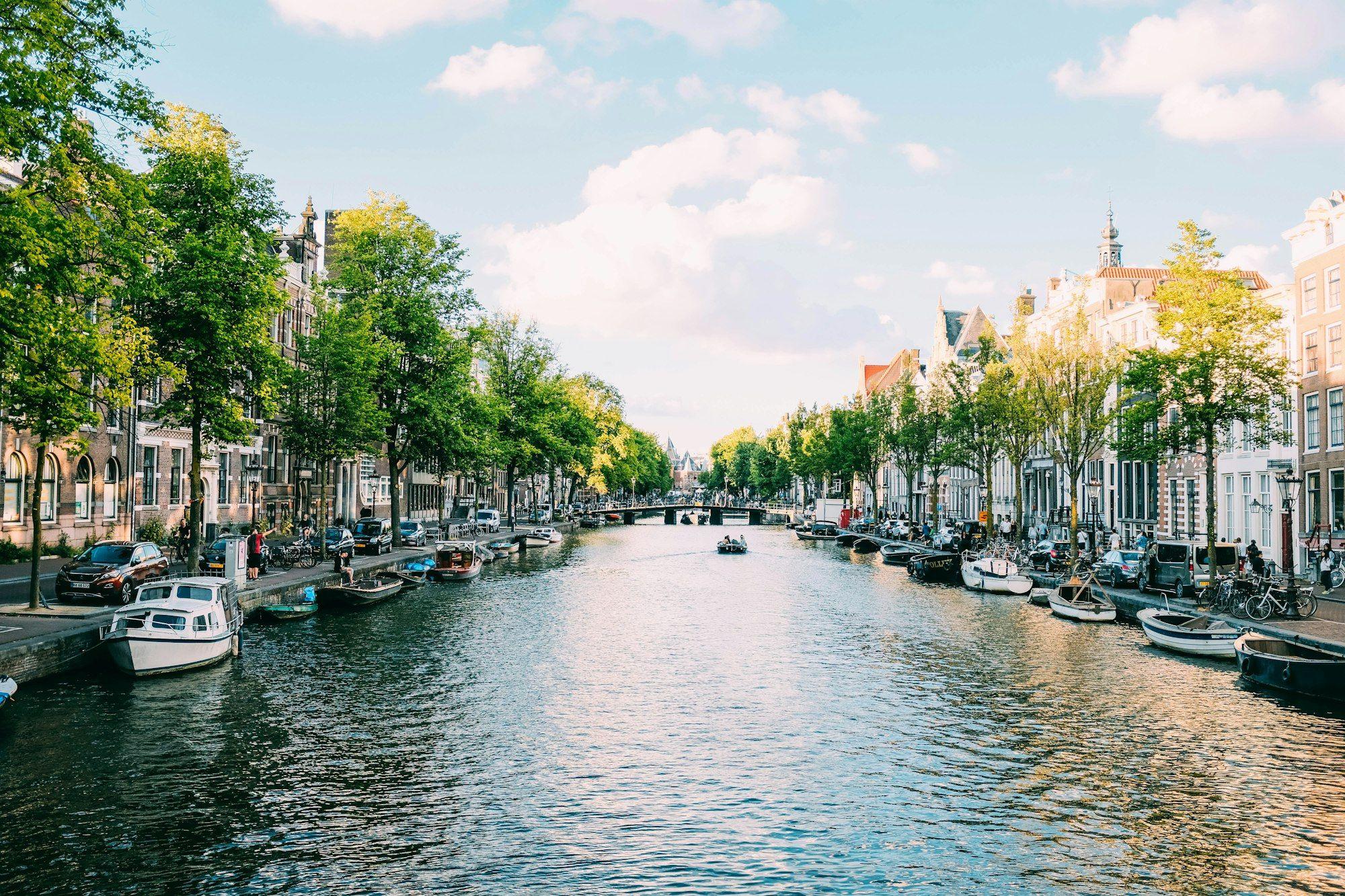
5. Cycling culture, most bike-friendly country globally
Netherlands is world's most bike-friendly country. Over 35,000 km of dedicated cycling paths (most extensive network globally). 27% of all trips by bicycle (highest percentage worldwide).
Exceptional cycling infrastructure: separated bike lanes everywhere, bike traffic lights, bike parking, bike-friendly urban planning. Safe, convenient, healthy, sustainable transportation. Cycling integral to Dutch lifestyle. Cities designed around bikes, not cars. Amsterdam alone has more bikes than residents.
6. Progressive values and social tolerance
Netherlands globally known for progressive social policies and tolerance: first country to legalize same-sex marriage (2001), progressive drug policy (coffeeshops, harm reduction approach), euthanasia legal (2002, first in world), sex work legal and regulated, LGBTQ+ rights strongly protected, multicultural society, religious freedom.
Liberal democracy with strong individual freedoms. Amsterdam Pride major annual event. Tolerant, open-minded society welcoming diversity.
7. Comprehensive social security and welfare state
Strong social security system: universal healthcare (mandatory insurance but heavily regulated and subsidized), excellent unemployment benefits (WW, Werkloosheidswet), disability insurance, state pension (AOW), child benefits, housing allowances. Comprehensive safety net ensures security throughout lifetime. Dutch "polder model" balances market economy with strong social protections. Quality social services accessible to all residents.
8. World-class education system, free or low-cost through university
Excellent education system. Free primary and secondary education. University tuition very low for EU citizens (approximately €2,300/year for Dutch/EU students vs. €10,000-€20,000+ for non-EU international students).
Top universities: University of Amsterdam, Delft University of Technology, Utrecht University, Leiden University (oldest in Netherlands, 1575), Erasmus University Rotterdam. Many programs taught in English (Netherlands has most English-taught programs in continental Europe). High educational quality, international focus.
9. Universal healthcare, high quality and accessible
Mandatory health insurance system with universal coverage. All residents must have basic health insurance (basisverzekering) but government regulates insurers, subsidizes low-income individuals.
High-quality healthcare, excellent hospitals, well-trained medical professionals. Preventative care emphasized. Healthy life expectancy among world's highest (over 81 years). Healthcare access based on residence and insurance, affordable for all income levels.
10. Strategic location, gateway to Europe
Netherlands strategically positioned in heart of Western Europe. Borders Germany and Belgium. Amsterdam Schiphol Airport major European hub. Rotterdam Port largest port in Europe, second-largest globally. Excellent connectivity throughout Europe (high-speed rail to Paris, Brussels, London, Frankfurt, etc.).
Central location ideal for business accessing European markets. Gateway between United Kingdom, Scandinavia, Germany, France, and beyond.
11. Innovation and technology leadership
Netherlands global leader in: agriculture technology (second-largest agricultural exporter globally despite small size, vertical farming, greenhouse innovation, precision agriculture), water management (world leader, much of Netherlands below sea level, Delta Works, innovative flood control), logistics and trade (Rotterdam Port, Schiphol Airport), technology sector (ASML, world's only producer of extreme ultraviolet lithography machines for advanced semiconductors, Philips, etc.), fintech and startups. Strong innovation ecosystem, excellent R&D infrastructure.
12. Multilingual environment, excellent English proficiency
Netherlands ranks #1 globally for English proficiency among non-native English speaking countries (EF English Proficiency Index). Nearly all Dutch speak excellent English, especially younger generations and in cities. Services widely available in English.
International companies use English as working language. Easy integration for English speakers while learning Dutch. Additionally, many Dutch speak German, French, or other languages. Highly multilingual population facilitates international business and living.
13. Work-life balance and labor protection
Strong labor protections, excellent work-life balance. Typically 36-40 hour work week. Minimum 20 days paid vacation annually (many receive 25+ days). Part-time work common and protected (Netherlands has highest percentage of part-time workers in EU, culturally accepted and legally protected). Generous parental leave. Strong unions. Flexible work arrangements (remote work widely accepted). Productivity emphasized over hours worked. Dutch leave office on time and value personal life.
14. Safe and peaceful environment
Netherlands among world's safest countries. Low violent crime rates. Safe streets, safe cities. Professional police force. Low corruption (ranks top 10 globally on Corruption Perceptions Index). High institutional trust. Stable democracy since 1848. Civil liberties strongly protected. Safe environment for families, children walk/bike independently from young age.
15. Cultural richness, Golden Age heritage
Deep cultural heritage: Dutch Golden Age (17th century, Rembrandt, Vermeer, Dutch Master paintings), world-class museums (Rijksmuseum, Van Gogh Museum, Mauritshuis), architecture (canal houses Amsterdam UNESCO heritage, modern architecture Rotterdam), design (Dutch Design), philosophy and literature. Rich artistic traditions, thriving contemporary arts scene. Amsterdam, Rotterdam, Utrecht vibrant cultural centers.
16. Flat hierarchy and directness
Dutch culture known for flat organizational hierarchies and direct communication. "Doe maar gewoon" (just act normal) cultural principle values pragmatism over pretension. Direct, honest communication appreciated. Egalitarian society, minimal social hierarchies, bosses accessible. Consensus-oriented decision-making ("polder model" of consultation and compromise). Cultural norms different from Anglo-American indirectness, Dutch say what they mean, value efficiency and honesty.
17. Strong economy, competitive and prosperous
High GDP per capita (over $60,000). Advanced economy based on: international trade and logistics (Rotterdam Port, Amsterdam Airport Schiphol), agriculture and food processing, technology and innovation, financial services (Amsterdam financial center), energy sector (Shell, energy trading), creative industries. Competitive salaries especially in Amsterdam/Randstad region. Low unemployment. Stable economy, AAA credit rating.
18. Water management expertise and Delta Works
Netherlands world-renowned for water management expertise. 26% of Netherlands below sea level, yet Dutch mastered living with water through engineering marvels: Delta Works (largest flood protection system globally, considered one of Seven Wonders of Modern World), extensive dike systems, polders (reclaimed land), innovative pumping stations. Dutch water engineers export expertise globally. Living below sea level made possible through human ingenuity. Unique relationship with water defines Dutch culture and innovation.
19. Compact and well-connected country
Netherlands remarkably compact, you can cross entire country in few hours. Excellent public transportation: extensive train network (NS, Nederlandse Spoorwegen), regional buses, metros in Amsterdam/Rotterdam/The Hague, trams. High-speed rail connects major cities in minutes (Amsterdam to Rotterdam 40 minutes). Everything easily accessible. Despite small size, Netherlands punches far above weight economically, culturally, politically. Urban planning excellent, infrastructure world-class.
20. Family legacy and generational wealth
Pass Dutch citizenship to your children and all future generations. Dutch citizenship hereditary, your descendants inherit EU citizenship, exceptional quality of life, social security, world-class education and healthcare access. Long-term investment in family prosperity. Ensure children have Dutch/European opportunities throughout life.
Eligibility, pathways based on Dutch ancestry
The Netherlands offers several routes to citizenship for those with Dutch heritage:
Pathway 1: Citizenship by descent, Dutch parent
✓ Parent was Dutch citizen at your birth: If either parent was Dutch citizen when you were born (regardless of where you were born), you have automatic claim to Dutch citizenship by descent.
✓ Applies regardless of birthplace: Born in Netherlands, United States, Canada, South Africa, Australia, Indonesia, anywhere, location irrelevant if parent was Dutch citizen.
✓ Parent's current status may matter: Unlike some countries, whether parent kept Dutch citizenship can affect your status under Dutch law, but generally if parent was Dutch citizen at time of your birth, you acquired Dutch citizenship automatically.
✓ Married parents: If parents married when you were born, automatic Dutch citizenship if either parent Dutch citizen.
✓ Unmarried parents:
Mother Dutch: Automatic Dutch citizenship from birth
Father Dutch: Automatic Dutch citizenship if paternity established (by acknowledgment, court decision, or parents' subsequent marriage before you turn 18)
✓ Born before 1985 to Dutch mother, non-Dutch father (married): Historical discrimination, before January 1, 1985, children born to Dutch mother and foreign father (married parents) didn't automatically acquire Dutch citizenship. Special provision: Those born before 1985 in this situation can acquire Dutch citizenship through option procedure (simplified process).
Key advantage: Parent connection most straightforward pathway. Proving parent's Dutch citizenship at your birth establishes automatic claim.
Pathway 2: Born in Netherlands, very limited jus soli
✓ Born in Netherlands and would be stateless: If you were born in Netherlands and would otherwise be stateless (parents have no citizenship or unknown citizenship), you acquire Dutch citizenship.
Important note: Netherlands does NOT have general birthright citizenship (jus soli). Simply being born in Netherlands doesn't automatically grant citizenship unless statelessness exception applies. Parent connection typically required.
Pathway 3: Former Dutch citizens, option procedure
✓ Previously held Dutch citizenship but lost it: If you were Dutch citizen but lost citizenship (various circumstances), you may be able to re-acquire Dutch citizenship through option procedure (optie, simplified acquisition process, not full naturalization).
Circumstances allowing option procedure:
Born before January 1, 1985 to Dutch mother and non-Dutch father (married), automatic eligibility
Lost Dutch citizenship as minor because parent lost citizenship
Lost Dutch citizenship by acquiring foreign citizenship before current law
Other specific circumstances where Dutch citizenship lost involuntarily or through previous law
Important distinction, dual citizenship considerations:
Option procedure generally allows re-acquisition without requiring renunciation of current citizenship (more flexible than naturalization)
Specific rules vary by circumstance and when/how citizenship was lost
Post-2023 reforms more permissive
This is significant pathway for diaspora affected by historical citizenship loss.
Important: Netherlands does NOT have robust grandparent-based citizenship pathway. Generally requires proving your parent was Dutch citizen, not just grandparent.
Very rare exceptions: Some possibility if:
Parent died before you were born and grandparent was Dutch citizen
Parent unable to pass citizenship due to very specific legal circumstances
You were adopted with Dutch grandparent connection
Historical dual citizenship complications: Before recent reforms, Dutch citizens who acquired foreign citizenship automatically lost Dutch citizenship. If your grandparent lost Dutch citizenship before your parent's birth, your parent wasn't Dutch citizen, breaking chain.
Generally: Grandparent claims rarely viable unless parent was also Dutch citizen at some point. Netherlands prioritizes parent connection strongly.
Pathway 5: Dutch national living abroad, retention of citizenship
✓ Born abroad to Dutch parent: If you were born abroad to Dutch parent(s), you may need to register birth with Dutch authorities to retain Dutch citizenship (especially if born after certain dates). Registration requirements changed over time.
✓ Post-1985 born abroad: Those born abroad after 1985 to Dutch parent may need to have birth registered with Dutch authorities within time limits to retain Dutch citizenship (though automatic acquisition applies if properly registered).
Important: If you were born abroad to Dutch parent but birth wasn't registered with Dutch authorities, you may still have claim but need to establish it through declaration or option procedure. Consult with us on specific circumstances.
Pathway 6: Naturalization (not descent, but included for completeness)
Not ancestry-based but available if descent pathways unavailable:
Requirements:
Age 18+
Legal residence in Netherlands for 5 years continuously (3 years if married to Dutch citizen/partner, varies by circumstances)
Currently residing in Netherlands on valid residence permit
Note: Naturalization requires years of residence plus integration/language requirements, not practical for diaspora unless planning to relocate to Netherlands. Descent/option pathways preferable if eligible.
Additional considerations for all pathways:
✓ Age: Must be 18+ to apply independently (minors through parents)
✓ Clean background: No serious criminal record for most pathways
✓ Dutch language (varies by pathway):
Parent descent: NO Dutch language requirement
Option procedure (former citizen): Generally NO Dutch language requirement
Naturalization: YES, Dutch language requirement (A2 level minimum)
Dual citizenship, Netherlands' evolving policy:
Historical policy: Netherlands historically very restrictive on dual citizenship. Dutch citizens who acquired foreign citizenship automatically lost Dutch citizenship (until recent reforms). Naturalization required renouncing previous citizenship.
Current policy (as of 2026):
April 1, 2023 reform: Dutch citizens who acquire foreign citizenship NO longer automatically lose Dutch citizenship. This is major change. Current Dutch citizens can now obtain other citizenships without losing Dutch.
Acquisition of Dutch citizenship: Still generally requires renunciation of previous citizenship for naturalization, EXCEPT for specific exceptions listed above (married to Dutch citizen, born in Netherlands, refugee, etc.).
Option procedure: Generally more permissive on dual citizenship than naturalization, often allows keeping current citizenship when re-acquiring Dutch citizenship.
Ongoing reforms: Netherlands gradually moving toward accepting dual citizenship more broadly. Additional reforms under consideration to further liberalize policy. Diaspora advocacy pushing for broader dual citizenship acceptance.
Impact on diaspora: 2023 reform significant improvement. Those who re-acquire Dutch citizenship can keep their current citizenship (USA, Canadian, Australian, etc.) and won't lose Dutch citizenship if they have or acquire other citizenships in future. Situation improving for diaspora.
Family inclusion:
Minor children can be included in citizenship application (if parent acquires, children may acquire as well through simplified procedure)
Non-Dutch spouse doesn't automatically acquire citizenship but has facilitated naturalization pathway (3 years residence vs. 5 years standard)
Required Documentation
Core Personal Documents:
Valid passport
Your birth certificate (official, with apostille if from non-EU country)
Police clearance certificate (criminal background check from country of residence)
Passport photos (Dutch specifications, 35x45mm)
Proof of current citizenship
Parent Connection Documentation:
To prove parent was Dutch citizen at your birth:
Parent's Dutch passport from around time of your birth (strongest evidence)
Parent's Dutch birth certificate (if born in Netherlands)
Parent's Dutch BSN (Burgerservicenummer), Dutch citizen service number if available
Parent's Dutch nationality certificate (verklaring van het Nederlanderschap) if available
Your birth certificate showing parent's information
Parents' marriage certificate (if applicable)
Historical documents if parent from earlier era:
Dutch population register extracts (Gemeentelijke Basisadministratie persoonsgegevens, GBA)
Dutch church records (for those born before civil registration modernized)
Dutch military records (if applicable, Dutch conscription existed until 1996)
Evidence of parent's Dutch citizenship status at time of your birth (critical, most grandparent claims fail here)
If parent lost Dutch citizenship: documentation of when/why
Your documents:
Your birth certificate
Complete family tree showing citizenship transmission
Challenge: Netherlands doesn't have generous grandparent provisions. Nearly impossible unless parent was Dutch citizen at your birth.
Option procedure (former citizen) documentation:
Critical pathway for many diaspora:
Proof of previous Dutch citizenship (old Dutch passport, nationality certificate, GBA records)
Documentation of how/when citizenship was lost (foreign naturalization certificate, parent's citizenship loss if you lost as child)
Evidence you held Dutch citizenship at some point
Documentation showing you fall under option procedure eligibility
If born before 1985 to Dutch mother and non-Dutch father (married): Evidence of mother's Dutch citizenship and parents' marriage (special provision for this group)
Dutch emigration and genealogical records:
Netherlands has good genealogical resources. Key sources:
Dutch emigrant databases:
Central Bureau of Genealogy (CBG): The Hague, major genealogical research center
National Archives (Nationaal Archief): The Hague, historical records
Regional Archives: Throughout Netherlands (Amsterdam Stadsarchief, Rotterdam Stadsarchief, etc.)
Emigration records: Ship passenger lists, especially post-WWII government-sponsored emigration programs to Canada, Australia, New Zealand, South Africa
Dutch civil registration (Burgerlijke Stand):
Birth, marriage, death records maintained by municipalities
Centralized for those born after 1970s through GBA (Gemeentelijke Basisadministratie)
Historical records at municipal and regional archives
Dutch civil registration generally good quality from early 1800s
Dutch population registers:
GBA (Gemeentelijke Basisadministratie persoonsgegevens), municipal population administration
Modern system tracks all Dutch residents
Historical population registers at municipal level
Very useful for tracking Dutch ancestors
Dutch church records:
For those born before modern civil registration
Protestant (Dutch Reformed Church, largest), Catholic, other denominations
Available through archives, FamilySearch, other genealogical services
Post-WWII emigration records:
Dutch government actively encouraged and facilitated emigration 1945-1970s
Well-documented emigration programs to Canada, Australia, New Zealand, South Africa
Records at National Archives, regional archives, destination country immigration records
Authentication:
Non-Dutch documents must be apostilled (from Hague Convention countries) or legalized through Dutch embassy
Official translations to Dutch by sworn translator (beëdigd vertaler)
Notarization of certain documents may be required
Original documents or certified copies required
Application submission:
From abroad: Through Dutch embassy/consulate in your country (most common for diaspora) or directly to Immigration and Naturalisation Service (IND, Immigratie- en Naturalisatiedienst)
From Netherlands: Directly to IND or through municipality
Online component: Some forms available through IND website, though often physical submission required
Contact us for confidential consultation. Dutch citizenship pathways require careful evaluation due to complex dual citizenship regulations and different pathway requirements:
Determine your exact eligibility (parent descent, option procedure as former citizen, rare grandparent possibility)
Assess documentation availability
Critical analysis: Dual citizenship implications for your specific situation
Identify whether you ever held Dutch citizenship (option procedure eligibility)
Evaluate impact of historical citizenship loss on your family line
Assess post-2023 reforms and how they benefit your case
Determine whether you qualify under special provisions (born before 1985 to Dutch mother and non-Dutch father)
Realistic timeline and requirements
Strategic planning for dual citizenship retention
Critical assessment: We identify your optimal pathway. Many diaspora scenarios:
Parent was Dutch citizen at your birth: Straightforward descent claim
You were Dutch citizen but lost it: Option procedure likely available (favorable for dual citizenship)
Born before 1985 to Dutch mother, non-Dutch father (married): Special option procedure eligibility
Common scenario: Grandparent emigrated to Canada/Australia/South Africa/USA (1945-1970s post-WWII emigration), naturalized as Canadian/Australian/South African/American, may have lost Dutch citizenship → parent born after grandparent's naturalization likely NOT Dutch citizen → you can't claim through parent UNLESS you qualify through option procedure as former citizen or special provisions.
We provide honest evaluation of your case strength and dual citizenship implications.
Step 2: Dutch archival & genealogical research (Months 1-5)
Research in Netherlands' genealogical archives:
In Netherlands:
National Archives (Nationaal Archief): The Hague, central archives with historical records
Central Bureau of Genealogy (CBG): The Hague, genealogical research center
Regional Archives: Amsterdam Stadsarchief, Rotterdam Gemeentearchief, Utrecht Het Utrechts Archief, etc.
Municipal archives: Each municipality maintains civil registration records
GBA (Gemeentelijke Basisadministratie): Modern population register
IND records: Immigration and Naturalisation Service citizenship records
Emigration research:
Post-WWII emigration programs: Well-documented Dutch government-sponsored emigration to Canada, Australia, New Zealand, South Africa (1945-1970s)
Ship passenger lists: Especially Rotterdam port (major departure point)
Destination records: Canadian immigration records, Australian immigration records, South African immigration records, Ellis Island (USA)
Dutch emigration societies: Records from organizations facilitating emigration
Diaspora research:
Dutch-American archives
Dutch-Canadian archives (especially Western Canada, Alberta, British Columbia, Ontario)
Dutch-Australian archives (especially post-WWII "Ten Pound Poms" equivalent for Dutch)
Dutch-South African archives (Afrikaner heritage, though distinct from post-WWII Dutch emigration)
Dutch Reformed Church records in diaspora
Dutch cultural organizations (Dutch clubs, societies)
We have researchers throughout Netherlands and connections to Dutch diaspora archives in Canada, Australia, South Africa, USA.
Step 3: Citizenship status analysis (Months 2-4)
Critical specialized work: Analyzing your Dutch citizenship status and optimal pathway:
Timeline construction: When grandparent born (Dutch citizen) → when grandparent emigrated → when grandparent naturalized in foreign country (lost Dutch citizenship?) → when parent born (Dutch citizen or not?) → when you born (Dutch citizen or not?) → current citizenship status
Foreign naturalization records research: Canada, Australia, South Africa, USA naturalization records to determine when/if Dutch ancestor naturalized and potentially lost Dutch citizenship
Dutch citizenship law historical analysis: Dutch citizenship law changed multiple times (major changes: 1892, 1985, 2003, 2023). Which laws applied when to your family?
Option procedure vs. descent: Determining whether you qualify through automatic descent or need option procedure (former citizen) or special provisions (pre-1985 Dutch mother cases)
Dual citizenship strategy: Post-2023 reforms favorable, Dutch citizens won't lose Dutch citizenship by acquiring other citizenship. If acquiring Dutch through option procedure, generally can keep current citizenship. We plan strategy to retain both.
This specialized analysis determines pathway and dual citizenship viability.
Step 4: Foreign document collection (Months 1-3)
Simultaneously, gather documents from your country:
Your personal documents (birth, marriage certificates)
Parents'/grandparents' documents
Any Dutch documents family preserved (critical, old Dutch passports, nationality certificates, GBA extracts, emigration papers, letters from Netherlands)
Immigration/naturalization records (from Canada, Australia, South Africa, USA, showing when ancestor emigrated and naturalized)
Dutch church records from diaspora (Dutch Reformed churches in Canada, Australia, South Africa, USA)
Post-WWII emigration program documents (if applicable)
Receive citizenship decision from IND or municipality
Official Dutch nationality certificate (verklaring van het Nederlanderschap) issued
Registered in Dutch population register (GBA), assigned Dutch BSN (Burgerservicenummer, Dutch citizen service number, 9 digits, critical for all Dutch services)
Welcome letter from Dutch authorities
Step 10: Dutch passport & ID card (Month 24-25)
With nationality certificate and BSN, apply for Dutch documents:
Total government/document costs: €400-€1,500 ($430-$1,600)
Additional Costs (variable):
Translation to Dutch: $1,000-$2,500 (depending on document volume)
Apostille services multiple countries: $200-$500
Foreign naturalization records research: $300-$800
Post-WWII emigration records research: $200-$500
Total Investment: $30,000 - $41,000 for complete service from consultation to Dutch passport
Why This Investment Makes Sense:
Dutch citizenship is fullEU citizenshipfrom founding member, one of world's most valuable citizenships (top 3-5 passport, exceptional quality of life, freedom throughout 27 EU countries)
Netherlands' complex and evolving dual citizenship regulations require expert navigation, critical to avoid inadvertent citizenship loss or application errors
2023 reforms favorable but policy still evolving, expert guidance essential to leverage improvements
Post-WWII emigration (500,000+ Dutch emigrants 1945-1970s) means extensive diaspora but also complex citizenship situations requiring specialized knowledge
Dutch genealogical records generally good but dispersed across municipal archives, specialized knowledge needed
Language expertise required (Dutch, historical Dutch, English)
Long processing timeline (15-30 months), professional management essential
Dutch quality of life (#1 English proficiency, cycling culture, progressive values, central European location) worth significant investment
Success depends on understanding complex citizenship law and choosing optimal pathway (descent vs. option procedure)
Need to research foreign naturalization records (when did ancestor naturalize and what were Dutch citizenship implications?)
Post-WWII emigration scale and complexity (government-sponsored programs well-documented but require specialized research)
Municipal archive dispersal (records spread across hundreds of Dutch municipalities)
High-value outcome (top-tier passport, full EU rights, exceptional quality of life, central European location)
Dutch legal system complexity (civil law system, specific procedural requirements)
Why choose CitizenX for Dutch citizenship
Dutch heritage specialists: Deep expertise in Dutch citizenship law, emigration history, and complex dual citizenship regulations. Understanding of post-WWII emigration programs to Canada, Australia, New Zealand, South Africa, and earlier emigration to USA, Indonesia.
Dual citizenship policy experts (critical): Specialized knowledge of Netherlands' complex and evolving dual citizenship policies. Expert understanding of April 2023 reforms and ongoing policy changes. Critical for navigating what's permitted and ensuring you don't inadvertently lose Dutch citizenship.
Option procedure specialists: Expert knowledge of option procedure (optie) for former Dutch citizens, this simplified pathway critical for many diaspora who lost citizenship or whose parents did. We maximize chances of successful option procedure vs. full naturalization.
Post-WWII emigration specialists: Deep knowledge of Dutch government-sponsored emigration programs (1945-1970s) to Canada, Australia, New Zealand, South Africa. Understanding why Dutch government encouraged emigration (population pressure, post-war reconstruction), how programs worked, where emigrants went, how citizenship was affected.
Dutch genealogical archives access: Established connections to Nationaal Archief (National Archives), CBG (Central Bureau of Genealogy), municipal archives throughout Netherlands (Amsterdam, Rotterdam, Utrecht, The Hague, etc.), GBA (population register). Dutch records generally good quality from early 1800s civil registration.
Municipal archive expertise: Netherlands has hundreds of municipalities, each maintaining civil registration records. We know how to navigate decentralized Dutch archive system, which municipality to contact for which records, how to obtain historical documents.
Emigration database specialists: Expert use of Dutch emigration records, especially post-WWII programs, ship passenger lists (Rotterdam port primarily), destination country immigration records.
Dutch diaspora archive connections: Relationships with Dutch-Canadian archives (especially Western Canada, significant Dutch post-WWII settlement), Dutch-Australian archives (major post-WWII destination), Dutch-South African archives, Dutch-American archives, Dutch cultural organizations worldwide.
Foreign naturalization records research: Specialized capability researching Canada, Australia, South Africa, USA, New Zealand naturalization records to determine when/if Dutch ancestor naturalized and Dutch citizenship implications under law at that time.
Dutch citizenship law historical analysis: Expert knowledge of Dutch citizenship laws across multiple eras (major reforms: 1892, 1985, 2003, 2023). Understanding which laws applied when to your family essential for complex cases spanning over a century.
Pre-1985 Dutch mother cases: Specialized knowledge of special provision for those born before 1985 to Dutch mother and non-Dutch father (married parents), historical gender discrimination now remedied through option procedure. We help eligible individuals leverage this provision.
Bilingual capabilities: Dutch and English fluency. Essential for navigating Dutch archives, translating documents, communicating with Dutch authorities (IND, municipalities).
On-ground presence in Netherlands: Partners in Amsterdam, The Hague, Rotterdam, and throughout Netherlands to access IND offices, municipal offices, archives, assist with passport applications, GBA registration.
BSN system expertise: Understanding Netherlands' citizen service number system (BSN, Burgerservicenummer) critical for Dutch services. We help you obtain and use BSN after citizenship granted. Essential for banking, healthcare, DigiD, everything in Netherlands.
Dutch culture understanding: Knowledge of Dutch cultural values (directness, "doe maar gewoon" pragmatism, flat hierarchies, gezelligheid, cycling culture) helps diaspora understand what they're gaining beyond passport. Dutch culture distinct and valued.
EU citizenship maximization: Strategic guidance on using Dutch citizenship for maximum EU benefit (where to live/work in EU, leveraging central European location, Netherlands as gateway to Europe).
Dutch diaspora community knowledge: Understanding of major Dutch communities in Canada (especially Western Canada, Ontario), Australia (especially post-WWII "New Dutch" vs. earlier Dutch), South Africa (post-WWII Dutch vs. earlier Afrikaner), USA (Michigan, Iowa, California, earlier emigration), cultural preservation efforts.
Start your Dutch citizenship journey
Dutch citizenship is one of the world's most valuable, combining top-tier passport (193+ countries visa-free), full EU citizenship from founding member (live/work anywhere in 27 countries), and exceptional quality of life in country known for cycling culture, progressive values, innovation, and tolerance.
The 2023 dual citizenship reforms created improvements for diaspora, with Netherlands gradually moving toward accepting dual citizenship after decades of restrictive policy. Whether your family emigrated through post-WWII programs to Canada or Australia, departed for South Africa, left for United States seeking opportunities, or relocated more recently, Netherlands offers pathways for diaspora reconnection.
Why Dutch citizenship makes sense:
Top 3-5 passport globally (193+ visa-free countries)
Full EU citizenship from founding member (European Economic Community 1957, exceptional European integration)
#1 English proficiency globally (among non-native speakers, easiest continental European country for English speakers)
World's most bike-friendly country (35,000 km cycling paths, cycling culture, sustainable transportation)
Progressive values and tolerance (first same-sex marriage 2001, individual freedoms, social tolerance)
Exceptional quality of life (consistently top 5 globally, work-life balance, social security)
Strategic central European location (gateway to Europe, Amsterdam/Rotterdam/Schiphol hub)
Innovation leadership (ASML semiconductors, agriculture technology, water management expertise)
Strong economy and competitive salaries (especially Randstad region, Amsterdam, Rotterdam, The Hague, Utrecht)
Compact and well-connected (excellent public transportation, can cross country in hours, high-speed rail to major European cities)
Cultural richness (Dutch Golden Age heritage, world-class museums, architecture, design)
Pass to children (future generations inherit EU citizenship and exceptional quality of life)
The Dutch diaspora: Estimated 5-6 million people of Dutch descent live outside Netherlands, primarily in United States (5+ million Dutch Americans, especially Michigan, Iowa, Wisconsin, California, Washington), Canada (1+ million Dutch Canadians, especially Western Canada, Alberta, British Columbia, Ontario, major post-WWII destination), Australia (500,000+ Dutch Australians, major post-WWII destination), South Africa (100,000+ post-WWII Dutch emigrants, distinct from earlier Afrikaner), New Zealand (100,000+), Indonesia (historical colonial connection). Post-WWII emigration (1945-1970s) particularly significant, over 500,000 Dutch emigrated through government-sponsored programs.
Critical consideration, dual citizenship reforms: Netherlands historically very restrictive on dual citizenship. April 2023 reform significant improvement: Dutch citizens who acquire foreign citizenship no longer automatically lose Dutch citizenship. This is major change. For diaspora seeking to acquire Dutch citizenship, option procedure generally more permissive on dual citizenship than naturalization. Situation improving, and further reforms under consideration. We help navigate complex regulations and leverage favorable provisions.
Take action now: Contact CitizenX for a free preliminary assessment. We'll evaluate your Dutch heritage, analyze dual citizenship implications, determine optimal pathway (descent vs. option procedure), assess impact of historical citizenship laws on your family line, and provide honest feedback on eligibility within one week.
193+ visa-free countries. Full EU citizenship. #1 English proficiency. Most bike-friendly country. Progressive values. 2023 reforms favorable.
Frequently Asked Questions
What are the 2023 dual citizenship reforms and how do they help me?
April 1, 2023 reform changed major rule: Dutch citizens who acquire foreign citizenship NO longer automatically lose Dutch citizenship. Before 2023, if you were Dutch citizen and naturalized as American/Canadian/Australian, you automatically lost Dutch citizenship. This no longer happens. Benefits for diaspora: (1) If you acquire Dutch citizenship, you can later obtain other citizenships without losing Dutch, (2) Current policy more favorable to dual citizenship generally, (3) Further reforms under consideration to liberalize policy more. Netherlands moving in right direction after decades of strict single-citizenship policy.
What if I acquire Dutch citizenship, can I keep my US/Canadian/Australian citizenship?
Depends on pathway:
Option procedure (former citizen): Generally YES, you can keep current citizenship. Option procedure more permissive on dual citizenship than naturalization.
Descent (parent was Dutch citizen): If you're claiming citizenship you always had (automatic from birth), dual citizenship not issue, you're just establishing/documenting existing Dutch citizenship.
Naturalization (residence-based): Generally must renounce previous citizenship UNLESS exceptions apply (married to Dutch citizen, born in Netherlands, refugee, etc.). Most diaspora wouldn't use naturalization pathway.
Bottom line: Most diaspora pathways (option procedure, descent) allow keeping current citizenship. Post-2023, even if you acquire Dutch citizenship and later want another, you won't lose Dutch.
What if my grandparent emigrated to Canada or Australia after WWII?
Very common scenario. Post-WWII Dutch government encouraged emigration (population pressure, post-war reconstruction). Over 500,000 Dutch emigrated 1945-1970s to Canada, Australia, New Zealand, South Africa through government programs. Citizenship implications: If your grandparent naturalized as Canadian/Australian before your parent's birth, your parent likely was NOT Dutch citizen (grandparent lost Dutch citizenship by naturalizing under old law), so you can't claim through parent. However, check option procedure: If you were born in Netherlands or had Dutch citizenship briefly as child, you may qualify for option procedure (former citizen). We assess your specific situation.
I was born before 1985 to a Dutch mother and non-Dutch father (married), what does this mean?
Special provision for you! Before January 1, 1985, Dutch citizenship law discriminated based on gender, children born to Dutch mother and foreign father (married parents) didn't automatically acquire Dutch citizenship (but children of Dutch father did). This was gender discrimination. Current law remedies this: Those born before 1985 in this situation can acquire Dutch citizenship through option procedure, simplified process, NO language requirement, generally allows keeping current citizenship. This is favorable pathway. If this describes you, you have strong claim.
Do I need to speak Dutch?
For parent descent: NO Dutch language requirement.
For option procedure (former citizen): Generally NO Dutch language requirement, major advantage.
For naturalization (residence-based): YES, Dutch language requirement (A2 level minimum through integration exam). Also must pass civic integration examination.
Dutch language: Germanic language, similar to German/English. Three extra vowels (Dutch doesn't have extra letters like Danish, but pronunciation tricky). However, since Netherlands ranks #1 globally for English proficiency among non-native speakers, you can function entirely in English in Netherlands while learning Dutch gradually. For citizenship by descent or option procedure, language not barrier.
How do I prove my Dutch heritage if we lost all documents?
Netherlands has good genealogical records. We can usually locate documents through:
National Archives (Nationaal Archief) and regional archives
Municipal archives (each municipality maintains civil registration from early 1800s)
Central Bureau of Genealogy (CBG)
GBA (Gemeentelijke Basisadministratie) population register
Dutch church records (for pre-civil registration period)
Post-WWII emigration program records (well-documented)
Ship passenger lists (especially Rotterdam port)
Even if family lost documents, Dutch archives often have records. Civil registration generally good quality from early 1800s.
Can my children get Dutch citizenship?
Yes. If you're Dutch citizen when your children are born, they automatically acquire Dutch citizenship by descent (regardless of where they're born). If you obtain citizenship after your children are born, they may be able to acquire through simplified procedure. Dutch citizenship hereditary, passes to all future generations.
What is the difference between option procedure and naturalization?
Option procedure (optie):
Simplified acquisition for specific categories (former Dutch citizens, pre-1985 Dutch mother cases, etc.)
Generally NO Dutch language requirement
Generally more permissive on dual citizenship
Lower fees (€195 vs. €985)
Faster processing often
More favorable for diaspora
Naturalization (naturalisatie):
Standard process for foreign residents in Netherlands
Requires 5 years residence (3 if married to Dutch citizen)
Requires Dutch language proficiency (A2) and civic integration exam
Generally requires renouncing previous citizenship (with exceptions)
Higher fees (€985)
More stringent requirements
Most diaspora use option procedure or descent, NOT naturalization.
How much does it cost to live in Netherlands?
Netherlands has relatively high living costs:
Amsterdam: Rent €1,500-€2,500+ for apartment, expensive capital
Rotterdam, The Hague, Utrecht: Rent €1,200-€2,000
Smaller cities: Rent €800-€1,500
However: (1) High salaries compensate (average €45,000-€55,000+, higher in Randstad), (2) Excellent public transportation reduces car costs, (3) Cycling culture reduces transportation costs, (4) Healthcare affordable through regulated insurance system, (5) Quality of life excellent. Many find Dutch quality of life worth costs. Can also use Dutch citizenship to live in more affordable EU countries (Portugal, Spain, Eastern Europe, etc.).
What about Dutch taxes?
Simply becoming Dutch citizen doesn't trigger Dutch tax residency. Tax obligations depend on where you actually live and work. Netherlands has tax treaties with most countries to prevent double taxation. If you don't live in Netherlands, generally don't pay Dutch taxes. If you do relocate to Netherlands: progressive income tax (Box 1, income from employment/business: 9.45%-49.5%, Box 2, income from substantial shareholding: 26.9%, Box 3, income from savings and investments: deemed return taxed at 32%). Tax burden moderate to high depending on income. However, funds excellent public services, infrastructure, social security.
Can I live anywhere in Europe with Dutch citizenship?
Yes. As full EU citizen, Dutch citizens have unconditional right to live, work, study, and retire in all 27 EU member states plus Iceland, Norway, Liechtenstein, Switzerland (EEA). No work permits needed, no time limits, access to social benefits. Complete freedom of movement throughout 30+ European countries. Can establish residence anywhere in EU immediately. This is full EU citizenship from founding member.
What about cycling, do I have to bike everywhere?
Cycling not legally required but culturally central in Netherlands! 27% of all trips by bicycle (highest globally). Cities designed around bikes: separated bike lanes everywhere, bike parking abundant, bike traffic lights, safe infrastructure. Most Dutch own bikes and use them daily. Benefits: (1) Healthy transportation, (2) Cost-effective (no car needed in cities), (3) Fast for short distances, (4) Environmental, (5) Part of Dutch lifestyle and culture. If you relocate to Netherlands, expect to bike regularly, it's normal, safe, convenient, and enjoyable. Netherlands world's best cycling infrastructure makes it pleasant even for non-cyclists.
What if I can't adapt to Dutch directness?
Dutch communication style famously direct, Dutch say what they mean, value honesty over politeness, avoid unnecessary small talk. "Doe maar gewoon, dan doe je al gek genoeg" (Just act normal, that's crazy enough) cultural principle values pragmatism. Tips: (1) Don't take directness personally, it's cultural norm, not rudeness, (2) Directness enables efficiency and honesty, (3) Dutch appreciate when others are direct back, (4) Flat hierarchies mean even bosses/authority figures approachable and direct. Many internationals come to appreciate Dutch directness after adjustment. However, remember you can use Dutch citizenship to live anywhere in EU, if Dutch culture not ideal fit, can live in other EU countries while maintaining Dutch citizenship.
Application processing: 6-24 months (varies significantly by pathway and case complexity)
Passport issuance: 1-2 months
Dutch administration generally efficient but processing can be lengthy for complex cases. IND (Immigratie- en Naturalisatiedienst) handles citizenship applications. Timeline variable.
Can I vote in Dutch elections?
Yes. Dutch citizens can vote in all Dutch elections (Tweede Kamer/House of Representatives, Eerste Kamer/Senate, provincial elections, municipal elections, water board elections) regardless of where you live. Diaspora Dutch can vote at Dutch embassies/consulates or by mail. Your voice counts in Dutch democracy. Additionally, can vote in European Parliament elections.
What if my application is rejected?
Appeals possible through Dutch administrative courts. Rejection typically due to: (1) Insufficient documentation proving Dutch citizenship claim, (2) Don't meet option procedure requirements, (3) Security concerns (rare). We thoroughly pre-screen to minimize rejection risk and present strongest possible application. If rejected, we help evaluate whether to appeal, gather additional evidence, or explore alternative pathways.
Should I wait to apply or apply now?
Apply now. Netherlands undergoing favorable dual citizenship reforms (2023 changes positive, more reforms under consideration). Current moment favorable for diaspora. Additionally: (1) Older family members with oral history/memories passing away, (2) Documents deteriorating, (3) Sooner you obtain citizenship, sooner your children born afterward automatically Dutch citizens, (4) Earlier you access EU rights, central European location benefits, (5) Policy may not become more generous, leverage current favorable provisions. No advantage to waiting.
What is BSN and why is it important?
BSN (Burgerservicenummer) is Dutch citizen service number (9 digits). Every Dutch resident/citizen has unique BSN. Critical for everything in Netherlands: banking, healthcare insurance (mandatory), employment, taxes, DigiD (digital identification for government services online), contracts, everything. Without BSN, cannot function in Netherlands. When you obtain Dutch citizenship and register in GBA (population register), you're assigned BSN. We help you obtain and use it. BSN unlocks all Dutch services and systems.
Can I study in Netherlands for free or low-cost with Dutch citizenship?
Dutch/EU citizens pay much lower tuition than non-EU international students. University tuition for Dutch/EU: approximately €2,300/year (statutory tuition fee, wettelijk collegegeld) vs. €10,000-€20,000/year for non-EU international students. This is huge savings. Top universities: University of Amsterdam, Delft University of Technology (TU Delft), Utrecht University, Leiden University, Erasmus University Rotterdam, Wageningen University, University of Groningen. Many programs taught entirely in English (Netherlands has most English-taught programs in continental Europe). Additionally, Dutch students may qualify for student finance (studiefinanciering), government loan/grant. Dutch citizenship makes Netherlands' excellent universities very affordable.
What about Afrikaans and South Africa, is there a connection?
Afrikaans language developed from Dutch (17th-18th century Dutch settlers in South Africa, "Boers"). Afrikaans mutually intelligible with Dutch to some degree. However, citizenship distinction: Afrikaner heritage (descendants of Dutch/Flemish/French/German settlers in South Africa 1600s-1800s) is distinct from post-WWII Dutch emigrants to South Africa (1945-1970s). Afrikaner ancestors wouldn't convey Dutch citizenship (left Netherlands centuries ago). Post-WWII Dutch emigrants to South Africa recent enough for potential citizenship claims through normal descent/option procedures. If your family Afrikaner (centuries in South Africa), likely no Dutch citizenship claim unless more recent Dutch emigration in family line.
What about Indonesia and Dutch colonial heritage?
Netherlands had colonial presence in Dutch East Indies (Indonesia) until 1949. Many Dutch families lived in Indonesia, many Indo-Europeans (mixed Dutch-Indonesian heritage). Citizenship implications: (1) Those born in Dutch East Indies before 1949 to Dutch parents may have Dutch citizenship claims, (2) Indo-Europeans may have Dutch citizenship depending on parents' status under colonial law, (3) Indonesian independence 1949 complicated citizenship, (4) Many "repatriates" came to Netherlands 1945-1960s (including after Indonesian independence), these individuals and descendants may have Dutch citizenship claims. Complex area requiring specialized assessment based on specific family circumstances and which laws applied when.