North Macedonia offers a moderate citizenship by descent program based primarily on parent-child connection. At least one parent must have been a citizen of North Macedonia at the time of your birth for you to qualify for automatic citizenship by origin.
Key Characteristics:
Parent requirement: Parent must be North Macedonian citizen when you were born
Age 18-23 window: Special registration period for those born abroad to one Macedonian parent
Grandparents/emigrants: Facilitated naturalization available for emigrants and first-generation descendants
Dual citizenship: Permitted without restrictions
No language requirement: For citizenship by descent pathway
EU candidate status: Potential EU membership in future
North Macedonia's citizenship law is based on jus sanguinis (right of blood) with flexible provisions for the diaspora. The country allows dual citizenship without requiring renunciation of other nationalities, making it attractive for those maintaining connections to their ancestral homeland.
Historical Background: Macedonian Emigration
Ottoman Period and Early Migrations (Pre-1912)
Complex Identity Formation: Throughout the Ottoman period (15th-20th centuries), Slavic-speaking populations in the Macedonia region were known by various terms, Macedonians (regional), Bulgarians, or Macedonian-Bulgarians. Distinct Macedonian national identity emerged primarily in the 20th century, especially after WWII with creation of People's Republic of Macedonia within Yugoslavia (1945) and codification of distinct Macedonian language.
Pečalba Tradition (1880s-1920s): "Temporary economic emigration" became social custom across Macedonia, young men (pečalbari) migrated for work, initially to Greece, later to Canada, Brazil, Argentina, Turkey, and United States. Many settled permanently in host countries rather than returning.
Post-Ilinden Uprising (1903): After failure of Ilinden Uprising against Ottoman rule, thousands fled to other parts of Ottoman Empire, Bulgaria, Russia, Egypt, United States, and Canada. First major wave of political emigration.
Estimated Total (1880s-1920s): Approximately 50,000 migrants from broader Macedonia region to North America alone during this period, primarily men seeking economic opportunities.
Early U.S. and Canadian Immigration (Late 19th-Early 20th Century)
First Immigrants: Late 19th century, primarily from Bansko region (today Bulgarian Macedonia). Often educated by American missionaries, came for higher education or missionary schools.
Large Wave (Early 1900s): From border regions in north of today's Greek Macedonia, around Kastoria (Kostur), Florina (Lerin), and southwest of North Macedonia around Bitola. These areas faced Ottoman military retributions after 1903 Ilinden uprising.
Identity Classification Challenges: Until 1918, U.S. and Canadian authorities categorized immigrants as "Turks" (Ottoman Empire nationals), "Bulgarians," or "Macedonian-Bulgarians." After 1918, listed as "Yugoslavs." Precise numbers difficult to determine.
Canada vs. U.S.: Canada more attractive than U.S. due to immigration regulations and employment opportunities. Immigrants went where work available or family networks existed, U.S. and Canada often indistinguishable to emigrants.
Chicago Congress (December 1918): Approximately 200 Macedonian-Americans attended week-long congress. By great majority, delegates supported proposal for annexation to Bulgaria (reflecting pre-WWI identity). After Bulgaria lost WWI (January 1919), Macedono-Bulgarian Central Committee in U.S. sent report to Great Powers demanding Macedonia be joined to Bulgaria.
World War I to Great Depression (1918-1939)
Kingdom of Serbs, Croats, and Slovenes (1918): Region that is today North Macedonia became part of new Yugoslav state. Many Macedonians fled Serbian rule, moving to Western Europe for industrial labor, France, West Germany, Belgium, Netherlands.
U.S. Immigration Restrictions (1920s): Johnson-Reed Act (1924) imposed severe restrictions on Slavic immigration, sharply reducing flows to U.S.
Identity Shift (1920s-1930s): In U.S., many became suspicious that Macedonian Patriotic Organization (MPO, founded 1922) existed to advance Bulgaria's political interests. Some began forming smaller village-based clubs. During 1930s, following political directives, some ethnic Macedonians began identifying as "Macedonian" rather than Bulgarian.
Great Depression (1929-1939): Stalled external migration, confined many to internal displacements. Weakened diaspora ties through halted remittances.
World War II and Immediate Aftermath (1939-1950)
WWII Occupation: Macedonia divided among German, Bulgarian, and Italian zones. Significant casualties, over 25,000 Macedonian deaths from executions, forced labor, combat. Wartime blockades destroyed infrastructure, killed community leaders, severed diaspora communication.
Greek Civil War (1946-1949): Thousands of Macedonians fled, evacuated, or emigrated after failure of Democratic Army of Greece (DSE) and Communist Party. Estimated 55,000-100,000+ displaced people.
Refugees and Evacuations:
55,000+ evacuated to Romania, Soviet Union, Czechoslovakia, Poland, rest of Eastern Bloc
30,000-40,000 came to Yugoslavia, especially People's Republic of Macedonia
60,000 sent to European countries
Rest went overseas
Greek Citizenship Loss (1947): Greek government systematically stripped citizenship from those who fled, preventing return to birthplace. Many remained in Eastern Europe (Soviet Union, Poland, Hungary, Czechoslovakia) or moved to West.
People's Republic of Macedonia (1945): Established within Socialist Federal Republic of Yugoslavia. Codification of distinct Macedonian language. Consolidation of separate Macedonian national identity as state policy.
Guest Worker Era and Yugoslav Labor Migration (1950s-1980s)
Turkey Migration Program (1952-1968): Yugoslavia-Turkey agreement allowed "free" emigration of Turks. 170,000 total emigrated 1953-1968, though many Albanians and Macedonian-speaking Muslims declared themselves Turks to leave. Unlike ethnic Macedonians who preserved identity in diaspora, these migrants identified completely as Turks.
Skopje Earthquake (1963): Devastating earthquake destroyed much of capital, prompting emigration wave seeking better opportunities.
Liberalized Emigration (1960s): Yugoslavia lifted emigration restrictions mid-1960s. Hundreds of thousands of Macedonians emigrated 1960-1977, mostly economic migrants rather than political dissidents.
Primary Destinations:
Australia: Largest destination (eventually 300,000 Macedonian heritage)
Germany: Guest workers, largest European destination
Switzerland: Significant community (especially Locarno)
Sweden, Austria, Norway, France, Italy: Notable communities
Canada: Continued growth (eventually 250,000)
United States: Continued but smaller flows than earlier period
Internal Yugoslav Migration: By 1991, estimated 80,000 Macedonians living throughout Yugoslavia (primarily Serbia).
1964 Estimate: Over 580,000 Macedonian emigrants globally.
Post-Yugoslav Independence (1991-Present)
Peaceful Independence (1991): North Macedonia only Yugoslav republic to gain independence without bloodshed. Avoided interethnic conflict that ripped through region.
1999 Kosovo Crisis: Hundreds of thousands of Kosovar Albanians sought refuge in Macedonia during NATO intervention.
2001 Albanian Militia Conflict: Brief fighting between Albanian militia and government forces, came close to descending into war but resolved.
Continued Emigration (1990s-Present): Post-Yugoslav breakup, thousands continued emigrating. Primary push factors: economic opportunities in EU, joining established diaspora communities.
Recent Trends: One of sharpest depopulations in world. Young, educated professionals leaving for Western Europe (especially Germany, Austria, Switzerland).
Bulgarian Passport Route: Some Macedonians pursue Bulgarian naturalization to obtain EU passport (Bulgaria claims historical connection, disputes separate Macedonian identity, source of diplomatic tension).
Macedonian Diaspora Today (2025)
Total Global Diaspora: 1.65-2.2 million estimated (North Macedonia population: 2.0 million domestically)
Diaspora Larger Than Home Population: Approximately 350,000-700,000 citizens estimated living abroad, one of world's largest diaspora-to-population ratios.
By Region and Country:
Australia:300,000 people of Macedonian heritage
Largest Macedonian community outside Balkans
Melbourne, Sydney, Wollongong: Major concentrations
Victoria state (2001): 19,539 claiming Macedonian heritage
Over 150,000 participating in identity-affirming activities by 1990s
United States:500,000 estimated Macedonian heritage
Chicago: Historic center, established early 1900s
Detroit: Approximately 10,000 (5% of all Macedonian Americans)
New York metropolitan area: Large concentration
Northeastern states: Significant populations
57,221 identified in 2016 census
Canada:250,000 people of Macedonian heritage
Toronto:80,000-150,000, largest single Macedonian community globally
Historic immigration since early 1900s
Strong cultural institutions, Macedonian Orthodox Diocese
Europe (excluding North Macedonia):600,000+
Germany: Largest European community (guest workers, recent migrants)
Switzerland: Significant (Locarno major center)
Austria, Sweden, Norway, France, Italy: Notable communities
Serbia: 80,000 by 1991 (internal Yugoslav migration)
Identity Preservation: Diaspora predominantly self-identifies as distinct South Slavic ethnic group defined by Macedonian language and cultural traditions, separate from Bulgarians or Serbs. High retention of identity in host countries lacking Balkan geopolitical pressures.
Organizations: Over 150 diaspora organizations worldwide, including:
Macedonian Patriotic Organization (MPO): Oldest (founded 1922), focuses on preserving customs and traditions in North America
United Macedonian Diaspora (UMD): Washington D.C.-based, represents ethnic Macedonians
Macedonian Orthodox Church communities (American-Canadian Diocese)
CitizenX Services
Why Choose CitizenX for Your North Macedonian Citizenship?
Expert Guidance and Support
CitizenX excels in providing expert guidance throughout the entire application process. From the moment you begin, their team offers comprehensive, step-by-step assistance to ensure you meet all requirements seamlessly.
They simplify the complex process by clearly explaining each step, from gathering the necessary documents to understanding the investment options and associated fees.
Streamlined and Efficient Service
Efficiency is a hallmark of CitizenX. With an average processing time of just 12 weeks, they are committed to expediting your application while maintaining high standards.
Their organized approach helps minimize delays, ensuring that your journey to North Macedonian citizenship is as smooth and swift as possible.
Comprehensive Range of Services
CitizenX goes beyond just handling your application. They offer a full suite of services to enhance your experience. This includes assistance with document preparation and submission, advice on the optimal investment strategy, and continued support even after you obtain your citizenship.
CitizenX Citizenship by Descent Programs:
While CitizenX does not currently offer North Macedonia citizenship by descent services, we provide comprehensive support for multiple other EU citizenship by descent programs:
Italy Citizenship by Descent: No generational limit (through March 2025), 6 months to passport after recognition - $25,000
Czech Republic Citizenship by Descent: Available for those with Czech ancestry
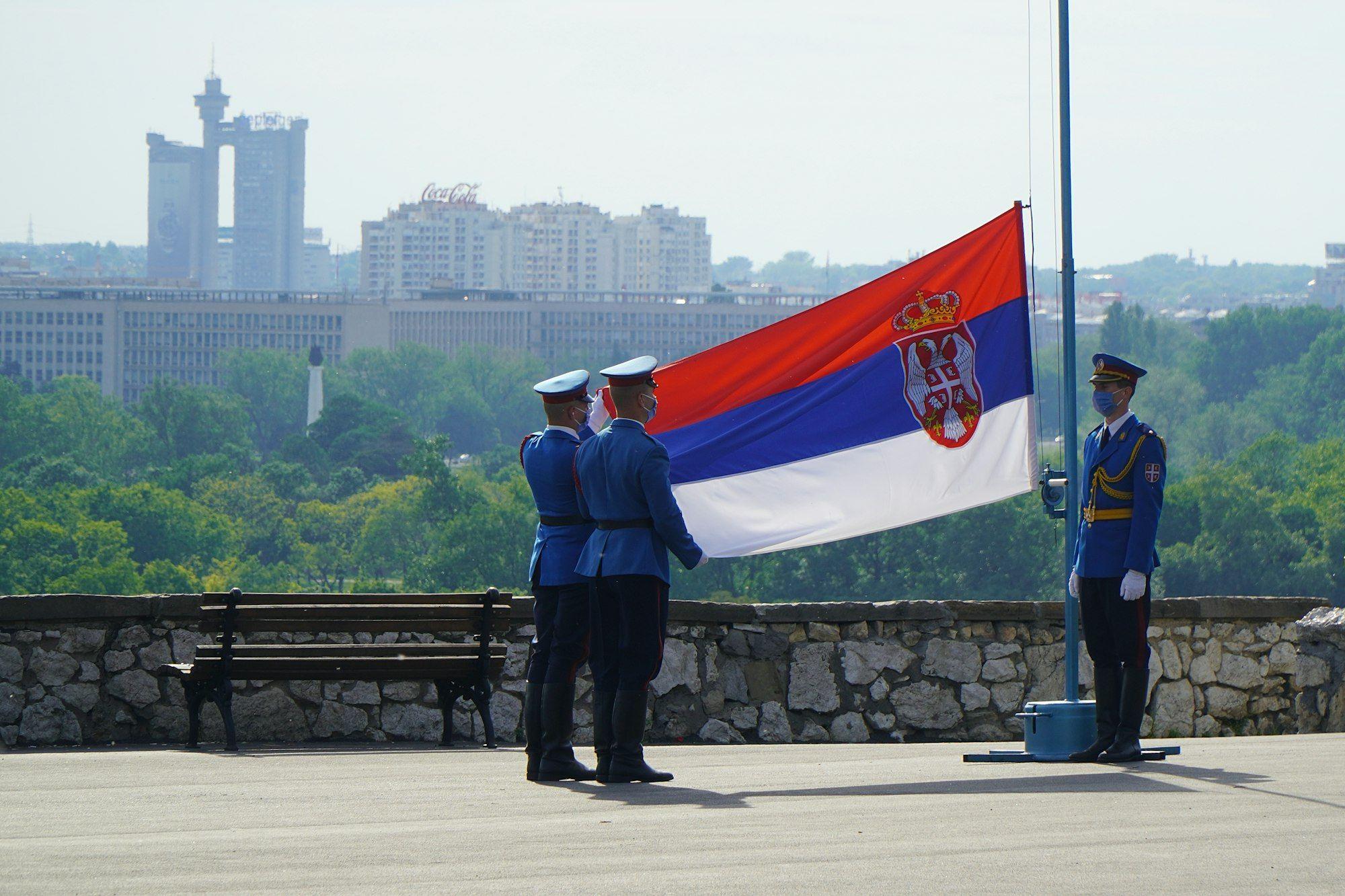
Serbia Citizenship by Descent: Emigrant pathway for ethnic Serbs
Each program has unique eligibility requirements, timelines, and benefits.
CitizenX Ancestry Research Service ($2,100):
If you're uncertain about your eligibility or want to explore multiple ancestry options, CitizenX offers an ancestry research service where their team will:
Uncover your ancestral connections across multiple countries
Assess eligibility for various citizenship by descent programs
Recommend the best jurisdictions based on your family history
Provide a clear roadmap for your citizenship journey
Timeline: 2-day initial eligibility assessment
This service is particularly valuable given the complex identity questions in the Balkans. Many Macedonians have mixed heritage (Bulgarian, Serbian, Greek, or other ancestry) that may offer additional pathways. Given historical migrations and border changes, your family may have connections to multiple countries offering citizenship programs.
For North Macedonia citizenship specifically, consider working with specialized Macedonian immigration attorneys who can assess whether you qualify under the parent-child pathway or if the facilitated emigrant naturalization route is appropriate.
Eligibility Criteria
North Macedonia's citizenship by origin follows jus sanguinis (right of blood) with relatively flexible provisions for diaspora members. The country permitsdual citizenshipwithout restrictions, making it accessible for those maintaining connections to other countries.
Direct Descent (Parent Must Be North Macedonian Citizen)
Automatic Acquisition at Birth:
Both parents were North Macedonian citizens when you were born (regardless of birthplace)
One parent was North Macedonian citizen when you were born and you were born in North Macedonia (unless parents mutually agreed child would acquire other parent's citizenship)
One parent was North Macedonian citizen when you were born, other parent unknown/stateless, and you were born abroad
Age 18-23 Registration Window:
If born abroad and one parent was North Macedonian citizen at your birth (other parent foreign), you can acquire citizenship if:
Parents submitted request to register you in citizen register before age 18, OR
You returned to live in North Macedonia with your Macedonian parent before age 18, OR
You submit application between ages 18-23 to be registered in citizen register
Critical Opportunity: If you're currently between ages 18-23 and have one Macedonian parent, you can still claim citizenship even if not registered as child.
Child Considered Citizen from Birth: Once registered, child considered North Macedonian citizen from moment of birth.
Adoption
Adopted child acquires North Macedonian citizenship by origin if:
Both adoptive parents are North Macedonian citizens, OR
One adoptive parent is North Macedonian citizen (in case of full adoption)
Birth on Territory
Child born or found in North Macedonia whose parents are unknown, with unknown citizenship, or stateless, acquires North Macedonian citizenship.
Emigrants and First-Generation Descendants
Facilitated Naturalization Pathway:
North Macedonia allows emigrants and first-generation descendants to acquire citizenship through facilitated naturalization without meeting standard requirements.
Definition of "Emigrant": Citizen of North Macedonia who moved out of the country to another country, regardless of gender, race, skin color, national/social background, political/religious beliefs, property, or social status.
Key Advantages:
NO knowledge of Macedonian language required (waived for emigrants/first generation)
NO standard 7-year residence requirement
More streamlined process than regular naturalization
First-Generation Descendants: Children of emigrants can qualify for this pathway even if born abroad.
Important Note: This is facilitated naturalization, not automatic citizenship by descent. Application and approval process still required, but major requirements waived.
Standard Naturalization (For Those Without Parent/Emigrant Connection)
If no parent connection or emigrant status, standard naturalization requires:
Age 18+
Lawfully and continuously resided in North Macedonia for at least 7 years before application
Secured accommodation and stable income providing material/social security
Not sentenced to imprisonment of at least 1 year for offenses prosecuted ex officio
Not subject to criminal proceedings
Mastered Macedonian language to extent of easy environmental communication
Not subject to residence ban
Admission doesn't jeopardize security and defense
Sign oath of loyalty
Renounce previous citizenship or prove will obtain release if admitted (unless exceptions apply)
Marriage to North Macedonian Citizen
Foreign spouses can apply after:
Marriage lasted at least 3 years
Legal residence in North Macedonia for at least 1 year
NO requirement to renounce previous citizenship for marriage-based naturalization
Dual Citizenship
Fully Permitted: North Macedonia recognizes right to hold dual nationality without restrictions. Citizens may hold citizenship of another state.
In North Macedonia: Dual citizens considered exclusively as North Macedonian citizens while in country (unless international agreement provides otherwise).
No Renunciation Required: For citizenship by descent, emigrant pathway, or marriage pathway. Only standard naturalization may require renunciation unless other country doesn't permit release or circumstances make it unreasonable.
Children and Recognized Refugees
Minor children can acquire citizenship through naturalization when parent obtains North Macedonian citizenship. Recognized refugees entitled to apply for citizenship.
Important Distinctions from Other Balkan Countries
North Macedonia vs. Bosnia and Herzegovina: BiH requires bilateral treaty for dual citizenship. North Macedonia permits dual citizenship without restrictions.
North Macedonia vs. Serbia: Serbia's Article 23 allows ethnic Serbs to claim without residency. North Macedonia has facilitated emigrant pathway but still requires naturalization application.
North Macedonia vs. Croatia: Similar in allowing descent claims, but Croatia has no generational limit beyond parent. North Macedonia limits to parent or emigrant/first generation.
North Macedonia vs. Montenegro: Montenegro generally doesn't allow dual citizenship. North Macedonia permits it freely.
Required Documents
For Citizenship by Descent (Parent Was North Macedonian Citizen)
Personal Documents:
Your birth certificate (long-form, showing both parents)
Valid passport or government-issued ID
Marriage certificate (if applicable)
Criminal record certificate from country of citizenship
Parent's North Macedonian Citizenship Proof:
Parent's North Macedonian citizenship certificate
Parent's North Macedonian passport (if available)
Parent's birth certificate showing North Macedonian birth/citizenship
Marriage certificate of parents
If Ages 18-23 Application:
Evidence that parent was North Macedonian citizen at your birth
Documentation showing parent emigrated from North Macedonia
Parent's North Macedonian citizenship documents
Evidence parent moved to another country
Proof of first-generation descendant status:
Complete generational chain (birth certificates, marriage certificates)
Clear documentation of parent-child relationship
ID cards/passports
Marriage certificates (if applicable)
Criminal Record:
From North Macedonia (if ever resided there)
From all countries of residence
Clean record required
Power of Attorney:
Optional: Can authorize Macedonian lawyer to represent you before immigration authorities
For Standard Naturalization
All above documents, plus:
Proof of 7 years continuous legal residence in North Macedonia
Residence permit documentation
Accommodation proof: Secured housing
Income proof: Stable source providing material/social security
Macedonian language certificate: Demonstrating proficiency for easy communication
Certificate of renunciation of foreign citizenship or proof will obtain (unless exceptions apply)
Tax compliance records
Integration evidence
Translation and Authentication
All foreign documents must be:
Officially translated into Macedonian by certified translator
Apostilled (Hague Convention countries) or legalized through North Macedonian consulate/embassy
Cost: Translation fees typically €40-80 per page
Competent Authority: Ministry of Internal Affairs, Department for Citizenship, Immigration and Administrative Affairs accepts applications.
Diplomatic Missions: Can submit through North Macedonian embassy/consulate abroad.
Application Process
Step 1: Determine Your Eligibility (1-2 weeks)
Key Questions:
Was your parent a North Macedonian citizen when you were born? → Citizenship by descent (origin)
Are you between ages 18-23 and parent was North Macedonian citizen? → Registration window (act now!)
Is your parent an emigrant from North Macedonia and are you first generation? → Facilitated emigrant naturalization
Do you have grandparent/earlier ancestry only? → Standard naturalization (7 years residence)
Realistic Assessment: Most diaspora members will qualify if parent was North Macedonian citizen. Facilitated emigrant pathway makes it accessible for first-generation descendants without language/residence requirements. Beyond first generation, standard naturalization required.
Step 2: For Citizenship by Descent (Parent Was Citizen)
Gather Documents (2-4 months):
Obtain personal documents and parent's North Macedonian citizenship proof
Acquire all birth/marriage certificates
Get criminal record certificates
Authenticate and Translate (1-2 months):
Apostille all foreign documents
Obtain certified translations into Macedonian
Submit Application:
Through North Macedonian embassy/consulate in country of residence, OR
At Ministry of Internal Affairs if in North Macedonia
Can use power of attorney to have lawyer handle submission
Processing Time: Typically 3-6 months
Outcome: If approved, considered citizen from birth. Can apply for North Macedonian passport.
Step 3: For Facilitated Emigrant Naturalization (First Generation)
Gather Documentary Evidence (3-6 months):
Complete documentation that parent emigrated from North Macedonia
Parent's citizenship documents
Clear proof of first-generation descendant status
All personal documents
Key Advantage:NO need to learn Macedonian language or establish residence, major requirements waived for emigrant pathway.
Submit Application:
Through Ministry of Internal Affairs
Can use power of attorney for lawyer representation
Provide complete documentation package
Processing Time:6-12 months (faster than standard naturalization, which requires 7 years residence)
Travel to North Macedonia (if required): $1,000-2,000
Miscellaneous: $300-800
Key Savings: No need for language courses or residence establishment, significantly cheaper than standard naturalization.
Standard Naturalization: $20,000-$50,000+
Breakdown:
Residence permits (7+ years): $2,000-7,000
Living expenses in North Macedonia (7 years): $12,000-30,000
Language courses: $500-2,000
Document preparation: $1,000-3,000
Citizenship application: €100-300
Legal services: $2,000-8,000
Miscellaneous: $1,000-3,000
Total Investment: Substantial due to 7-year residency requirement and living costs.
10 Benefits of North Macedonia Citizenship
1. European Travel Freedom
Schengen AreaAccess: North Macedonian passport holders can travel visa-free to Schengen Area for 90 days per 180-day period.
North Macedonian passport holders also enjoy broad visa-free or visa-on-arrival access worldwide.
Notable Access:
Europe: Full Schengen Area (26 countries), plus UK visa-on-arrival candidates
Americas: Brazil, Argentina, most Central America/Caribbean
Asia: Turkey, Singapore, Hong Kong, Israel, UAE, Qatar
Oceania: Various Pacific islands
Other: Steady improvements in visa-free access
Future ETIAS: When European Travel Information and Authorization System launches (expected 2026), North Macedonian citizens will need online pre-authorization for Schengen travel, but visa-free access continues.
2. EU Candidacy and Future Membership
North Macedonia is official EU candidate country (status granted 2005, negotiations ongoing).
EU Integration Path: Country working toward EU membership. If North Macedonia joins EU, citizenship becomes fullEU citizenship with right to live, work, study anywhere in 27 member states.
Timeline Uncertain: EU accession delayed by naming dispute with Greece (resolved 2019 with name change to "North Macedonia"), current dispute with Bulgaria over historical/identity issues. Membership timeline depends on resolving bilateral issues and meeting accession criteria.
Potential Transformative Benefit: Future EU membership would dramatically increase passport value and opportunities.
3. Dual Citizenship Without Restrictions
Freely Permitted: Unlike many Balkan countries, North Macedonia allows dual citizenship without bilateral treaty requirements or complex restrictions.
No Renunciation: Can maintain U.S., Canadian, Australian, or other citizenship while adding North Macedonian citizenship.
Flexibility: Ideal for diaspora maintaining connections to multiple countries.
4. Strategic Balkan Location
Geographic Position: Located in South Central Balkans, on major trade route connecting Europe. Strategic base for investing and business activities across Europe.
North Macedonia offers extremely affordable cost of living compared to Western Europe:
Inexpensive housing and real estate
Low food costs
Affordable healthcare
High quality of life relative to cost
Beautiful natural scenery (mountains, lakes)
7. Connection to Heritage
Cultural Reconnection: For diaspora members, citizenship represents reconnection with ancestral homeland.
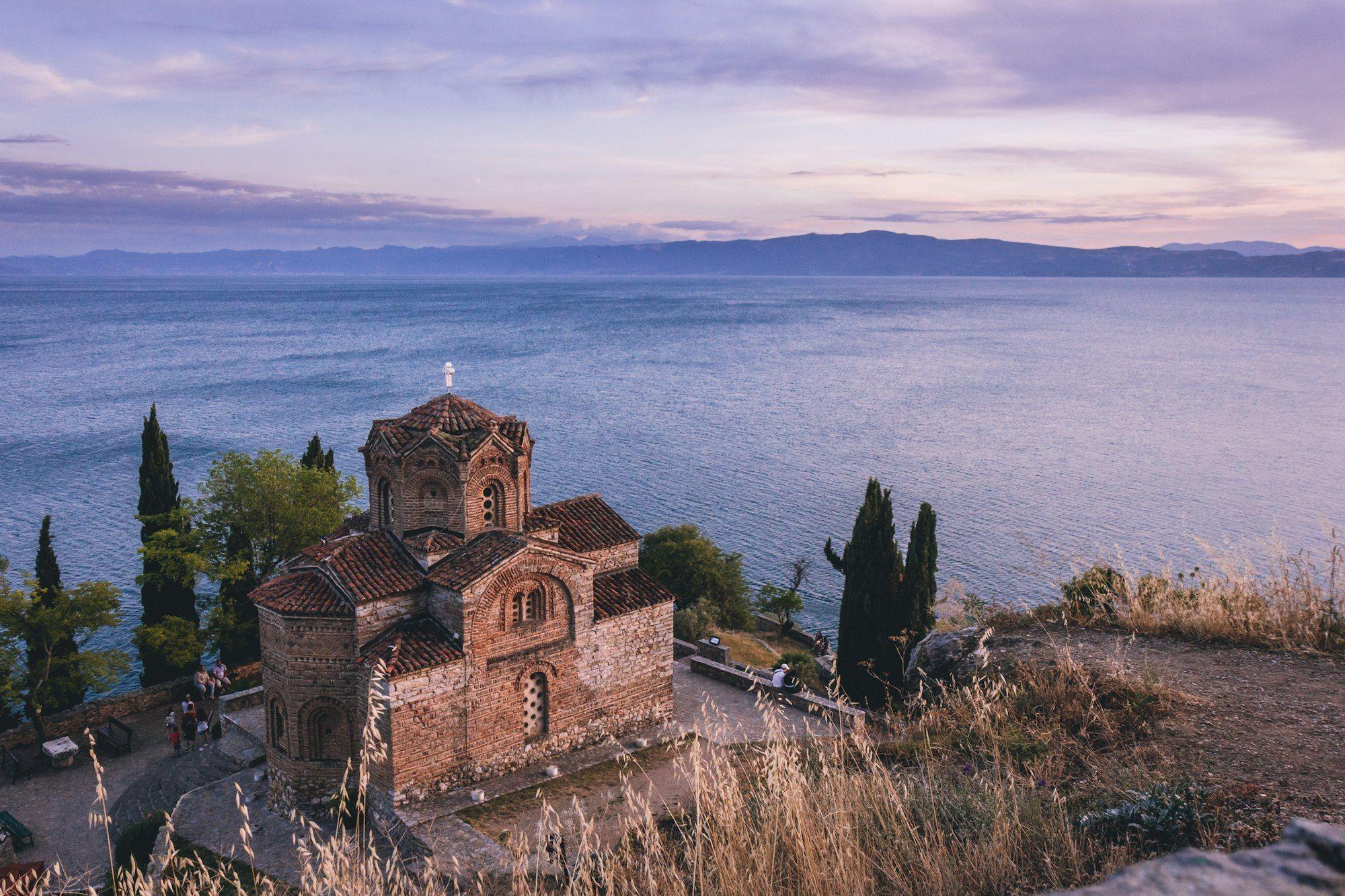
Rich Cultural Heritage: Blend of Byzantine and Ottoman influences, Macedonian Orthodox traditions, UNESCO World Heritage Sites (Ohrid Lake and town).
Historic Sites: Ancient city of Stobi, Ohrid (UNESCO), Skopje (capital with diverse architecture).
Language: Macedonian language (South Slavic), codified 1945, with Cyrillic script.
8. Political Rights
Vote in elections, run for office, participate in parliamentary republic system. Full citizenship rights in all aspects of civic life.
9. Family Connection
Maintain family ties in North Macedonia, inheritance rights, property ownership. Easy to pass citizenship to future generations, North Macedonia allows citizenship transmission to descendants.
10. Regional Mobility
Easier movement within Western Balkans region. Can enter Kosovo with just ID card (no passport needed).
Frequently Asked Questions
Can I qualify through my grandparents?
NOT automatically. Having North Macedonian grandparents does NOT grant automatic citizenship by origin. However, if your parent emigrated from North Macedonia, you may qualify as first-generation descendant for facilitated naturalization, streamlined process without language or residence requirements. This is naturalization (not automatic citizenship) but much easier than standard route.
What if my parent was Macedonian?
If your parent was North Macedonian citizen when you were born, you likely qualify for citizenship by origin, fastest pathway. If born abroad to one Macedonian parent and one foreign parent, and you're currently ages 18-23, you can still register. Application takes 3-6 months.
Is there an age limit?
Yes. For those born abroad to one Macedonian parent (and one foreign parent), can register between ages 18-23. After age 23, this window closes, would need emigrant pathway (if first generation) or standard naturalization.
Do I need to speak Macedonian?
For citizenship by descent: NO language requirement.
For facilitated emigrant naturalization (first generation): NO language requirement, this is major advantage of emigrant pathway.
For standard naturalization: YES. Must demonstrate proficiency in Macedonian language to extent of easy environmental communication.
Language Note: Macedonian is South Slavic language written in Cyrillic script. Mutually intelligible to some degree with Bulgarian, Serbian, but distinct standardized language.
Can I keep my current citizenship?
YES. North Macedonia permits dual citizenship without restrictions. You do NOT need to renounce U.S., Canadian, Australian, or other citizenship to acquire Macedonian citizenship (for descent or emigrant pathways). Only standard naturalization may require renunciation in certain circumstances, but even then exceptions exist.
Will I lose my U.S./Canadian citizenship?
NO. U.S. and Canada both permit dual citizenship. Acquiring North Macedonian citizenship will NOT affect your U.S./Canadian citizenship. You can hold both.
Do I need to live in North Macedonia?
Citizenship by origin: NO residency requirement.
Facilitated emigrant naturalization: NO residency requirement, major advantage. Language also waived.
Standard naturalization: YES. Must live in North Macedonia for at least 7 years on legal residence permit.
How long does it take?
Citizenship by origin (parent was citizen): 3-6 months processing.
Standard naturalization: 8-10+ years total (7 years residence + processing).
My grandparents were from Macedonia when it was part of Yugoslavia, do I qualify?
Having Yugoslav-era Macedonian grandparents means you may qualify as first-generation descendant for facilitated naturalization (if your parent is the emigrant). This pathway waives language and residence requirements. If you're beyond first generation (great-grandchild), standard naturalization with 7-year residence required.
What about the identity/naming controversies?
North Macedonia has complex history with identity disputes:
Greece (resolved 2019): Naming dispute resolved with Prespa Agreement, country officially renamed "North Macedonia"
Bulgaria (ongoing): Disputes over historical interpretation, Bulgarian claims of shared ethnicity blocking EU accession
These political disputes do NOT affect citizenship by descent eligibility. If your parent/grandparent was from Socialist Republic of Macedonia (Yugoslav era) or modern North Macedonia, you can pursue citizenship.
Is North Macedonia citizenship worth pursuing?
Strong benefits:
Dual citizenship permitted (no renunciation)
EU candidate status (potential future EU citizenship)
Low-cost European citizenship option
Favorable tax environment
Visa-free access including Schengen
NO language requirement for descent/emigrant pathways
Considerations:
EU accession timeline uncertain due to Bulgaria dispute
Passport not as strong as current EU passports
Smaller economy compared to Western Europe
Best for: Those with genuine Macedonian heritage wanting to maintain cultural connection, those seeking strategic European option, those interested in future EU membership potential, business opportunities in Balkans.
What if I'm between ages 18-23?
Act immediately. You have limited time window to register for citizenship if parent was Macedonian. This is golden opportunity, don't let it expire. Start gathering documents now.
Can I pass North Macedonian citizenship to my children?
YES. North Macedonia allows citizenship transmission to future generations. Your children born after you acquire citizenship can claim citizenship through you.