This guide explains how to obtain Norway citizenship by descent in 2026, covering eligibility criteria, required documents, and the step-by-step process.
The Kingdom of Norway offers citizenship by descent pathways allowing individuals with Norwegian ancestry to reclaim their citizenship and reconnect with the Nordic homeland. If you can prove descent from a Norwegian parent or, in some cases, grandparent, you may qualify for Norwegian citizenship, granting you visa-free travel to 188+ countries (one of the world's most powerful passports), European Economic Area (EEA) citizenship with rights throughout Europe, and membership in one of the world's wealthiest, most prosperous, and most livable nations with the renowned Nordic welfare model.
Norway's citizenship law recognizes the massive Norwegian diaspora created by historical emigrations, particularly the Great Norwegian Migration (1825-1925) when approximately 800,000-900,000 Norwegians emigrated, primarily to the United States (especially Upper Midwest) but also to Canada.
This represented nearly one-third of Norway's population at the time, making Norway the European country with the highest emigration rate relative to population. Since January 1, 2020, Norway permits dual citizenship without restrictions, a historic change after over a century of restrictive single-citizenship policy, specifically designed to welcome diaspora reconnection.
An estimated 4.5-5 million people of Norwegian descent live outside Norway today, nearly equal to Norway's domestic population of 5.5 million. Whether your family emigrated during the hunger years and poverty of the 1800s, sought farmland in America's Midwest (Minnesota, Wisconsin, North Dakota, Iowa), fled religious persecution (Quakers, Haugeans), departed for economic opportunities, or left more recently, Norway welcomes you back.
While not an EU member, Norway is part of the European Economic Area (EEA) and Schengen Area, providing nearly identical benefits to EU citizenship: free movement, residence, and work rights throughout 30+ European countries. Norway's position as one of the world's wealthiest nations (massive oil wealth, sovereign wealth fund over $1.7 trillion), combined with world-class education, healthcare, and social equality, makes Norwegian citizenship extraordinarily valuable.
Our expert team at CitizenX manages your entire citizenship journey, from archival research in Norway and emigration records to liaising with Norwegian authorities and delivering your Norwegian passport. Contact us today to discover if your Norwegian roots unlock your path to Nordic citizenship.
1. One of the world's most powerful passports, 188+ countries visa-free
Norwegian passport consistently ranked top 5-7 globally. Visa-free or visa-on-arrival access to 188+ destinations worldwide including the United States (ESTA), Canada (eTA), United Kingdom, Australia, New Zealand, Japan, China, and all of Europe. Among the highest global mobility available with any passport. Nordic passports universally respected worldwide.
2. European Economic Area (EEA) citizenship, freedom of movement across Europe
While Norway is NOT an EU member (rejected EU membership in referendums 1972 and 1994), Norway is full member ofEuropean Economic Area (EEA) and Schengen Area. Norwegian citizenship provides immediate right to live, work, study, and retire in 30+ European countries: 27 EU member states plus Iceland, Liechtenstein, and Switzerland. Nearly identical benefits to EU citizenship without being in EU. Complete freedom of movement throughout Europe.
3. World's wealthiest nation per capita, oil fund prosperity
Norway has highestGDP per capitaglobally (over $90,000). Massive oil and gas wealth managed through Government Pension Fund Global (Oil Fund), world's largest sovereign wealth fund at over $1.7 trillion (approximately $300,000+ per Norwegian citizen). This wealth funds comprehensive welfare state. Prosperity distributed relatively equally throughout society. High wages, strong currency (Norwegian Krone), excellent purchasing power.
4. Dual citizenship permitted since 2020, historic reform
Norway allows dual/multiple citizenship since January 1, 2020 without limitations or conditions. Keep your US, Canadian, Australian, or any other citizenship while adding Norwegian citizenship. No renunciation required. This 2020 reform historic change after Norway maintained strict single-citizenship policy since early 1900s. Reform specifically designed to help diaspora reconnect and prevent automatic citizenship loss.
5. Nordic welfare state, comprehensive from cradle to grave
Norway exemplifies Nordic welfare model providing: universal healthcare (free or minimal cost at point of service), free education from barnehage (kindergarten) through university including doctoral studies, generous parental leave (49 weeks at 100% pay or 59 weeks at 80% pay, among world's most generous), comprehensive unemployment insurance, disability benefits, pension system, housing support. Quality of life among world's highest with security throughout lifetime.
6. World-class education system, free through doctoral level
Norwegian education system highly ranked globally. Free education from barnehage through doctoral studies for Norwegian citizens and EEA residents. No tuition fees at prestigious institutions: University of Oslo (1811), Norwegian University of Science and Technology (NTNU), University of Bergen, UiT The Arctic University of Norway. Many programs taught in English. International students from outside EEA pay fees, but Norwegian/EEA citizens study free. Strong emphasis on critical thinking, equality, democracy.
7. Universal healthcare, among world's best
Comprehensive healthcare coverage through national health service. Free or heavily subsidized medical care, prescriptions capped at approximately 3,000 NOK (~$275) annually (frikort after threshold), dental care subsidized for children/young adults, preventative care emphasized. High-tech hospitals, excellently trained medical staff. Healthcare access based on residency, not insurance. Healthy life expectancy among world's highest (over 82 years).
8. Gender equality leader, most equal society globally
Norway consistently ranks #1-2 globally for gender equality. Strong women's representation: mandatory 40% gender quota on corporate boards (world's first, 2003), high women's representation in parliament and government, equal parental leave (fathers encouraged to take "daddy quota", reserved weeks for fathers), pay transparency laws. Progressive social policies: same-sex marriage legal (2009), comprehensive anti-discrimination laws, LGBTQ+ rights protected.
9. Highest Human Development Index, best place to live
Norway consistently ranked #1 globally on UN Human Development Index (measuring life expectancy, education, income). Highest quality of life worldwide. Low poverty, low inequality (Gini coefficient among world's lowest), excellent public services, clean environment, safe society, strong democracy. United Nations considers Norway best country in world for human development.
10. Safe environment with extremely low crime
Norway among world's safest countries. Extremely low violent crime rates. Very low corruption (ranks top 5 globally on Corruption Perceptions Index). High social trust. Police professional, unarmed (except special units), community-focused. Prisons focused on rehabilitation not punishment (recidivism rates among world's lowest). Safe streets, safe schools, safe communities. Children walk/bike to school alone from young age.
11. Spectacular nature and outdoor access, Allemannsretten
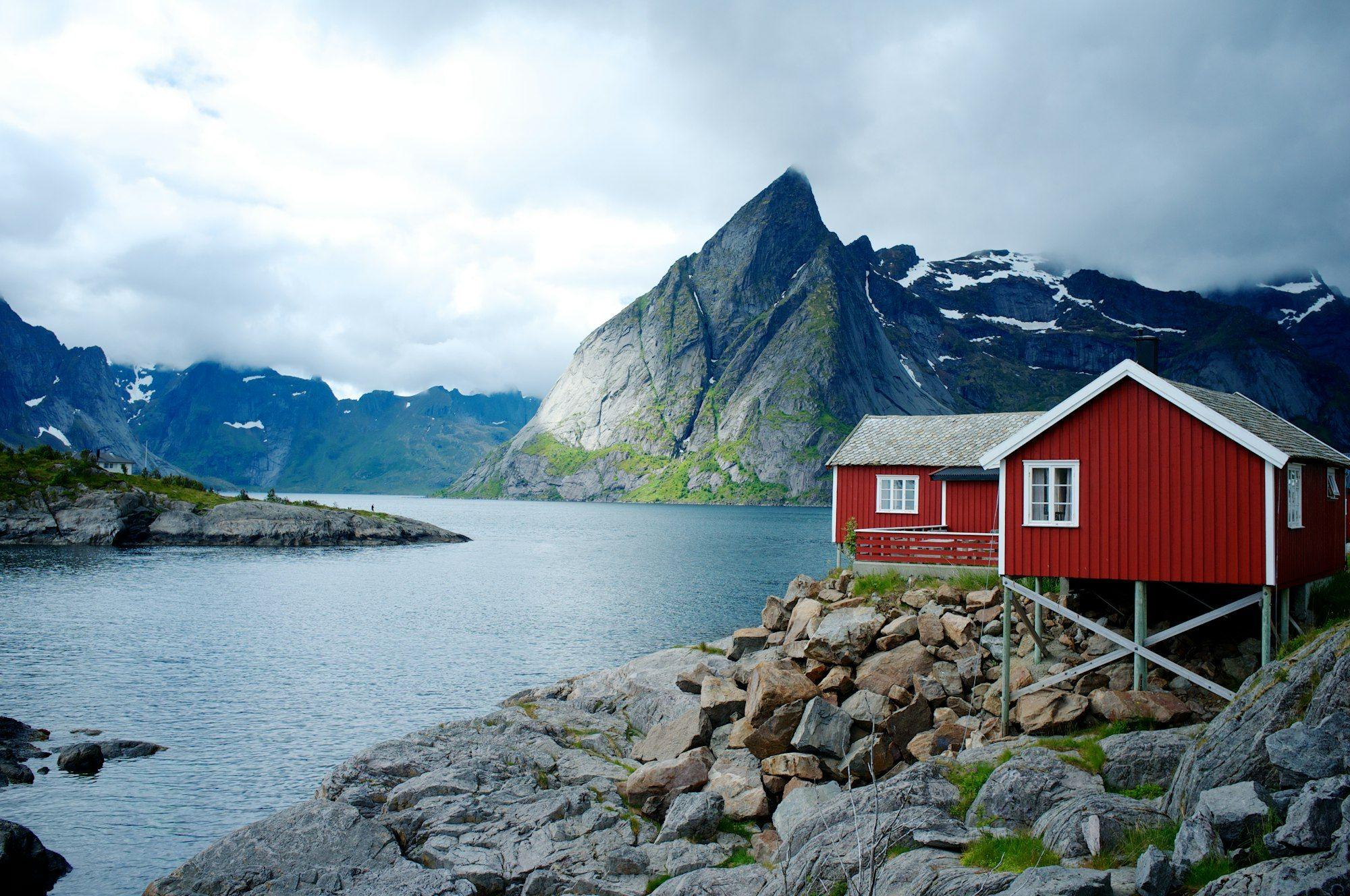
Norway famous for dramatic natural beauty: fjords (UNESCO World Heritage), mountains, northern lights (Arctic regions), midnight sun, pristine wilderness. Allemannsretten (Right to Roam) enshrined in Outdoor Recreation Act, everyone can freely access uncultivated land, walk through forests, pick berries/mushrooms, camp overnight (with respect for nature and private space). Skiing culture (cross-country and alpine). Hiking, fishing, outdoor recreation central to Norwegian lifestyle. National parks, protected wilderness areas throughout country.
12. Work-life balance and labor rights
Strong labor unions protect worker rights. Typically 37.5-hour work week. Generous vacation time (minimum 5 weeks paid annually, most receive 5-6+ weeks). Excellent parental leave (49-59 weeks paid). Flexible work arrangements increasingly common (remote work, flexible hours). Strong separation of work and personal life. Productivity emphasized over hours worked. "Work to live, not live to work" philosophy. Friday afternoons often shorter (weekend starts early).
13. No EU membership, independence with European access
Norway strategically positioned: access to European markets through EEA agreement but maintains independence. Norway controls own fishing rights (critical for coastal economy), agriculture policy, oil/gas resources without EU interference. Participates in Schengen (free movement) but not EU political union, not bound by EU laws except those related to single market. Benefits of European integration without full EU membership obligations.
14. Strategic Arctic location and resources
Norway is Arctic nation with significant Arctic territories (Svalbard archipelago, mainland Arctic regions). Strategic importance in Arctic geopolitics, shipping routes, resources. Leading Arctic research, environmental monitoring. Sovereignty over continental shelf, vast offshore oil/gas reserves. NATO member since founding (1949), strong defense cooperation with Nordic countries and USA. Close relationship with other Arctic nations.
15. Innovation in clean energy and sustainability
Norway global leader in electric vehicles (over 90% of new car sales electric, world's highest), renewable energy (98% of electricity from hydropower), sustainable fishing, carbon capture technology. Strong environmental consciousness. Target: 90-95% reduction in emissions by 2050. Clean air, clean water throughout country. Environmental protection integrated into all policy areas.
16. Excellent English proficiency, Nordic multilingualism
Norway ranks top 5 globally for English proficiency among non-native English speaking countries. Nearly all Norwegians speak excellent English, especially younger generations and in urban areas. Many university programs taught in English. Services widely available in English. International companies often use English as working language. Easy integration for English speakers while learning Norwegian. Additionally, written Norwegian (Bokmål) closely related to Danish, mutually intelligible with Swedish.
While oil/gas sector significant (accounts for about 14% of GDP, 40% of exports), Norwegian economy diversified: maritime industry (shipping, offshore services, Norway major shipping nation), fishing/aquaculture (salmon farming world leader), technology sector, renewable energy, tourism. Economic policy emphasizes using oil wealth responsibly (only ~3% of Oil Fund's returns spent annually, rest saved for future generations). Strong economic resilience, stable banking system.
18. Cultural richness, from Vikings to modern Norway
Deep cultural heritage: Viking history and archaeology, stave churches (medieval wooden churches unique to Norway, 28 surviving), folk traditions (bunad traditional costumes, rosemaling decorative painting), Sami indigenous culture (northern Norway). Modern cultural achievements: Edvard Grieg (composer), Henrik Ibsen (playwright), Edvard Munch (The Scream painter), Roald Amundsen (polar explorer), Thor Heyerdahl (Kon-Tiki expedition), a-ha (music), Nobel Peace Prize (awarded annually in Oslo). Strong literary tradition, arts scene.
19. High wages and strong social mobility
Average wages among world's highest. Minimum wage effectively set through collective bargaining agreements (no statutory minimum wage but sector agreements ensure high wages). Compressed wage distribution (relatively small gap between highest and lowest earners compared to other countries). Strong social mobility, family background less determinative of outcomes than most countries. Opportunities for advancement regardless of origin.
20. Family legacy and generational wealth
Pass Norwegian citizenship to your children and all future generations. Norwegian citizenship hereditary, your descendants inherit EEA citizenship, Nordic welfare benefits, world-class education and healthcare access, future share in Norway's Oil Fund prosperity. Long-term investment in family security and prosperity. Ensure children have Norwegian/European opportunities.
Eligibility, pathways based on Norwegian ancestry
Norway offers several routes to citizenship for those with Norwegian heritage:
Pathway 1: Citizenship by descent, Norwegian parent
✓ Parent was Norwegian citizen at your birth: If either parent was Norwegian citizen when you were born (regardless of where you were born), you have automatic claim to Norwegian citizenship by descent.
✓ Applies regardless of birthplace: Born in Norway, United States, Canada, anywhere, location irrelevant if parent was Norwegian citizen.
✓ Parent's current status irrelevant: Even if your parent later acquired foreign citizenship or lost Norwegian citizenship (before 2020 dual citizenship reform), you still have claim through their citizenship at time of your birth.
✓ Unmarried parents: If parents weren't married:
Mother Norwegian: Automatic citizenship from birth
Father Norwegian (born after 1979): Automatic citizenship if paternity established
Father Norwegian (born before 1979): May need to apply by notification
✓ Born 1979-2006: Different rules applied during this period. Father's Norwegian citizenship transferred if paternity established, but some cases required application/notification.
✓ Born 2006-present: Current law more straightforward, citizenship from Norwegian parent (married or unmarried) transfers automatically if paternity established.
Key advantage: Parent connection most straightforward pathway. Proving parent's Norwegian citizenship at your birth establishes nearly automatic claim.
Pathway 2: Born in Norway, very limited jus soli
✓ Born in Norway to stateless parents: If you were born in Norway and would otherwise be stateless (parents have no citizenship or unknown citizenship), you may acquire Norwegian citizenship.
✓ Born and lived in Norway until age 18: If you were born in Norway and have lived there until age 18, you can apply for Norwegian citizenship (facilitated naturalization).
Important note: Norway does NOT have general birthright citizenship (jus soli). Simply being born in Norway doesn't automatically grant citizenship unless statelessness exception applies or continuous residence until age 18. Parent connection typically required.
Pathway 3: Grandparent connection, possible but complex
Norway's grandparent pathway more restrictive than other Nordic countries:
✓ Grandparent was Norwegian citizen:
Generally requires proving your parent was Norwegian citizen at some point (even if they lost it)
If parent never acquired Norwegian citizenship (because grandparent lost Norwegian citizenship before parent's birth due to pre-2020 ban), direct grandparent claim very difficult
Pre-2020 dual citizenship ban complication: Before January 1, 2020, Norway did NOT permit dual citizenship. Norwegians who acquired foreign citizenship automatically lost Norwegian citizenship. This broke citizenship chain for many diaspora families.
Example problem: Your Norwegian grandparent emigrated to USA, naturalized as US citizen in 1950s → automatically lost Norwegian citizenship → your parent born in 1960s was NOT Norwegian citizen (grandparent already lost Norwegian citizenship before parent's birth) → you can't claim Norwegian citizenship through parent (parent wasn't Norwegian citizen).
This affects vast majority of Norwegian-American, Norwegian-Canadian families from 1900s-1990s emigration waves.
Limited exceptions: Some pathways exist for grandchildren but highly case-specific (special circumstances, humanitarian considerations). Generally, Norway prioritizes parent connection over grandparent. Grandparent pathway requires extensive documentation and often isn't viable for second/third generation diaspora due to pre-2020 ban.
Pathway 4: Re-acquisition for those who lost Norwegian citizenship
✓ Previously held Norwegian citizenship but lost it: If you were Norwegian citizen but lost citizenship (for example, by acquiring foreign citizenship before 2020 when dual citizenship banned, or parents lost citizenship before you turned 18), you can re-acquire citizenship by declaration.
✓ Significantly simpler than new application: Re-acquisition much faster and less stringent than applying as foreigner. Norwegian language requirement waived. Residence requirement waived.
✓ Lost as child: If you lost Norwegian citizenship as child (because parent lost citizenship before you turned 18, or you acquired foreign citizenship before age 18 before 2020), straightforward declaration process restores citizenship.
✓ Born before 2020 to parent who lost citizenship: Special provisions for those born before 2020 whose parent lost Norwegian citizenship due to foreign naturalization. You may be able to acquire/re-acquire Norwegian citizenship.
This is major pathway for diaspora affected by pre-2020 ban.
Pathway 5: Norwegian parent, born before September 1, 2006
✓ Born August 31, 2006 or earlier with Norwegian parent: Specific provisions apply to those born before September 1, 2006. Rules differed regarding citizenship transmission through fathers (unmarried parents), foreign-born children, etc. May need to apply by notification if citizenship didn't automatically transmit. Consult with us for specific assessment based on birth date.
Pathway 6: Sami indigenous heritage
✓ Sami (indigenous people of northern Fennoscandia): If you're Sami from Norway or descended from Norwegian Sami, you qualify for Norwegian citizenship through same pathways as ethnic Norwegians. Sami cultural connection may provide additional genealogical resources. Norway recognizes Sami rights, language, culture through Sami Act and Sametinget (Sami Parliament).
Pathway 7: Naturalization (not descent, but included for completeness)
Not ancestry-based but available if descent pathways unavailable:
Requirements:
Age 18+
Documented identity
Permanent residence permit
Lived in Norway 8 of last 11 years (7 of last 10 for stateless/refugees, 3 years if Nordic citizen, 2 years if married to Norwegian)
Meet residency requirement at time of application (currently in Norway on valid residence permit)
Norwegian language requirement: Passed test in Norwegian language and society (norskprøve) or completed Norwegian language courses
Released from previous citizenship OR country permits dual citizenship OR Norway permits dual (since 2020, most cases qualify)
No criminal record (serious crimes disqualify)
Language requirement: Must pass Norwegian language test or complete approved Norwegian language/society courses. Approximately B1 level required (intermediate proficiency). One of more challenging requirements for foreign-born applicants.
Note: Naturalization requires many years of residence, not practical for diaspora unless planning to relocate to Norway. Descent/re-acquisition pathways preferable if eligible.
Additional considerations for all pathways:
✓ Age: Must be 18+ to apply independently (minors through parents)
✓ Clean background: No serious criminal record
✓ No renunciation required (since 2020): Norway permits dual citizenship, keep all current citizenships
✓ Norwegian language (varies by pathway):
Parent descent: NO Norwegian language requirement
Re-acquisition (former citizen): NO Norwegian language requirement
Naturalization: YES, Norwegian language requirement (B1 level)
Dual citizenship, Norway's 2020 historic reform:
Before January 1, 2020: Norway did NOT permit dual citizenship. Norwegian citizens who acquired foreign citizenship automatically lost Norwegian citizenship. Foreign citizens who naturalized in Norway had to renounce previous citizenship. This single-citizenship policy maintained since early 1900s.
Since January 1, 2020: Norway permits dual/multiple citizenship without restrictions. Historic reform passed by Norwegian Parliament (Storting) in 2018, implemented January 1, 2020.
You can now:
Hold Norwegian citizenship alongside any other citizenship(s)
Acquire new citizenships without losing Norwegian
Re-acquire Norwegian citizenship without renouncing other nationalities
Children inherit citizenship from Norwegian parent regardless of other parent's nationality
Historical impact on diaspora: The pre-2020 ban profoundly affects Norwegian diaspora eligibility. Massive Norwegian emigration occurred primarily 1825-1925 (approximately 800,000-900,000 Norwegians, one-third of Norway's population). Many emigrants naturalized in USA, Canada, etc. between 1900-2019, automatically losing Norwegian citizenship. Their children born after citizenship loss weren't Norwegian citizens, breaking the chain. This limits eligibility for second/third generation Norwegian-Americans, Norwegian-Canadians, etc. unless they qualify for re-acquisition as former citizens.
2020 reform impact: The 2020 reform created special provisions for those who lost citizenship or whose parents lost citizenship due to pre-2020 ban. Many diaspora now eligible for re-acquisition who weren't eligible before. Critical to assess whether you qualify under post-2020 provisions.
Family inclusion:
Minor children can be included in citizenship application
Non-Norwegian spouse doesn't automatically acquire citizenship but can apply through marriage pathway (requires 2 years residence in Norway + 7 years total in Scandinavia, or standard residence requirements)
Required Documentation
Core Personal Documents:
Valid passport
Your birth certificate (official, with apostille if from non-EEA country)
Police clearance certificate (criminal background check from country of residence)
Passport photos (Norwegian specifications, 35x45mm, specific requirements)
Proof of current citizenship
Parent Connection Documentation:
To prove parent was Norwegian citizen at your birth:
Parent's Norwegian passport from around time of your birth (strongest evidence)
Parent's Norwegian birth certificate (if born in Norway)
Parent's Norwegian fødselsnummer (national identity number) if available
Parent's Norwegian citizenship certificate (if naturalized or re-acquired Norwegian citizenship)
Your birth certificate showing parent's information
Parents' marriage certificate (if applicable)
Historical documents if parent from earlier era:
Norwegian population register extracts (folkeregisterutskrift)
Norwegian church records (before 1970s, Church of Norway maintained population registers)
Norwegian military service records (if applicable, Norwegian men served conscription)
Emigration records from Norway
Grandparent Connection Documentation (complex due to pre-2020 ban):
Note: Grandparent pathway difficult due to citizenship chain breaks. Required documentation includes:
Grandparent's Norwegian documents:
Birth certificate (showing Norwegian birth)
Norwegian passport(s)
Norwegian citizenship certificate
Population register information (folkeregister)
Military service records (if applicable)
Emigration records (documented in Norwegian emigration archives)
Evidence of parent's citizenship status at time of your birth
Documentation of whether parent ever held Norwegian citizenship
If parent lost Norwegian citizenship: documentation of when/why (grandparent's foreign naturalization, etc.)
Citizenship chain analysis:
Proof that citizenship chain wasn't broken by pre-2020 dual citizenship ban
Timeline showing grandparent's citizenship status when parent was born
Timeline showing parent's citizenship status when you were born
Your documents:
Your birth certificate
Complete family tree with dates proving unbroken citizenship chain
Challenge: Most Norwegian diaspora families cannot prove unbroken chain due to foreign naturalization-triggered citizenship losses before 2020.
Re-acquisition (former citizen) documentation:
Proof of previous Norwegian citizenship (old Norwegian passport, citizenship certificate, population register records)
Documentation of how/when citizenship was lost (foreign naturalization certificate showing date, parent's citizenship loss if you lost as child)
Evidence you held Norwegian citizenship at some point
Documentation showing you fall under re-acquisition provisions
This is crucial pathway for many diaspora: If you or your parent were Norwegian citizens but lost citizenship due to foreign naturalization before 2020, you may qualify for re-acquisition under 2020 reform provisions.
Norwegian emigration and genealogical records:
Norway has excellent genealogical resources. Key sources:
Norwegian emigrant databases:
Digital Archives (Digitalarkivet): Norwegian National Archives digitized records including emigration lists, church books, census records
Norwegian Emigration Center (Norsk Utvandrermuseum): Stavanger, major research center, ship passenger lists
Contact us for confidential consultation. Norwegian citizenship pathways require careful evaluation due to pre-2020 dual citizenship ban complications:
Determine your exact eligibility (parent descent, re-acquisition as former citizen, grandparent possibility)
Assess documentation availability
Critical analysis: Impact of pre-2020 dual citizenship ban on your family line
Identify if/when citizenship chain was broken by ancestor's foreign naturalization
Evaluate whether re-acquisition (former citizen) pathway applies to you
Assess 2020 reform provisions and how they benefit your case
Realistic timeline and requirements
Strategic planning
Critical assessment: We identify whether pre-2020 citizenship loss broke your family's citizenship chain, and critically, whether you qualify for re-acquisition under 2020 reform provisions. Most Norwegian-American, Norwegian-Canadian families affected: grandparent emigrated (1850s-1960s), naturalized abroad before 2020, automatically lost Norwegian citizenship, so parent never had Norwegian citizenship. This breaks descent chain.
However, 2020 reform opportunity: If you or your parent were Norwegian citizens but lost citizenship due to pre-2020 ban, you may now qualify for re-acquisition. This is major opportunity for diaspora that didn't exist before 2020.
Common scenario: Grandparent born in Norway (Norwegian citizen) → emigrated to USA 1920s → naturalized as US citizen 1930s → automatically lost Norwegian citizenship → parent born 1940s in USA (NOT Norwegian citizen because grandparent already lost Norwegian citizenship before parent's birth) → you born 1970s (NOT Norwegian citizen through parent) → BUT if you were born in Norway or had Norwegian citizenship as child, you may qualify for re-acquisition.
If standard descent unavailable, we explore: (1) Whether you qualify for re-acquisition as former Norwegian citizen, (2) Whether your parent qualifies for re-acquisition (they can re-acquire, then you can apply through them), (3) Alternative Norwegian ancestors where chain wasn't broken, (4) Realistic assessment that naturalization (8-year residence) may be necessary if other pathways unavailable.
We provide honest evaluation of your case strength.
Step 2: Norwegian archival & genealogical research (Months 1-5)
Research in Norway's excellent genealogical archives:
In Norway:
Norwegian National Archives (Riksarkivet): Central archives with historical records, Digital Archives (Digitalarkivet) project digitized millions of records
Regional archives (Statsarkiv): Archives in Oslo, Bergen, Trondheim, Stavanger, Kristiansand, Tromsø, Hamar, Kongsberg preserving local records
Church of Norway archives: Historical population registers (kirkebøker), parish records
Norwegian Tax Administration (Skatteetaten): Modern population register (folkeregister) from 1970s
Norwegian Directorate of Immigration (UDI): Citizenship records
Norwegian Defense Archives: Military service records (conscription)
County governors (Fylkesmann): Historical records
Emigration research:
Norwegian Emigration Center (Norsk Utvandrermuseum): Stavanger, comprehensive emigration research center
Digital Archives (Digitalarkivet): Emigration lists, ship passenger lists digitized
Ship passenger lists: Norwegian port records (Bergen, Kristiansand, Stavanger, Oslo/Christiania, Trondheim, Tromsø)
Destination port records: Ellis Island (USA), Quebec (Canada), Australian immigration records
American port records: Passenger lists, naturalization records
Diaspora research:
Norwegian-American Historical Association (St. Olaf College, Minnesota)
Vesterheim Norwegian-American Museum (Decorah, Iowa), extensive genealogical collections
Sons of Norway organization archives
Norwegian church records in diaspora (Norwegian Lutheran churches in USA, Canada)
Norwegian language newspapers in diaspora (Norwegian-American press)
Immigration records in destination countries (naturalization records critical for determining when Norwegian citizenship lost)
We have researchers throughout Norway and connections to Norwegian diaspora archives in USA, Canada.
Critical specialized work: Analyzing citizenship chain and 2020 reform eligibility:
Timeline construction: When grandparent born (Norwegian citizen) → when grandparent emigrated → when grandparent naturalized in foreign country (lost Norwegian citizenship) → when parent born (Norwegian citizen or not?) → when you born (Norwegian citizen or not?) → citizenship status throughout life
Foreign naturalization records research: USA, Canada naturalization records to determine exactly when Norwegian ancestor became foreign citizen (and thus lost Norwegian citizenship pre-2020)
Norwegian citizenship law historical analysis: Different rules applied in different eras, Norwegian citizenship law changed multiple times (1888, 1924, 1950, 1979, 2006, 2020). Which laws applied when to your family?
Re-acquisition eligibility analysis (critical):
Were you ever Norwegian citizen yourself (even briefly)?
Did your parent lose Norwegian citizenship before 2020?
Do you qualify for re-acquisition under 2020 reform provisions?
Can your parent re-acquire first, then you apply through them?
2020 reform provisions assessment: Understanding new opportunities created by 2020 dual citizenship reform, particularly for those who lost citizenship or whose parents lost citizenship
This specialized analysis often determines entire case viability for second/third generation diaspora. 2020 reform created significant new opportunities that didn't exist before.
Step 4: Foreign document collection (Months 1-3)
Simultaneously, gather documents from your country:
Your personal documents (birth, marriage certificates)
Parents'/grandparents' documents
Any Norwegian documents family preserved (critical, old Norwegian passports, citizenship certificates, military records, church records, emigration papers, letters from Norway)
Immigration/naturalization records (from USA, Canada, etc., showing when ancestor naturalized and lost Norwegian citizenship)
Norwegian church records from diaspora (Norwegian Lutheran churches in America preserved baptism/confirmation records)
Apostille or legalization from countries of origin
Official Norwegian translation by authorized translator (autorisert translator) or sworn translator
English/other languages to Norwegian translation
Historical Norwegian (older documents may use archaic Norwegian, Dano-Norwegian, Nynorsk vs. Bokmål variations) modernized
Notarization and certification
Compilation into organized dossier with cover letter in Norwegian
Step 6: Application preparation (Month 6-7)
We prepare comprehensive citizenship application:
Completed Norwegian citizenship application forms (varies by pathway, declaration for re-acquisition, notification for descent, naturalization application if residence pathway)
Complete genealogical documentation package
Proof of parent's Norwegian citizenship at time of your birth (if parent pathway)
Proof of former Norwegian citizenship (if re-acquisition pathway), this is critical for many diaspora cases
Documentation showing eligibility under 2020 reform provisions
Citizenship chain analysis documentation
Norwegian citizenship law analysis explaining your case
Legal memorandum with statutory references
Personal statement in Norwegian (or English with Norwegian translation)
Step 7: Application submission (Month 7)
Submit to Norwegian authorities:
Through Norwegian Embassy/Consulate in your country (most common for diaspora, Norway has embassies in USA, Canada, Australia, etc.)
Directly to UDI (Norwegian Directorate of Immigration, Utlendingsdirektoratet) if you're in Norway
Online submission: UDI has online application portal for certain applications (udi.no)
Our Norwegian legal representatives manage submission and serve as your local contact.
Step 8: Government processing (Months 8-18)
Norwegian authorities review application:
Document verification
Norwegian population register (folkeregister) cross-checks
Security checks (police background check in Norway)
UDI evaluation
Processing time varies significantly by pathway:
Parent descent (straightforward): 4-8 months
Re-acquisition (former citizen): 6-12 months (2020 reform created many new cases, some processing delays)
Norwegian administration generally efficient and professional. UDI (Utlendingsdirektoratet) handles citizenship applications. Processing times improved in recent years with digitization, though 2020 reform created surge in re-acquisition applications causing some backlogs.
Official Norwegian citizenship certificate (statsborgerbevis) issued
Registered in Norwegian Population Register (folkeregister), assigned Norwegian fødselsnummer (national identity number, 11 digits, critical for all Norwegian services)
Welcome letter from Norwegian authorities
Step 10: Norwegian passport & ID card (Month 20-21)
With citizenship certificate and fødselsnummer, apply for Norwegian documents:
Norwegian passport (pass), 10-year validity:
Biometric passport (burgundy color like other EEA passports)
Apply at Norwegian Police (Politiet) passport office or Norwegian embassy
Fee: approximately 670 NOK (~$60) for adults
Valid for travel worldwide
Norwegian national ID card (nasjonalt ID-kort), 10-year validity:
Can use for EEA/Schengen travel instead of passport
Apply at Police or embassy
Fee: approximately 670 NOK (~$60)
Includes photo and chip
Norwegian bank account & services:
With fødselsnummer, can open Norwegian bank accounts (DNB, Nordea, Sparebank 1, etc.)
Register for digital services (BankID digital identification, essential for Norwegian digital infrastructure)
Access Norwegian digital government services (Altinn, MinID)
Can obtain documents at Norwegian embassy/consulate abroad or in Norway (easier if you're in Norway for visit, but embassies can issue).
Step 11: Post-citizenship support
CitizenX provides ongoing assistance:
Norwegian passport and ID renewals (every 10 years)
Registering your children as Norwegian citizens (they inherit citizenship if you're Norwegian citizen when they're born)
Establishing Norwegian residency if relocating (folkeregister registration, establishing address)
Norwegian tax guidance (if you work/invest in Norway)
Norwegian welfare services registration if moving to Norway (NAV, Norwegian Labour and Welfare Administration)
Norwegian passport and ID card application assistance
Population register (folkeregister) registration guidance
1 year of post-citizenship support
Government Fees (paid separately):
Norwegian application fees: 0-7,300 NOK (~$0-$650) depending on pathway (re-acquisition often free, naturalization 7,300 NOK)
Archival search fees in Norway: 500-1,500 NOK (~$45-$135)
Document copies and certifications: 300-1,000 NOK (~$27-$90)
Norwegian passport fee: 670 NOK (~$60)
Norwegian ID card fee: 670 NOK (~$60)
Total government/document costs: ~$200-$1,000
Additional Costs (variable):
Translation to Norwegian: $1,000-$2,500 (depending on document volume, Norwegian Bokmål vs. Nynorsk, historical Norwegian)
Apostille services multiple countries: $200-$500
Foreign naturalization records research: $300-$800
Total Investment: $29,500 - $41,000 for complete service from consultation to Norwegian passport
Why This Investment Makes Sense:
Norwegian citizenship is EEA citizenship, one of world's most valuable citizenships (top 5 passport, wealthiest nation per capita, Nordic welfare, freedom throughout 30+ European countries)
Norway's pre-2020 dual citizenship ban creates complex eligibility requiring expert navigation, citizenship chain analysis and 2020 reform assessment specialized work
2020 reform created major new opportunities (re-acquisition pathway) but also complexity, expert guidance essential to navigate new provisions
Norwegian emigration (800,000-900,000 during 1825-1925, one-third of population) means extensive diaspora but also widespread citizenship chain breaks
Norwegian genealogical records excellent but require specialized knowledge to access and interpret
Language expertise required (Norwegian Bokmål and Nynorsk, historical Norwegian, English)
Long processing timeline (12-24 months), professional management essential
Norway's unparalleled prosperity (Oil Fund $1.7+ trillion), quality of life (UN HDI #1 globally), comprehensive welfare worth significant investment
Success depends on understanding 2020 reform and proving eligibility (pre-2020 ban complicates most cases but 2020 reform provides solutions)
Higher costs reflect:
Recent 2020 reform (only 6 years old), specialized expertise in new provisions essential
Complex eligibility analysis (pre-2020 ban broke many chains, but 2020 reform created re-acquisition opportunities)
Need to research foreign naturalization records (when did ancestor become US/Canadian citizen and lose Norwegian citizenship?)
Norwegian emigration scale (800,000-900,000 emigrants, one-third of population, extensive records requiring specialized research)
Norwegian language complexity (two written forms, Bokmål and Nynorsk, historical variations)
Why choose CitizenX for Norwegian citizenship
Norwegian-Nordic heritage specialists: Deep expertise in Norwegian citizenship law, emigration history, and unique challenges posed by pre-2020 dual citizenship ban plus opportunities created by 2020 reform. Understanding of Norwegian-American (largest diaspora, Minnesota, Wisconsin, North Dakota, Iowa, Washington), Norwegian-Canadian migration patterns.
2020 reform specialists (critical): Expert knowledge of Norway's historic January 2020 dual citizenship reform and re-acquisition provisions. This is relatively new legislation (6 years old) that created major opportunities for diaspora who previously couldn't qualify. We specialize in identifying whether you qualify under new provisions.
Pre-2020 dual citizenship ban experts: Specialized knowledge navigating complex eligibility questions created by Norway's pre-2020 ban (maintained from early 1900s-2019). Critical for assessing whether your family's citizenship chain remained unbroken or whether you qualify for re-acquisition.
Norwegian emigration specialists: Deep knowledge of the Great Norwegian Migration (1825-1925) when 800,000-900,000+ Norwegians emigrated (nearly one-third of Norway's population), highest emigration rate relative to population in Europe. Understanding regional emigration patterns (western Norway, Bergen, Stavanger, southwestern coast had highest emigration; Telemark, Hallingdal, Valdres inland regions; northern Norway, Nordland, Troms).
Norwegian genealogical archives access: Established connections to Riksarkivet (National Archives), Digital Archives (Digitalarkivet) project (millions of digitized records), Church of Norway records, Norwegian Tax Administration (population register). Norwegian records among world's best genealogical resources, we know how to access digitized collections and physical archives.
Emigration database specialists: Expert use of Norwegian Emigration Center resources, Digital Archives emigration lists, ship passenger lists from Norwegian ports (Bergen, Kristiansand, Stavanger, Oslo/Christiania, Trondheim). Can trace Norwegian ancestor's emigration journey.
Norwegian-American archive connections: Relationships with Norwegian-American Historical Association (NAHA, St. Olaf College), Vesterheim Norwegian-American Museum (Decorah, Iowa), Sons of Norway organization, Norwegian Lutheran churches in America, Norwegian-language newspapers for diaspora documentation.
Foreign naturalization records research: Specialized capability researching USA, Canada naturalization records to determine exactly when Norwegian ancestor became foreign citizen (and thus lost Norwegian citizenship pre-2020). This timeline critical for citizenship chain analysis and re-acquisition eligibility.
Norwegian citizenship law historical analysis: Expert knowledge of Norwegian citizenship laws across multiple eras (1888, 1924, 1950, 1979, 2006, 2020 laws). Understanding which laws applied when to your family essential for complex cases spanning over a century.
Re-acquisition pathway expertise: Specialized knowledge of re-acquisition (tidligere statsborger) pathway created/expanded by 2020 reform. This pathway critical for many diaspora who lost citizenship or whose parents lost citizenship pre-2020. We maximize chances of successful re-acquisition.
Bilingual capabilities: Norwegian (Bokmål and Nynorsk literacy) and English fluency. Essential for navigating Norwegian archives, translating historical documents (including older Norwegian forms, Dano-Norwegian, regional dialects), communicating with Norwegian authorities (UDI).
On-ground presence in Norway: Partners in Oslo and throughout Norway to access UDI offices, police stations for passport applications, Tax Administration (Skatteetaten) for population register, archives throughout country.
Fødselsnummer expertise: Understanding Norway's national identity number system (fødselsnummer, 11-digit number) critical for Norwegian services. We help you obtain and use fødselsnummer after citizenship granted. Essential for banking, digital services, healthcare, everything in Norway.
Nordic context understanding: Knowledge of broader Nordic/Scandinavian context (Norwegian relationship with Sweden, Denmark, Finland, Iceland), Nordic Council, Nordic cooperation, EEA/EFTA vs. EU distinctions (Norway not EU but EEA, important nuances).
Complex case experience: Proven success with challenging situations, broken citizenship chains from pre-2020 ban, re-acquisition cases, minimal documentation, 1800s emigration, unclear paternity establishment, grandparent pathways.
Norwegian diaspora community knowledge: Understanding of major Norwegian-American communities (Minnesota "Little Norway" settlements, Wisconsin Norwegian heritage, North Dakota Norwegian population percentage, Pacific Northwest, Washington, Oregon, Iowa Decorah area), Norwegian-Canadian communities (Western Canada, particularly Alberta, British Columbia), cultural preservation efforts.
Start your Norwegian citizenship journey
Norwegian citizenship is one of the world's most valuable, combining top-tier passport (188+ countries visa-free), EEA citizenship (live/work anywhere in 30+ European countries), and the world's wealthiest nation per capita with comprehensive Nordic welfare state. The 2020 dual citizenship reform created historic opportunities for Norwegian diaspora to reclaim citizenship after over a century of restrictive policy. Whether your family emigrated during the Great Norwegian Migration for farmland in America's Upper Midwest, fled poverty and crop failures, sought religious freedom, or left more recently, Norway now welcomes you back without requiring renunciation of other citizenships.
Why Norwegian citizenship makes sense:
Top 5-7 passport globally (188+ visa-free countries)
EEA citizenship (immediate right to live/work in 30+ European countries without being in EU)
World's wealthiest nation per capita ($90,000+ GDP per capita, $1.7+ trillion Oil Fund)
Dual citizenship permitted since 2020, historic reform (keep US, Canadian, Australian, or other citizenship)
UN Human Development Index #1 (best place to live globally)
Nordic welfare state (comprehensive social security, free education through PhD, universal healthcare)
Safe, clean, prosperous (low crime, low corruption, high trust)
Spectacular nature (fjords, mountains, northern lights, midnight sun, Allemannsretten right to roam)
Excellent English proficiency (top 5 globally among non-native speakers)
Strategic independence (EEA access without EU membership constraints)
Pass to children (future generations inherit EEA citizenship and Nordic benefits)
The Norwegian diaspora: Estimated 4.5-5 million people of Norwegian descent live outside Norway (nearly equal to Norway's domestic population of 5.5 million), primarily in United States (4-4.5 million Norwegian Americans, especially Minnesota, Wisconsin, North Dakota, Iowa, Washington, Oregon, "Upper Midwest" Norwegian belt), Canada (500,000+, especially Western Canada), some in Australia, New Zealand. The Great Norwegian Migration (1825-1925) saw approximately 800,000-900,000 Norwegians emigrate, nearly one-third of Norway's entire population at the time, highest emigration rate relative to population in European history.
Critical consideration, 2020 dual citizenship reform: Norway's January 1, 2020 reform is historic change after maintaining strict single-citizenship policy since early 1900s. Most Norwegian diaspora families significantly affected by pre-2020 ban (Norwegian emigrants who naturalized in USA, Canada, etc. before 2020 automatically lost Norwegian citizenship, breaking citizenship chain). However, 2020 reform created major new opportunities: Re-acquisition pathway now available for those who lost citizenship or whose parents lost citizenship. Many diaspora who couldn't qualify before 2020 now eligible. We specialize in identifying whether you qualify under new provisions.
Take action now: Contact CitizenX for a free preliminary assessment. We'll evaluate your Norwegian heritage, analyze impact of pre-2020 dual citizenship ban on your family line, assess whether you qualify for re-acquisition under 2020 reform, and provide honest feedback on eligibility within one week.
What is the 2020 dual citizenship reform and how does it help me?
Before January 1, 2020, Norway did NOT allow dual citizenship. Norwegians who acquired foreign citizenship automatically lost Norwegian citizenship. This broke citizenship chains for most diaspora families. The 2020 reform changed everything: Norway now permits dual citizenship without restrictions, AND created re-acquisition pathway for those who lost citizenship or whose parents lost citizenship due to pre-2020 ban. If you or your parent lost Norwegian citizenship by acquiring US/Canadian/other citizenship before 2020, you may now be able to re-acquire Norwegian citizenship. This is major opportunity created by 2020 reform.
What if my grandparent lost Norwegian citizenship when they naturalized in America?
Extremely common situation affecting vast majority of Norwegian-American families. When your grandparent naturalized as US citizen before 2020, they automatically lost Norwegian citizenship. This means your parent was never Norwegian citizen (since grandparent wasn't Norwegian citizen when parent was born), so you can't claim through parent. This breaks citizenship chain. However, assess re-acquisition: If your parent was born in Norway or had Norwegian citizenship at some point (even briefly), they may qualify for re-acquisition under 2020 reform. Then you could apply through them. We evaluate all possibilities.
Can I qualify through re-acquisition if I never held Norwegian citizenship myself?
Generally, re-acquisition requires you held Norwegian citizenship at some point. However, 2020 reform created broader provisions. Possibilities: (1) If you were born in Norway or lived there as child, you may have had citizenship even if not formally registered, (2) If your parent qualifies for re-acquisition, they can re-acquire first, then you can apply through them as their child, (3) Special provisions for certain circumstances. We assess your specific situation.
When exactly did Norway start allowing dual citizenship?
January 1, 2020. This is very recent reform (only 6 years ago as of 2026). Before this date, Norwegian citizens who acquired foreign citizenship automatically lost Norwegian citizenship. After January 1, 2020, Norway permits dual/multiple citizenship without restrictions. This date critical for analyzing your family's citizenship chain.
Do I need to speak Norwegian?
For parent/descent pathway: NO Norwegian language requirement.
For re-acquisition (former citizen): NO Norwegian language requirement, this is major advantage of re-acquisition vs. naturalization.
For naturalization (8-year residence): YES, Norwegian language requirement (approximately B1 level, intermediate proficiency). Must pass norskprøve (Norwegian test) or complete approved Norwegian language courses. One of more challenging requirements.
Norwegian language is complex: Two written standards (Bokmål, majority, and Nynorsk, minority), numerous spoken dialects. However, excellent resources available for learning.
Is Bokmål or Nynorsk used for citizenship?
Both are official written Norwegian standards. Bokmål (literally "book language") used by approximately 85-90% of population, dominant in cities and eastern/northern Norway. Nynorsk ("New Norwegian") used by approximately 10-15%, primarily western Norway (especially Vestland, parts of Møre og Romsdal). For citizenship applications, Bokmål most common. Documents can be submitted in either. English also acceptable for many applications from abroad with Norwegian translation provided.
How do I prove my Norwegian heritage if we lost all documents?
Norway has excellent genealogical records. We can usually locate documents through:
Digital Archives (Digitalarkivet), millions of digitized records online
Norwegian National Archives (Riksarkivet) and regional archives
Church of Norway records (kirkebøker, birth/baptism, confirmation, marriage records)
Population register (folkeregister, modern and historical)
Norwegian Emigration Center databases
Ship passenger lists from Norwegian ports
Norwegian military records (if male ancestor served conscription)
Even if family lost documents, Norwegian archives often have records. Norway's genealogical record-keeping among world's best, and digitization efforts (Digitalarkivet project) make many records accessible online.
What about Norwegian families who emigrated to Canada vs. USA?
Norwegian emigration went to both:
USA (vast majority, estimated 800,000+ Norwegian emigrants went to USA, largest diaspora)
Canada (significant but smaller, Western Canada especially, Alberta, British Columbia)
Pre-2020 dual citizenship ban affects Norwegian diaspora in both countries equally. Whether your ancestor naturalized in USA or Canada, they lost Norwegian citizenship before 2020. 2020 reform provisions apply to diaspora in all countries. We research Norwegian emigration to both USA and Canada.
Can my children get Norwegian citizenship?
Yes. If you're Norwegian citizen when your children are born, they automatically acquire Norwegian citizenship by descent (regardless of where they're born). If you obtain citizenship after your children are born, they may be able to apply through notification/declaration procedure depending on circumstances. Norwegian citizenship hereditary, passes to all future generations.
What if my ancestor was from Sami indigenous people?
Sami are indigenous people of northern Fennoscandia (northern Norway, Sweden, Finland, Russia's Kola Peninsula). Norwegian Sami have equal citizenship rights as ethnic Norwegians. If your family is Sami from Norway (Finnmark, Troms, Nordland, Nord-Trøndelag), you qualify for Norwegian citizenship through same pathways. Sami cultural heritage may provide additional genealogical resources (Sami church records, reindeer herding records, Sami organizations). Norway recognizes Sami rights through Sami Act, Sametinget (Sami Parliament represents Sami interests), and strong protection of Sami culture, language, traditions.
How much does it cost to live in Norway?
Norway has highest living costs globally or close to it:
Oslo: Rent €1,500-€2,500+ for apartment, very expensive capital
Bergen, Trondheim, Stavanger: Rent €1,200-€2,000, expensive major cities
Smaller cities/towns: Rent €800-€1,400, more affordable
However: (1) Highest wages globally compensate, average salary €60,000-€70,000+, (2) Free education/healthcare reduce major expenses, (3) Comprehensive social safety net, (4) Excellent work-life balance, (5) Extremely high quality of life worth the costs for many. Norwegians have high purchasing power despite high prices.
What about taxes?
Simply becoming Norwegian citizen doesn't trigger Norwegian tax residency. Tax obligations depend on where you actually live and work. Norway has tax treaties with most countries (including USA, Canada, Australia) to prevent double taxation. If you don't live in Norway, you generally don't pay Norwegian taxes. If you do relocate to Norway: progressive income tax system (municipal + national tax, roughly 22-40% depending on income), 25% VAT, wealth tax (1.1% on net wealth over approximately $170,000). Tax burden relatively high, but funds comprehensive welfare state. Many Norwegians consider taxes worthwhile for excellent public services, social security, quality of life.
Is Norway in the European Union?
No. Norway is NOT EU member. Norway rejected EU membership in referendums (1972 and 1994). However, Norway is full member of European Economic Area (EEA) and Schengen Area. This means Norwegian citizens have nearly identical benefits to EU citizenship: free movement, residence, and work rights throughout 30+ European countries (27 EU states plus Iceland, Liechtenstein, Switzerland). Norway participates in EU single market but maintains independence in certain areas (fishing rights, agriculture, oil/gas resources). Strategic position, European access without EU political union.
Can I live and work anywhere in Europe with Norwegian citizenship?
Yes. Through EEA membership, Norwegian citizens have full right to live, work, study, and retire in 30+ European countries: 27 EU member states (Germany, France, Spain, Italy, Netherlands, Sweden, Denmark, Finland, Austria, Belgium, etc.) plus Iceland, Liechtenstein, and Switzerland. No work permits needed, no time limits, access to social benefits. Nearly identical to EU citizenship in practical terms for freedom of movement.
What is Norway's Oil Fund and do citizens benefit?
Government Pension Fund Global (commonly called "Oil Fund") is world's largest sovereign wealth fund at over $1.7 trillion (approximately $300,000+ per Norwegian citizen). Established 1990 to invest Norway's oil and gas revenues for future generations. Managed by Norges Bank Investment Management, invested globally (stocks, bonds, real estate worldwide). Fund's returns help finance Norwegian welfare state. Citizens benefit indirectly through comprehensive social services, infrastructure, social safety net funded partly by Oil Fund returns. Major intergenerational wealth preservation, ensures Norway's prosperity continues after oil runs out.
Can I vote in Norwegian elections?
Yes. Norwegian citizens can vote in all Norwegian elections (Storting/Parliament, county councils, municipal elections) regardless of where you live. Diaspora Norwegians vote at Norwegian embassies/consulates or by mail (advance voting). Your voice counts in Norwegian democracy. Additionally, Norwegian citizens abroad can run for office in certain elections.
How long does it really take?
Realistically:
Parent descent (unbroken chain): 12-16 months (application to passport) Re-acquisition (former citizen): 15-20 months (new pathway since 2020, some processing backlogs) Grandparent/complex cases: 18-24+ months (if viable at all, most aren't due to pre-2020 ban)
Breakdown:
Research and citizenship chain analysis: 4-6 months
Application processing: 4-18 months (varies significantly by pathway)
Passport issuance: 1-2 months
Norwegian administration (UDI) generally efficient. Timeline reliable for straightforward cases. 2020 reform created surge in re-acquisition applications causing some backlogs, but processing improving. Complex cases may extend timeline.
What if I can't afford Norway's high cost of living?
Remember: (1) You can use Norwegian citizenship to live anywhere in EEA (30+ countries), can live in more affordable European countries (Portugal, Spain, Poland, Czech Republic, etc.) while holding Norwegian citizenship, (2) Norwegian wages very high if you work in Norway, (3) Free education/healthcare reduce major expenses, (4) Comprehensive social safety net protects from hardship, (5) Many Norwegians live comfortably on average salaries, high costs but high wages balance out, (6) Can maintain residence elsewhere and use Norwegian citizenship for travel, European access, insurance policy.
What about Norwegian military service?
Norwegian men subject to mandatory military service (12 months) OR alternative civilian service. However: Diaspora considerations: If you obtain Norwegian citizenship while residing abroad and don't move to Norway, unlikely to be called up. Military service obligation applies primarily to those residing in Norway. If you obtain citizenship at older age (over ~30), less likely to serve. Women can volunteer (Norway one of few countries with gender-neutral conscription since 2015, though most serving still men). If you do relocate to Norway permanently at younger age, may face service obligation. Discuss specific situation with us.
Can I retire to Norway?
Yes. As Norwegian citizen, you have unconditional right to live in Norway. Retirees can settle in Norway, access healthcare through Norwegian system (residency-based), receive Norwegian state pension (folketrygd) if worked in Norway, enjoy safe environment, excellent elderly care, beautiful nature. Many also choose to live in warmer EEA countries (Spain, Portugal, Italy, France, Greece popular with Nordic retirees) while maintaining Norwegian citizenship.
What if my application is rejected?
Appeals possible through Norwegian Immigration Appeals Board (UNE, Utlendingsnemnda). Rejection typically due to: (1) Insufficient documentation proving parent's Norwegian citizenship at your birth, (2) Broken citizenship chain (pre-2020 ban), (3) Don't meet re-acquisition requirements, (4) Security concerns (rare). We thoroughly pre-screen to minimize rejection risk and present strongest possible application. If rejected, we help evaluate whether to appeal, gather additional evidence, or explore alternative pathways.
Should I wait to apply or apply now?
Apply now. 2020 dual citizenship reform is only 6 years old (as of 2026). Provisions may be adjusted in future, current generous re-acquisition opportunities may not last forever. Additionally: (1) Older family members with oral history/memories passing away, (2) Documents deteriorating over time, (3) Sooner you obtain citizenship, sooner your children born afterward automatically Norwegian citizens, (4) Earlier you access EEA rights, Nordic benefits, (5) Processing times may increase as more diaspora apply under 2020 reform. No advantage to waiting. Norwegian law unlikely to become more generous given already historic 2020 reform.
What about Svalbard, can Norwegian citizens live there?
Yes. Svalbard is Norwegian archipelago in Arctic Ocean. Under Svalbard Treaty (1920), all citizens of signatory countries (including USA, Canada) can live and work in Svalbard without visa. However, as Norwegian citizen, you have full rights in Svalbard with no restrictions. Svalbard has about 2,500 permanent residents (mostly in Longyearbyen settlement), unique Arctic environment, polar bears, research stations, coal mining history, midnight sun/polar night. Interesting option though harsh climate, remote location, limited services.
What is fødselsnummer and why is it important?
Fødselsnummer is Norwegian national identity number (11 digits: DDMMYY + 5 digits). Every Norwegian resident has one. Critical for everything in Norway: banking, healthcare, employment, taxes, digital services (BankID), government services, contracts, subscriptions. Without fødselsnummer, very difficult to function in Norway. When you obtain Norwegian citizenship and register in population register (folkeregister), you're assigned fødselsnummer. We help you obtain and understand how to use it. Fødselsnummer unlocks all Norwegian services and systems.
Can I study in Norway for free with Norwegian citizenship?
Yes. Norwegian citizens (and EEA residents) can study free at all Norwegian universities including prestigious institutions: University of Oslo (1811, oldest), Norwegian University of Science and Technology (NTNU Trondheim), University of Bergen, UiT The Arctic University of Norway (Tromsø), Norwegian School of Economics (NHH). No tuition fees from bachelor's through doctoral studies. Small semester fee (approximately 300-600 NOK, ~$30-55 per semester) for student welfare services. Many programs taught in English. Non-EEA international students pay fees, but Norwegian/EEA citizens study free. This alone can save hundreds of thousands of dollars.