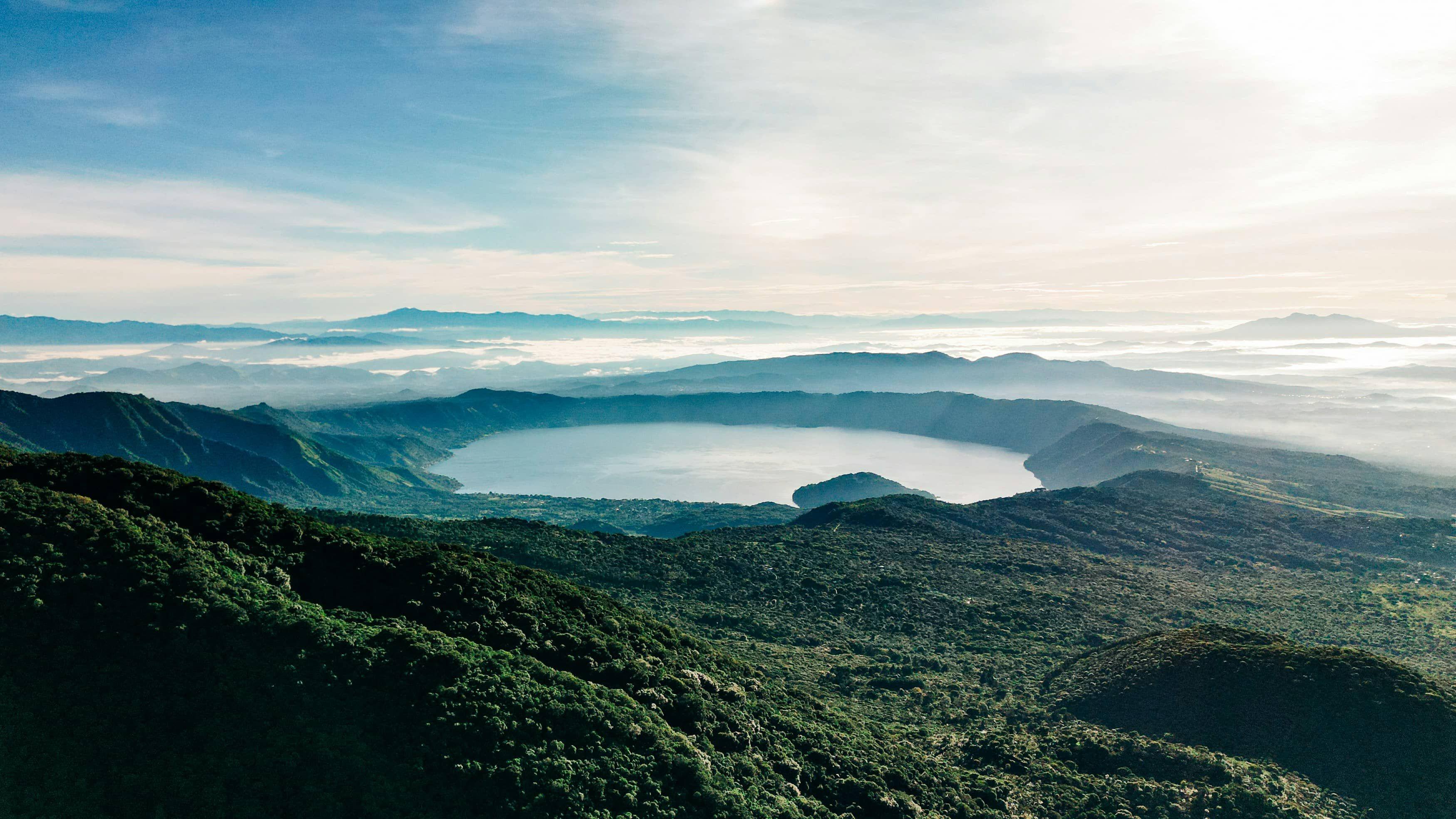
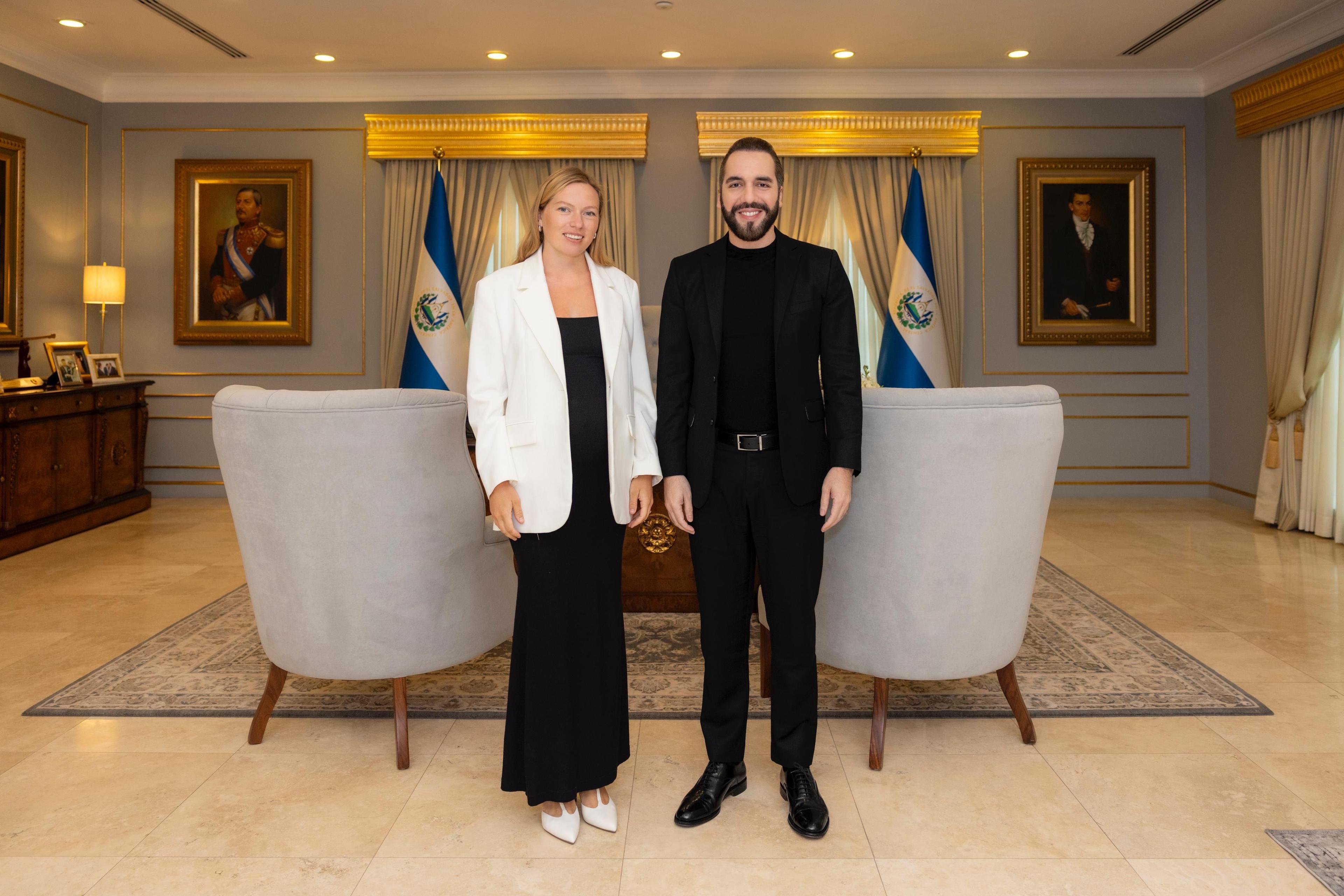
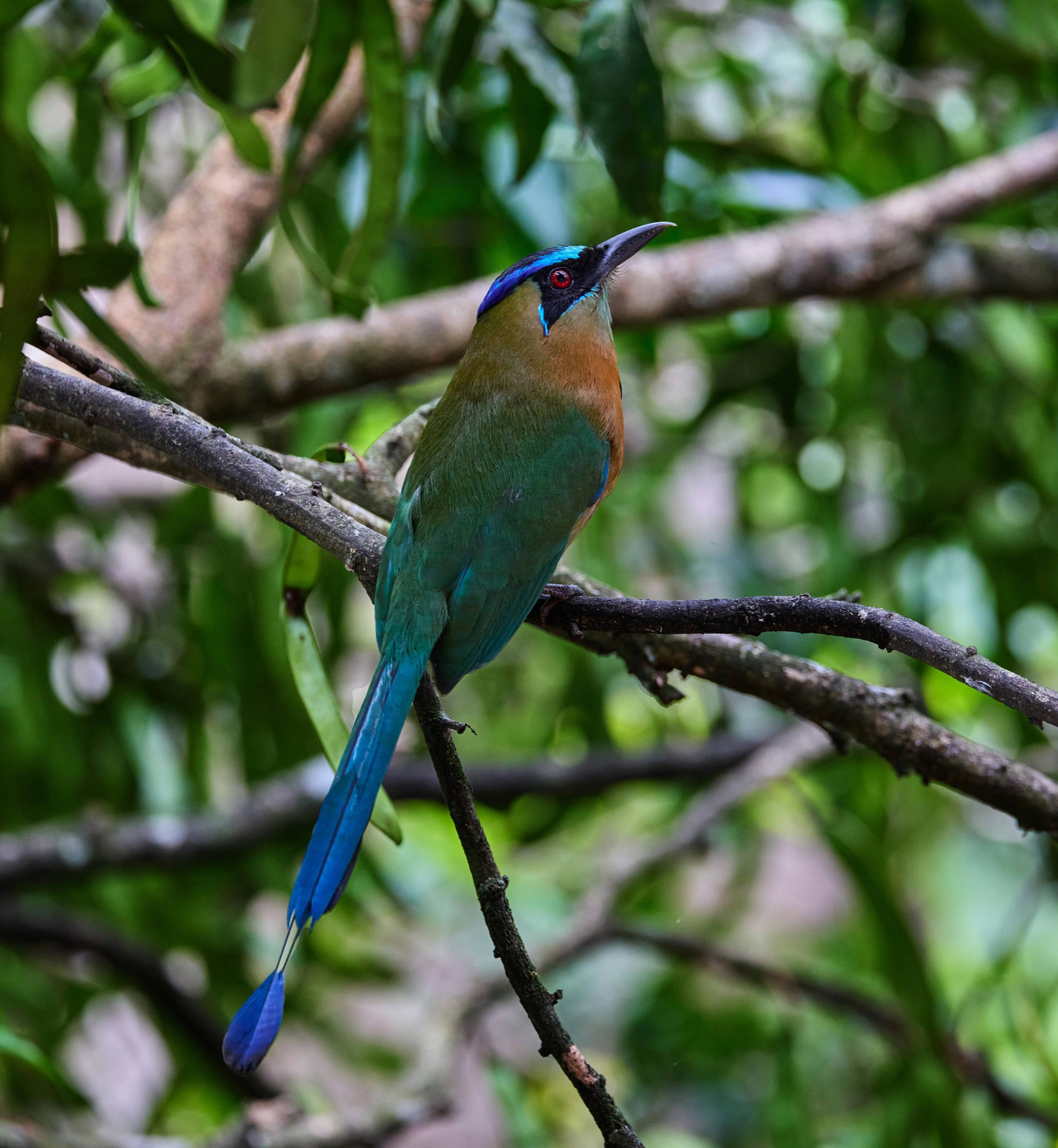
Three generations of my family spent 6 weeks in El Salvador which allowed me to look into schools, holistic health care providers, food quality and more with my feet on the ground.
For nearly 8 years now, I've been non-stop talking about second passports, Plan B residencies, and relocation. It's easy to focus on the hard features of each jurisdiction: taxes, travel freedom given by the passport, job opportunities, cost of living, but when considering these concepts with a family, your priorities may look different. Suddenly you think about education, safety, medical system, community, lifestyle.
When considering the right jurisdiction, the most valuable passport, or the perfect location for my clients, I always look from both perspectives.
Obviously, I do the same for myself.
Three generations of my family spent 6 weeks in El Salvador which allowed me to look into schools, holistic health care providers, food quality and more with my feet on the ground.
In this article I cover:
Pre-travel planning
Food
Medical System
Homebirth
Immunization requirements
Education
Hiring help locally
Gun ownership
Real Estate
Residency/Citizenship options
My take on country's trajectory
While there is a lot of content online covering life in El Salvador, most of it relates to single dudes moving to the Bitcoin country. I wanted to cover what it could potentially look like for a family, exploring the topics relevant to this stage of life.
Previously, I've traveled to El Salvador on my own. This time, we came down for 6 weeks. My husband and I (pregnant at the time), our 3-year-old and 1-year-old were also joined by my 60-year-old parents.
FULL DISCLOSURE: I truly believe that immigration/relocation is a skill. Due to my sailing career, I've traveled the world since I was 11, then went through a full immigration process, then lived a digital nomad life for a while and made jurisdictional arbitrage my job. Basically, I lived and breathed this topic for over a decade. I've mastered a few things that make my experience easier. Please adapt this information based on your skills.
Transportation
Getting there: The new airport is convenient and easy: no time in lines, just a waltz through. However, the airport is located a good 40 minutes from the city and over an hour away from the beach towns like El Zonte (the Bitcoin Beach) and El Tunco.
Considering I have very young kids, I needed car seats for both of them and was not willing to compromise on it. The options available on-site at the airport will not have car seats, so I reached out to known drivers in advance to make sure they met my needs.
The driver ended up renting the car seats at $6 a day and picked me up at the airport with two car seats ready for use.
Getting around: The mainstream ride-shares are yet to establish themselves. Uber is present; you can definitely catch a ride in the city, but in the coastal areas it won't work.
However, local drivers' networks are strong. Basically, I would WhatsApp a guy and either he or one of his 5 buddies is there shortly. You can pre-schedule rides, you can request an SUV or even a 10-passenger.
This "driver network" also ran errands for me; one night I ran out of printer ink and paper and the driver resolved it for me in a matter of 30 minutes. They also purchased and delivered food for me when asked.
Driving: Coming here from Europe, the US, or Canada, it will probably take you a second to adjust to the local style of driving.
Coming from Russia and with a lot of experience driving in Mexico, I felt okay getting around in El Salvador. It will seem crazy at first, but you will catch on. If you are coming for an explorative trip (1–6 weeks), just do taxis. If you are relocating, get a car and learn to drive here.
Food
We are very precise with our food. With young kids and a pregnant woman, we were not willing to compromise on quality. That being said, our diet is pretty simple: beef, veggies, fruit, dairy, and bread…and apparently coconuts.
Ahead of time, I did my research on grass-fed beef. I found a local grass-fed farm called BeefBackBetter and reached out via WhatsApp (I found it on their website) and placed an order. We flew in on Saturday, picked up pounds and pounds of grass-fed beef on Sunday at the farmers' market, and asked for another delivery few weeks later.
You won't have a wide variety of cuts you might be used to, but rib-eye, ground beef, and bones for broth were always available. It was definitely more expensive than supermarket meat and yet a fraction of the price I am paying in Texas.
For things like water, berries, and other necessities, I mostly went to Super Selectos (a local giant supermarket chain).
For veggies, we were good with the local truck driving around the neighborhood selling produce along the way.
For sourdough: Seaside Sourdough
Eggs and fermented dairy: We bought them at Soya, a small local organic store chain. Currently present in El Salvador, at Surf City (El Tunco) and Bitcoin Beach (El Zonte).
I also went crazy for fresh coconuts; I highly recommend it. Available everywhere.
Now with the easy stuff out of the way, let's get to the heavy lifting.
Medical System
I've lived in a country with a public-only medical system, a fully privatized (aka insurance-run) medical system, and a country with both (private and public sector), which is (it's hard for me to admit) my favorite.
El Salvador has a combination too: state-run hospitals and private clinics for you to choose. I believe El Salvador is about to become the new medical tourism hot spot, like Panama (the early signs are already there) but as of today, it isn't widely available, with just a couple of concierge-like medical establishments popping up.
Recently, the public side of the medical system came out with a new mobile app, DoctorSV, currently the most downloaded app in the country. It basically aggregates public pharmacies, local labs and phlebotomy centers, diagnostic imaging centers (X-rays, ultrasounds, etc.) and allows you to schedule an appointment there, get results.
It also allows users to consult doctors via the app (iOS and Android download available), receive a QR prescription to then pick up medication or tests locally.
Online consults via Google Meet can be scheduled almost immediately (24/7).
Education
The public school education system is going through lots of changes. For a long time it was not up to standards, and the current administration is putting money, resources, and effort into fixing it.
On the private school front, I've only heard really great feedback.
Top Private and International Schools in San Salvador
Specifically, these five San Salvador top private/international schools vary by language, curriculum, cost, and outcomes.
Escuela Americana (EA): A long-established (founded in 1946) U.S.-style college-prep school (PreK3–12) with English immersion, AP courses, and a dual U.S./Salvadoran diploma.
Academia Británica Cuscatleca (ABC): A large bilingual British-style school (Pre-K to 12) offering the International Baccalaureate (IB) program and UK curricula.
Lycée Français: A French-Spanish bilingual school (K–12) following the French national curriculum leading to the French Baccalauréat.
Acton Academy El Salvador: A newer, alternative model combining Montessori early education (ages ~1–6) with a learner-driven Acton Academy program (6–12), taught bilingually in English/Spanish.
All five schools prepare students for college, but pathways differ: EA mainly feeds U.S. universities (often with AP credits), ABC grads go to universities worldwide (IB advantage), the German School to German/EU universities, Lycée Français to French/EU or Salvadoran universities, and Acton graduates pursue diverse paths (often entrepreneurial).
Prenatal Care and Childbirth
Homebirth in El Salvador
I know this is a very narrow interest, but I needed to know what the status is on homebirth policy and the state of the childbirth care-provider community.
In El Salvador, the Ley Nacer con Cariño (LNCC) promotes dignified birth and respect for the mother's decision regarding the location of her delivery (at home or in a hospital).
Overall, as expected, homebirthing in El Salvador is not a market that was born out of mothers seeking autonomy from the traditional medical system, but rather the practice kept in rural areas due to lack of access to mainstream hospitals.
El Salvador maintains a dual system of maternal care providers: academically trained Licensed Obstetricians (Licenciatura) and community-based, state-certified Parteras Capacitadas (Trained Midwives).
The system is strongly pushing mothers towards hospital birth (like everywhere in the world). However, homebirth is allowed, access to licensed homebirth professionals exists, and this would be my first choice unless medical interventions are necessary.
Estimated Pricing for Childbirth Outside of Public Hospitals
Private Hospital Delivery (vaginal or cesarean) + 1–2 days postpartum hospitalization: $3,000–$6,000 USD
Licensed Professional Home Birth Midwife (comprehensive prenatal care, labor attendance, extended postpartum visits): $2,500–$4,500 USD
Doula Support Services (labor & postpartum): $400–$1,500 USD
(If interested, I have names of midwives/doulas; I am happy to share)
Immunization Requirements
While there is a list of required vaccines managed by the Ministry of Health (MINSAL), the Ministry of Education (MINED) has explicitly decoupled adherence to the mandatory health scheme from the process of school matriculation. While children are "legally required" by health law to be vaccinated, they are not required to present proof of vaccination (the carné de vacunación) to attend daycare, kindergarten, or school.
Hiring Help
The practice of having cleaning, cooking, or childcare help is very common. Live-in options are available, but that wasn't what I needed. Costs can vary based on location and the helper's professional qualifications. Just to give you a rough idea:
Personal Driver (transportation, pick-up/drop-off, chores, vehicle maintenance): 40 hours/week: ~$700/month
Real Estate
The real estate market has skyrocketed over the last 5 years for obvious reasons, and I cannot understand where we stand right now in terms of price/value. It feels like there is still solid undersupply, but new builds are happening all over the country.
If I were to move to El Salvador with my family, I would consider three possible scenarios:
Beach Towns (La Libertad Area)
Beachtown lifestyle, surfing, minimal driving. Small-town feel. Some are more touristy than others.
El Zonte: The Bitcoin Beach
Pros: Sun, ocean. Surfing. Bitcoin community and high adoption rates.
Cons: No schools in the area, no hospitals nearby, hour-long drive to the city.
Zaragoza
I would call it a large suburb of San Salvador. Specifically, I looked into El Encanto, a well-known country club village. Golf, tennis, gymnastics/swimming classes for kids, playgrounds, and restaurants available within the property lines.
Pros: Middle ground (not city life but pretty close), anything you need available in town, nice lifestyle, close enough to San Salvador even for daily commute.
Cons: More expensive, can't Airbnb or rent short term.
San Salvador
True city life.
Pros: All the pros of living in a big city, access to anything you may need.
Cons: Traffic, air quality.
(I've worked with a couple of real estate agents in El Salvador; I am happy to share the contacts of the most reliable one)
Community
I've said it many times: a "Tribe" is another important piece of your Flag Theory toolbox. I really enjoyed connecting with the community, both locals and the expats drawn by Bukele and Bitcoin.
The locals aren't spoiled by decades of tourism and are genuinely welcoming. The Bitcoin community feels a lot like bear-market Twitter from a few years back.
Living in a place where you enjoy the people surrounding you is a blessing and makes a bigger difference to your quality of life than most people think.
Again, I've changed countries before so please do not underestimate the hardship of starting your local circle from zero.
Taxes
Disclaimer: this is not tax advice!
Long story short:
No global income tax
No capital gains tax on Bitcoin
No property tax
El Salvador operates on a purely territorial tax system. Dividends, capital gains, interest from foreign securities: none of it is relevant to the Salvadoran tax authorities. If the money wasn't made in El Salvador, El Salvador doesn't touch it.
If you are reading this, you are likely a remote worker, an entrepreneur with an international client base, an investor living off foreign income; therefore for you this is a genuinely competitive offer.
Corporate income earned inside El Salvador is taxed at 30%, but that's a separate conversation for those building local operations.
Of course, if you're a U.S. citizen, you file U.S. taxes wherever you live. El Salvador's territorial system removes your local tax obligation on foreign income, but it doesn't make you invisible to the IRS. FATCA and FBAR requirements follow you. That's a separate and important conversation, one worth having with a qualified international tax advisor before making any moves.
For most: this is one of the cleanest tax environments in the region.
Side note: There are exceptions, but in most cases changing a tax residency should be a 2–4 year plan for you. So even if you are planning to relocate by 2030, start your planning today.
Safety
This one deserves its own section because the transformation is real and it matters enormously for families.
Just a few years ago El Salvador was statistically one of the most dangerous countries in the world and until you see it with your own eyes the change is hard to believe. Many of you reached out looking to confirm if it's actually safe.
I want to be yet another person to confirm it for you. I walked around with kids with no fear. After sunrise. In beach towns and in the city. It actually IS safe!
Firearm Registration
Tourists and temporary visa holders are not allowed to own or possess firearms. However, it is possible for a legal resident.
Documents required to obtain a firearm registration:
Valid residency card or citizenship documentation
Background check clearance
Psychological evaluation
Firearms safety course completion certificate
Proof of address
Application forms from the Ministry of National Defense
Banking
Seems like the majority of expats living in El Salvador stick to their home country bank. For day-to-day spending during a visit: your foreign debit and credit cards work at PoS and almost all ATMs.
However, I always say it's important to "complete" the flag. If you are obtaining a residency/citizenship in a country, try to strengthen it with a local driver license, local bank account, and residential address confirmed with a utility bill.
Opening a local bank account isn't hard but might take up to 4 hours. Please note: you must have a local phone number and have your residency card/citizenship. For a non-resident the process is much harder.
Language
You will definitely want to learn at least basic Spanish to navigate comfortably. Supermarkets, local services, hiring help, dealing with landlords, coordinating drivers: Spanish makes all of it easier.
The good news: in El Zonte, El Tunco, and within the international communities of San Salvador, English is widely spoken. The Bitcoin community is heavily international; English is effectively the operating language in those circles.
If you are actually relocating, PLEASE start learning right away. You won't just magically pick it up; that's a myth. I've seen too many immigrants that never integrate and it's not fun.
Immigration Policies
Here's where we finally get to the topic of my and CitizenX expertise.
El Salvador is truly establishing itself as the leading country in the sovereign individual thesis, attracting capital and talent with policies, and it is working.
Here are the immigration paths you can use in order to become a resident or even a citizen of El Salvador.
Most Popular Residency Paths
Investors/Entrepreneurs with over $10,000 active investment into local businesses
Retirees/Remote workers able to prove stable external income
Required Paperwork
Passport
Birth Certificate (Apostille required)
Police Clearance Certificate from the country of birth/country of citizenship (Apostille required) and from El Salvador
Proof of income/economic solvency/investment/business registration and associated documents
Necessary forms
(Certified translations might be necessary for some documents)
Timeline
1–3 weeks
Please Note: These programs require your physical presence in the country. These will not work as a "Plan B residency" and will not be renewed if physical presence requirements have not been met.
P.S. I expect a new donation-based residency program with low physical presence requirements and an expedited timeline to be launched soon.
Citizenship by Investment
Currently, El Salvador has one of the fastest Citizenship by Investment programs in the world, requiring a $1,000,000 USD non-refundable donation. This program allows the whole family to become citizens of El Salvador in about 6 weeks as long as due diligence has been passed with no issues.
This is a premiere program, definitely not for everyone, but still a very attractive offer for some as nothing like that is available on the market.
Comfort and Convenience
Coming from the US, where comfort and convenience are always for sale, prepare to make some adjustments. Certain things are hard to find, timelines are longer than expected, and "over-promise and under-deliver" might as well be the slogan for some service providers.
In reality, you can achieve whatever level of comfort and convenience you want, if you're willing to invest time, money, and effort to build a solid foundation.
With years of immigration experience, I've learned to quickly figure things out on the ground, become resourceful, and get what I need. By the end of our 6-week trip, our life was more or less in order.
Final Note
This article is simply my experience, my research, and my observations. We had a wonderful time on this "extended vacation / pretend relocation." The country's trajectory just blows my mind. I can see the change.
And once you feel it, you want to participate and become a part of this movement, building the new El Salvador.
I appreciate you reading it and I am happy to answer any questions.
El Salvador Guide
Download full list of contacts, places and tips for your trip or immigration planning.