Best Second Passports for Turkish Citizens in 2026
Best Second Passports for Turkish Citizens in 2026
Turkey sells citizenship to the world while its own wealthy quietly buy passports elsewhere. Both sides are being rational. The best second passport options for Turkish citizens in 2026, and what each one actually fixes.
Turkey sells citizenship to the world while its own wealthy quietly buy passports elsewhere. Both sides are being rational. The best second passport options for Turkish citizens in 2026, and what each one actually fixes.
There's an irony at the heart of the Turkish market that tells you everything. Turkey runs one of the world's most popular citizenship-by-investment programs, 400,000 dollars of real estate and you're Turkish, and foreigners buy it by the thousands, largely for the E-2 route to America it carries. Meanwhile, at the same dinner parties in Istanbul where developers toast those sales, the hosts are comparing notes on Maltese residencies, Greek golden visas, and Caribbean passports for their own families.
Nobody at the table is confused. The foreigners are buying what Turkish citizenship offers someone from Tehran or Karachi. The Turks are buying what Turkish citizenship can't offer them: a hedge against the lira, a way around the Schengen visa grind, and a legal foothold outside a system where the rules have been known to change fast.
I've been saying this for years. Cash is king. But passport is queen. Turks have watched the king get debased for a decade straight. The queen conversation is overdue.
Why Turkish citizens need a Plan B passport
Start with the two everyday pains.
The lira. I don't need to rehearse this for a Turkish reader. From under 4 to the dollar in 2018 to past 40 in the mid-2020s, with inflation that turned pricing anything in lira into a weekly exercise. Every wealthy Turkish family already thinks in hard currency, holds dollars and euros and gold, and treats the local currency as a transactional tool rather than a store of value. You've done the monetary half of sovereignty out of necessity. The citizenship half is the unfinished part.
Schengen. The Turkish passport reaches about 110 destinations, respectable on paper, but the list is missing the one region Turkish life is actually oriented toward: Europe. No Schengen access, and worse, Turkish applicants face some of the highest Schengen rejection rates and longest appointment backlogs anywhere. Successful business people with twenty years of travel history get refused over paperwork trivia. The indignity is the point at which most of my Turkish clients started this conversation.
Behind those two sit the structural items: a decade of institutional turbulence, asset-seizure episodes after 2016 that nobody with capital has forgotten, and a wealth-tax debate that resurfaces every fiscal squeeze. Turkey is a G20 economy with deep private wealth and genuine dynamism. It's also a place where concentration of everything you own under one jurisdiction has bitten people badly within living memory.
One more Turkish-specific note: military service. Every Turkish man owes it, and the paid exemption, bedelli askerlik, has become a routine (if ever more expensive) fixture. It's mostly a solved problem for the wealthy, but it's a reminder of the principle that runs through all of this: your obligations are set by a state you don't control, and the price of the exit is repriced whenever the budget needs it.
The good news: Turkish law is on your side
Turkey permits dual citizenship. There's a notification step, Turkish citizens acquiring a foreign nationality are expected to inform the authorities and obtain the standard permission document, but it's administrative, well-trodden, and doesn't put your Turkish citizenship at risk when done properly. Hundreds of thousands of dual Turkish-German citizens alone prove the pattern. Handle the paperwork in the right order with counsel and this is the easy part.
And because Turkey is itself an E-2 treaty country, the E-2 route to the United States is already yours. Remember that when an agent tries to sell you Grenada for its E-2 access; you have that feature at home.
How citizenship by investment works
The mechanics are simple, and Turks know them better than most, having watched the domestic version operate for years. You make a qualifying contribution to a country, usually a government donation or real estate purchase, and receive citizenship and a passport. Sovereign programs, international compliance vetting, worldwide recognition. Due diligence, background checks, an interview at the Caribbean programs, and three to eight months later you're a citizen.
Turkish applicants are accepted at every major program with no nationality restrictions, and Turkish corporate and banking records paper well. Investment amounts in 2026 run from about 90,000 USD to 250,000 USD and up, plus fees. Fund from hard-currency assets held offshore, which, for most wealthy Turks, describes the existing arrangement anyway.
Sao Tome and Principe: the value play
Sao Tome and Principe is a small island nation in the Gulf of Guinea whose program launched in August 2025, with donations from about 90,000 USD for a single applicant. The lowest credible price in the industry.
The passport covers roughly 70 destinations, so it's not the travel fix. It's the insurance layer: a second legal identity from a neutral country at entry-level pricing, for families who want the option established while deciding on a bigger move. Young program, early processing delays, price accordingly.
Vanuatu: the fastest option
Vanuatu has run its program since 2017. All-in costs start around 130,000 to 135,000 USD, with approvals in one to two months, the fastest in the world.
It lost EU and UK visa-free access, so it does nothing for your Schengen problem. What it offers is speed and a zero-tax jurisdiction, no income, wealth, inheritance, or capital gains tax, as a second citizenship. For a Turkish businessperson restructuring around Dubai, it's a quick, clean building block.
St Kitts and Nevis: the benchmark
St Kitts and Nevis has run the world's original CBI program since 1984. The Sustainable Island State Contribution starts at 250,000 USD single applicant, real estate from 325,000 USD.
Here's the sentence that matters: roughly 150 to 160 destinations visa-free, including the entire Schengen area and the UK. The appointment queues at the consulates, the rejection letters, the itineraries built around visa windows, all of it ends. For Turkish business families whose lives run on the Istanbul-Europe axis, this single feature justifies the program. Four to six months of processing through the industry's most established due diligence.
Other Caribbean options worth considering
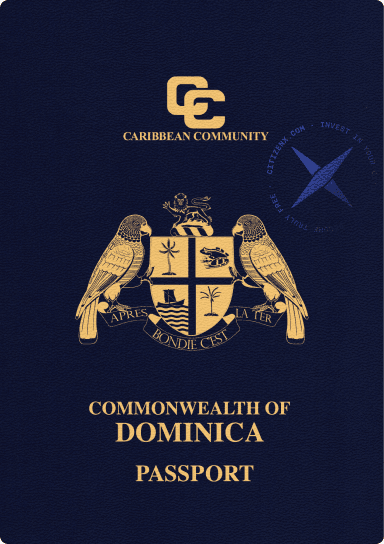
Dominica starts at 200,000 USD. About 140 visa-free destinations including Schengen, from one of the best-run programs in the region. The value route to ending the Schengen problem, and where I'd start most Turkish conversations.
Grenada starts at 235,000 USD, and for most nationalities I pitch its E-2 treaty access. For Turks that's redundant, Turkey has its own treaty, so Grenada earns its premium here only through the stronger passport and visa-free China, which for Turkish exporters and traders is a real consideration.
Antigua and Barbuda starts at 230,000 USD and usually wins for larger families on per-person cost. About 150 destinations, five days of presence required within five years.
El Salvador: the million-dollar outlier
Since late 2023, El Salvador has offered citizenship for a 1 million USD contribution paid in Bitcoin or USDT, processed in six to eight weeks, capped at 1,000 applicants a year. The passport reaches about 135 destinations including Schengen and the UK.
The math against St Kitts doesn't work for most buyers, four times the price for a weaker document. The Turkish exception exists, though: crypto adoption in Turkey is among the highest in the world, born of the same lira story that drives everything else, and for a Turkish crypto holder who wants maximum speed and prefers paying from digital assets, this is a real, if extravagant, option. For everyone else, the Caribbean is the answer.
The strategic framework: how to think about this
For Turkish clients the logic usually resolves fast.
The Schengen problem is the main event, so the Caribbean programs are the main answer: Dominica at 200,000 for value, St Kitts at 250,000 for the benchmark, Antigua for the family math. This is where most Turkish files end up, and rightly.
Skip the Grenada E-2 premium unless the China access or passport strength independently appeal, because your Turkish citizenship already carries the treaty.
If the goal is a fast, quiet second status rather than travel, Vanuatu or Sao Tome.
Pair the passport with your existing hard-currency architecture, and if a residency move is in the picture, Dubai and Lisbon being the perennial Turkish favorites, coordinate the citizenship with the tax planning rather than after it. Turkey taxes residents on worldwide income, and exits need designing.
And a note on timing that I give every Turkish client: you live in a country that itself prices citizenship at 400,000 dollars. You understand better than anyone that these programs are products, that products get repriced, and that every major program has only moved one direction on price this decade. The Caribbean floor went from 100,000 to 200,000 in 2024. Waiting has a cost curve.
What the process actually looks like
Choose the program, then build the file. Clean criminal record, documented source of funds. Turkish applicants generally paper well: corporate registries, title deeds, bank records, tax filings. Handle the Turkish-side notification about the new citizenship properly, with counsel, in the right sequence.
The application goes through an authorized agent: forms, documents, medical, photos, funds, then due diligence and an interview at the Caribbean programs. Processing runs from about six weeks at Vanuatu to six months or more elsewhere.
Beyond the investment, budget due diligence fees (5,000 to 10,000 USD per applicant), agent fees, government processing, and legal costs. For a family, add 20,000 to 50,000 USD to the headline number.
What I'd do if I were a wealthy Turkish national
Specifics, because vague advice is useless.
If I were Turkish with a net worth above 100 million lira, mostly already held in hard currency, here's my next 90 days.
File for Dominica or St Kitts for the whole family now. The Schengen fix alone repays it, and the six-month clock should already be running.
Handle the Turkish dual-citizenship notification with a lawyer, in the correct order, so both citizenships sit clean.
Sort bedelli for any sons approaching service age while the price is what it is. It has never gotten cheaper by waiting, which is also true of everything else in this article.
Keep the wealth architecture where it already is, offshore and in hard assets, and let the new passport upgrade what that architecture can do: account opening, company formation, and travel without appointment lotteries.
If a residency change is realistic within five years, bring the tax advisor in now, not after the move is half-made.
The bottom line
Turkey wrote the modern playbook for selling citizenship, and wealthy Turks have read it more closely than anyone: citizenship is a product, products serve buyers, and the product your own country sells is, by definition, not the hedge against your own country.
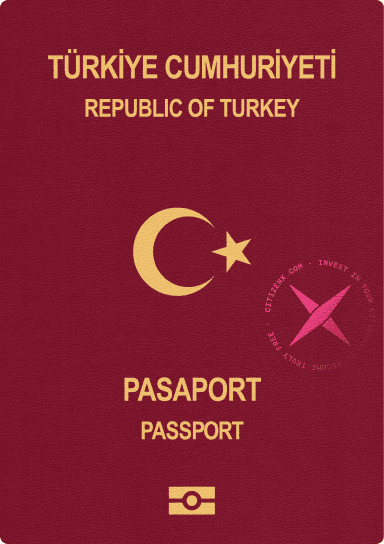
Cash is king. But passport is queen. The lira decade taught every wealthy Turkish family the first sentence. The second one costs 200,000 dollars, takes six months, ends the Schengen queue forever, and is fully legal to hold alongside the red passport.
You've watched foreigners buy your citizenship for years. Buy yourself the one they'd tell you to get.
This article is for informational purposes only and does not constitute legal, tax, or immigration advice. Turkish citizens acquiring foreign nationality should complete the required notifications with Turkish authorities; consult qualified counsel to sequence this correctly.
CitizenX helps high-net-worth individuals secure second citizenships and build sovereign lifestyles. Contact us to discuss your Plan B.