Best Second Passports You Can Buy in 2026

This is my ranking of the 20 best second passport programs for 2026, with the reasons I'd consider each one and the things that would make me hesitate.
AR
Co-founder & CEO
Reading time: 18 minSep 29, 2026 • 2:43 PM
If I were choosing a second passport today, I'd start with three countries: El Salvador, St. Kitts and Nevis, and São Tomé and Príncipe.
They solve different problems. El Salvador is my favorite if you can afford the $1 million contribution. St. Kitts is where I'd start in the Caribbean. São Tomé is particularly interesting if you already have a good passport and want a reasonably priced Plan B passport.
Argentina could join that group. I'm optimistic about it, but there's still too much to settle before I'd tell someone to build their plans around it.
The rest of the market takes a little more sorting out. Some programs are good but slow. Some make sense if you want to own property or live in a particular country. Others attract attention because the passport looks impressive, even though the route to getting it is expensive and uncertain.
So this is my ranking of 20 citizenship options for 2026, with the reasons I'd consider each one and the things that would make me hesitate.
Loading video…
What makes a passport program the best?
I care about what a citizenship lets you do that you couldn't do before.
If you already travel easily, another passport with almost identical access may not change much. You might get more value from an affordable second nationality, especially if it gives your family somewhere else to go. If visa applications regularly interfere with your work, the travel benefits may matter a great deal.
Cost needs the same context. A donation is money you won't get back. With real estate, you still own something, but you also have buying costs, a holding period, and a property to sell eventually. A $400,000 property purchase and a $250,000 donation are very different commitments.
Then there's the process. An application that looks straightforward on a website can involve months of document requests. And government approval isn't the end: you're still waiting if the passport hasn't been issued. For someone who needs to move quickly, that gap matters.
I also think about what happens after you get citizenship. Can you pass it to your children? Could they face obligations you don't? How does it interact with your existing nationalities? Would you be able to renounce it if your circumstances changed?
Tax needs its own review. Getting another passport doesn't automatically change where you're tax resident or end the obligations you already have.
Those are the questions behind this list. The grades are my judgment, and they won't fit every family. I've also included exceptional citizenship routes and Argentina's prospective program, so these aren't all products you can apply for on the same terms.
The 2026 second passport tier list
| Tier | Countries | Why they're here |
|---|---|---|
| S | El Salvador | My strongest overall choice if the budget fits |
| S, conditional | Argentina | Could be excellent, but the program still has to deliver |
| A | St. Kitts and Nevis; São Tomé and Príncipe | My leading Caribbean and affordable Plan B choices |
| B | Türkiye; Nauru; Antigua and Barbuda; Grenada | Good options with tradeoffs worth understanding |
| C | Vanuatu; Sierra Leone; Serbia; St. Lucia; Dominica | Useful for particular situations |
| D | Malta; Austria; Cambodia; Egypt; Jordan | I'd want a strong reason to pursue one of these |
| Bottom tier | Bangladesh; Pakistan | Hard to justify for general passport diversification |
S tier
El Salvador
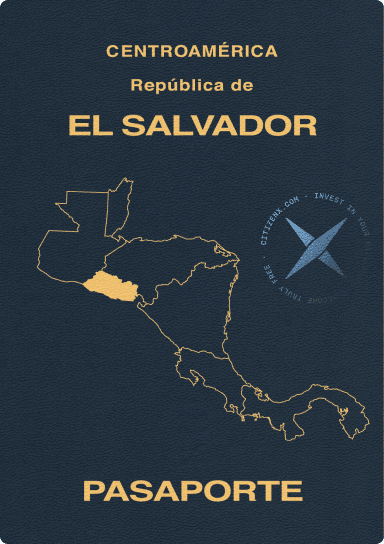
I'm a big fan of El Salvador's Freedom Passport program. I should also be clear about our involvement: CitizenX helped design and implement it, and we're an official government partner. That's part of the context for my recommendation.
What I like is the combination of a relatively straightforward process and a citizenship with benefits beyond the immediate application. It can give you more travel options, a potential home in Central America, and something useful to pass on to your family.
The obvious problem is the price. The program requires a $1 million non-refundable contribution in Bitcoin or USDT, plus fees and expenses. That's a lot of money, and I wouldn't stretch a budget to make it work. There are good reasons to choose one of the cheaper programs. The El Salvador program page explains the contribution and application.
Speed is a big part of the appeal. In my September review, I cited government processing of around two weeks. That's the government stage, though. Preparing documents, answering follow-up questions, arranging biometrics, and getting the physical passport all take additional time. You need an estimate for the whole process before relying on it for a deadline.
There are also benefits that deserve a closer look. Salvadoran citizens can apply for Global Entry. For someone who travels to the United States regularly, that can be useful. You still need separate approval for membership, and Global Entry doesn't replace a US visa or other entry permission.
Spain is another interesting part of the picture, particularly for future generations. Its citizenship rules allow a reduced two-year residence period for nationals of origin of Ibero-American countries. Descendants who qualify as Salvadoran nationals of origin may benefit, but acquiring citizenship through investment doesn't automatically give every applicant the same eligibility. You still have to live legally in Spain and meet the other naturalization requirements. The relevant distinction is in Article 22 of the Spanish Civil Code.
If those benefits matter to you and the contribution is comfortable, El Salvador would be at the top of my list.
Argentina
Argentina gets a conditional S. I'm enthusiastic about what it could offer, but I wouldn't put it in the same category as a program already delivering passports on established terms.
The attraction is easy to understand. Argentina has an established travel document and is a country where you could realistically see yourself living. If the investment route is priced sensibly and works well, it could be a very strong option.
There is a legal framework: Decree 524/2025 sets out an investment-citizenship procedure, with qualifying investment criteria tied to the Ministry of Economy. But a decree doesn't answer every question an applicant needs answered. Pricing, eligibility, implementation, and actual delivery still matter.
The legal position also needs care. A July 2026 report on a citizenship ruling described a court decision against the earlier decree that changed citizenship procedures. The implications of that ruling and any subsequent proceedings need to be understood before treating the route as available.
For now, I wouldn't rely on rumored donation amounts, proposed bond options, or a hoped-for launch date. Possible future US visa-waiver access is another thing I'd leave out of today's buying decision.
I'll be watching Argentina closely. If you need a second citizenship on a firm schedule, keep looking at available options while the details develop.
A tier
St. Kitts and Nevis
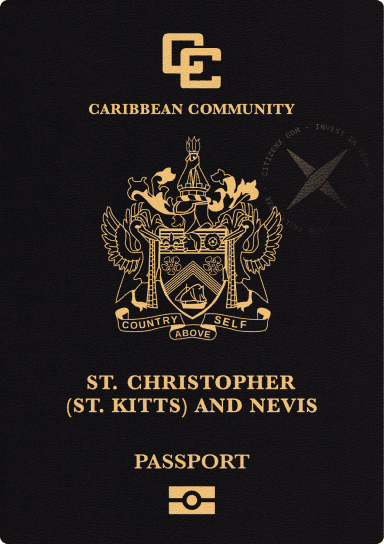
St. Kitts and Nevis is still my preferred Caribbean option.
Its program has been running since 1984. That history counts for something. When you're making a decision that could affect your children and grandchildren, I think there's value in a program that has operated through different governments and changing market conditions.
Before the Caribbean price increases in 2024, I would probably have ranked it higher. The cost has risen, due diligence has become more demanding, and the process isn't as quick or simple as it once was.
Even so, I still prefer it to several of its neighbors. In my September review, processing was one of the reasons: I considered St. Kitts faster than some Caribbean alternatives. You should get a current estimate for your own application, but that relative consistency is a meaningful advantage.
I'd start here if you want an established Caribbean program and can afford it. Just make sure you're paying for something you'll use. An impressive list of destinations matters most when it includes places your current passport makes difficult to visit.
São Tomé and Príncipe
São Tomé and Príncipe is my favorite value option for a Plan B passport.
Say you already have a passport that gets you most places. You aren't trying to fix your travel schedule; you want another citizenship without spending several hundred thousand dollars. That's the situation where São Tomé becomes interesting.
The contribution starts at $90,000 for a single applicant. There's also a $5,000 submission fee, document charges, and any professional fees. You'll want a complete quote for your family before comparing it with another program. The São Tomé program details break out the main costs.
My frustration is the time between starting the application and actually receiving the passport. I've described delays during processing and after approval. The process can be handled remotely, which is convenient, but convenience and speed don't always come together.
There's also a connection to the Portuguese-speaking world worth investigating. Brazil's Constitution provides a preferential naturalization rule for people originating from Portuguese-speaking countries, including one year of uninterrupted residence and good character.
Whether that rule applies to someone who acquired São Toméan citizenship through investment needs to be checked individually. It also involves actually living in Brazil. Don't treat it as a Brazilian passport that comes bundled with the first one.
For someone with a strong existing passport and a flexible timeline, São Tomé is a serious contender. I'd compare it with Nauru, especially once you have the full cost for everyone in the family.
B tier
Türkiye
Türkiye is one of the first places I'd look if I wanted citizenship through a property purchase.
The big attraction is the choice of property. You have access to qualifying purchases beyond a narrow set of developments marketed specifically to citizenship applicants. That gives you more room to buy something you'd actually want to own.
The official investment guidance sets a minimum property value of $400,000, with a restriction on resale for at least three years. The property and transaction still have to satisfy the program's requirements.
I'd spend as much time checking the property as the citizenship process. Is the valuation reasonable? Who will manage it? What will it cost to hold? Who might buy it from you later? Owning an asset can make the economics attractive, but only if it's a sensible asset to own.
The application takes more coordination than some donation programs. You have travel to arrange and steps involving different government agencies. That's manageable, but it adds work.
I'd also have a specialist review military-service rules and inheritance-tax exposure for the family. Your own situation may be different from that of children who acquire the nationality later.
For someone who already wants property in Türkiye, those tradeoffs may be perfectly acceptable. For someone who wants the simplest possible application, I'd look elsewhere first.
Nauru
For a South Pacific citizenship, I currently prefer Nauru to Vanuatu.
The 2026 offer makes it competitive. The program office's contribution schedule lists a $90,000 contribution for the principal applicant for applications filed before December 31, 2026. Application, due-diligence, banking, passport, and dependent charges are extra, so compare the total rather than the discount alone.
The paperwork is where you need patience. Nauru asks for a lot of supporting information. In my review, I mentioned that the checks even extended to the doctor doing an applicant's medical examination. That gives you a sense of the level of detail involved.
I prefer its position to Vanuatu's, but it's also a newer program. We have less history to judge it by, and being new doesn't guarantee that a program will avoid future problems.
Nauru is worth considering if you want a Pacific citizenship and don't mind doing the documentation properly. It earns a B because I like the option, even with the work involved.
Antigua and Barbuda
Antigua and Barbuda is a good program that I put one step below St. Kitts.
For some families, the pricing may make Antigua the better choice. My hesitation is more about processing consistency and the obligations that come with citizenship.
The published rules require at least five days in Antigua and Barbuda during the first five calendar years after obtaining citizenship. Plenty of people will be happy to make that trip. If you're choosing a program because you want to avoid travel altogether, it matters.
US travel needs attention too. The December 2025 US proclamation included Antigua and Barbuda in partial entry restrictions, with specified exceptions. How those rules affect you depends on your circumstances.
I'd keep Antigua on a family shortlist. Then I'd compare the final quote, the likely wait, and the travel rights you can actually use against St. Kitts and Grenada.
Grenada
Grenada has an advantage that can matter quite a lot to the right person: access to China. If you do business there, that may be more useful than a better overall ranking on a passport index. The Grenada program page covers its passport benefits.
I still give St. Kitts the edge overall, but I can see why someone with different travel needs would choose Grenada.
One detail I'd settle before applying is physical presence. In my September review, I discussed an announced 30-day requirement. You need to know what the final rules say, when they take effect, and which applicants they cover. I'd ask for that in writing.
That's a fairly practical B for me. Grenada is a good option when its particular benefits match how you live and travel.
C tier
Vanuatu
Vanuatu still has a place. I just don't think it's the first Pacific option most applicants should choose now.
Losing European visa-free access was a real setback. The Council of the European Union ended the exemption in December 2024, following concerns about the citizenship scheme.
If European travel was your main reason for considering Vanuatu, that changes the decision. If you already have that access and want another nationality in the Pacific, it may matter less.
I understand the appeal of a remote island country. But I would buy into Vanuatu for the rights it gives you today, with a realistic view of the program's history. I'd also put Nauru beside it and compare the two before committing.
Sierra Leone
Sierra Leone makes the most sense to me when there's a specific West African reason to get it. Someone building a business or planning a life in the region may find value that a global passport ranking misses.
As a general travel upgrade, I have reservations. The December 2025 US proclamation placed Sierra Leone under full entry restrictions, subject to the proclamation's scope and exceptions. One exception covers dual nationals traveling on a passport from a country that isn't designated. So the consequences aren't identical for everyone who acquires the citizenship.
I also discussed a name-change option in my review. That needs to be understood properly: banks and authorities may still require disclosure of previous identities. A lawful name change doesn't erase your history.
I'd consider Sierra Leone for a clear regional or personal need. Without one, other programs on this list would get my attention first.
Serbia
Serbia interests me because it's a European country outside the EU. For some people, that's exactly what they're looking for.
My hesitation is about exceptional citizenship. With a discretionary grant, you need to understand why the government would approve your particular case. Having enough money for a proposed contribution doesn't settle that question.
Before spending anything, I'd want the legal basis explained clearly, along with the connection or contribution that would qualify me and the process for reaching a decision.
There may be a good case for Serbia if your circumstances fit. I wouldn't make it my default recommendation for someone who simply wants a predictable second citizenship.
St. Lucia
The wait is my biggest issue with St. Lucia.
In my September review, I described applicants waiting more than two years for approval. That isn't an official timeline for every case, but it's long enough to make me question the choice when other routes are available.
Even if you haven't yet paid the main contribution, you've put time into the application. You may also have spent those two years assuming a passport was on its way instead of pursuing another option.
I'd ask for recent completion times for the route you're considering, including delayed cases. A fast example doesn't tell you what your own wait is likely to look like.
St. Lucia stays in C until I have a stronger reason to prefer it over the alternatives.
Dominica
Dominica has become harder for me to recommend as a general travel upgrade. The UK introduced visa requirements for its nationals in 2023, and the December 2025 US proclamation included it in partial entry restrictions.
There is a more interesting reason to look at it: living elsewhere in the Caribbean.
CARICOM announced full free movement among Barbados, Belize, Dominica, and St. Vincent and the Grenadines from October 1, 2025. If Barbados is where you want to live, for example, that could be more relevant than another handful of visa-free destinations.
You'd need to confirm how the arrangement applies to you. It isn't a general right to settle in every CARICOM country.
That regional possibility is why I wouldn't dismiss Dominica. I'd just want a specific reason to choose it.
D tier
Malta
Malta used to be a very different conversation.
In April 2025, the Court of Justice of the European Union ruled that its investor-citizenship scheme was contrary to EU law. You can't evaluate today's options as though that didn't happen.
An exceptional or merit-based grant has to be considered under its own rules. I'd be wary of treating a suggested contribution as a price that guarantees the outcome.
I also question how much someone should pay for European citizenship if their main goal is visiting Europe. If you genuinely want to live and work across the EU, those citizenship rights can be very valuable. If you mostly want easier holidays and business trips, I'd explore other ways to get the access you need.
I've spoken about my concerns over future European taxation. Those are political forecasts, not a statement that an EU-wide US-style citizenship tax has already been enacted. You can take future policy risk seriously without confusing it with current law.
For most applicants looking for a second passport through an investment, the cost and uncertainty put Malta in D for me.
Austria
Austria has a similar problem. Exceptional citizenship is a route for exceptional circumstances. A large proposed contribution doesn't make it a routine application.
If you have a substantial connection to Austria and a credible case for a grant, it may deserve a serious look. For everyone else, I'd investigate ancestry or a realistic path through residence first.
An Austrian passport can be valuable. My D rating is about how practical this route is for someone who wants another citizenship and doesn't already have a strong reason to pursue Austria.
Cambodia
I'd consider Cambodia if I specifically wanted Cambodian citizenship.
That sounds obvious, but it's a useful test. Local property interests, a business, or plans to spend your life in Southeast Asia could give you a reason to look closely. A desire to collect another passport probably wouldn't.
For property in particular, find out exactly which ownership rights citizenship would add. The answer can depend on the property type and ownership structure. I'd also want a clear explanation of the naturalization route and how decisions are made.
Without that local purpose, I think the programs higher in this list are more attractive.
Egypt
Egypt falls into the same category for me: there needs to be a reason connected to the country.
If your family, business, or future home is there, citizenship may solve something important. If you're mainly trying to improve international travel, I find the other options more persuasive for the money involved.
I'd also look carefully at obligations affecting the family, particularly children who may acquire the nationality. The decision should work for them as well as for the person making the application.
For a general Plan B, Egypt wouldn't be where I'd start.
Jordan
Jordan could make sense for someone with a business there or a genuine intention to make it home. I have a harder time seeing the case for someone who just wants another passport.
As with Egypt, the amount you commit needs to buy rights you'll use. A substantial cost can be justified if citizenship solves a specific local problem. It's much less convincing when the main goal is broader travel access and you have other programs to choose from.
I'd put Jordan on a shortlist because of a connection to Jordan, rather than because of its appeal as a general citizenship investment.
Bottom tier
I put Bangladesh and Pakistan in their own bottom tier.
For the goals I'm considering here, I don't see a strong reason to prioritize either. There are also uncertain descriptions of the routes and conflicting price claims. Before going any further, you'd need a verified legal route, confirmed eligibility, and a clear reason to want that particular citizenship.
A family or business connection could provide that reason. Without one, I'd spend my time comparing options that make a more useful addition to the passports I already hold.
Conclusion: Choosing the best second passport for your own family
Use this ranking to narrow the search, then look at your actual circumstances.
Start with the thing you want to change. Perhaps you want to stop losing time to visa applications. Perhaps you travel easily already, but want your family to have another country available. Those goals can lead you to different programs, even with the same budget.
Get a full quote for everyone you plan to include. Ask how long recent applicants have waited for the physical passport, and what happens when a case takes longer. Make sure you understand travel requirements and any obligations after citizenship is granted.
Then check how it all fits with your existing nationalities, your tax situation, and your plans for your children. This is where a generic ranking reaches its limit.
My starting points remain El Salvador for someone comfortable with the premium, St. Kitts and Nevis for an established Caribbean route, and São Tomé and Príncipe for an affordable Plan B. Nauru and Türkiye can be excellent fits for particular needs. Argentina is one I'll keep watching.
At CitizenX, we can help you work through those choices using the passports you already have, the budget you want to commit, and what you want for your family. Explore your options with CitizenX and let's work out which citizenship would actually make your life easier.
Related articles