How to pass down citizenship to future generations in St. Kitts
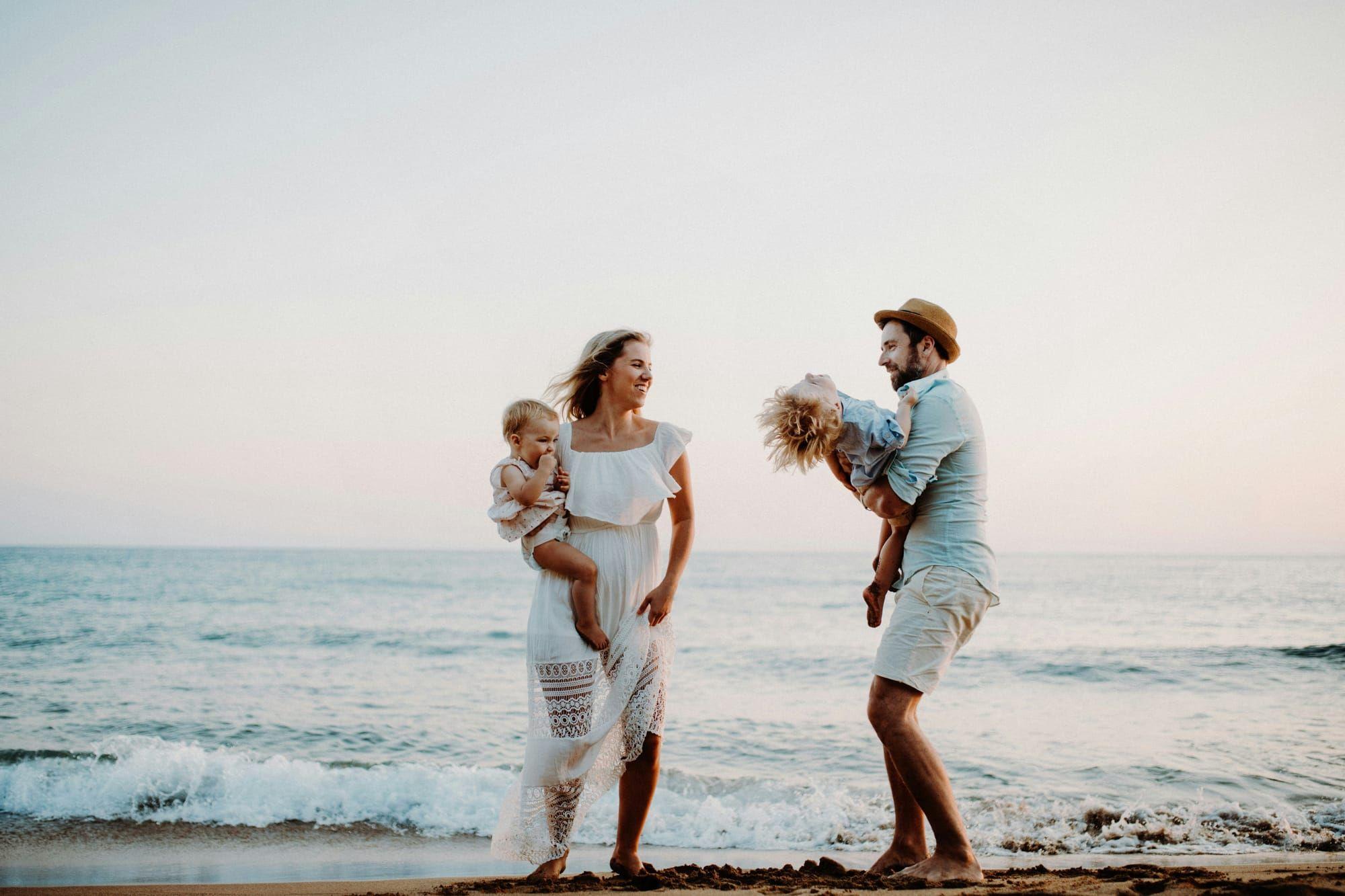
For those considering a second passport through St. Kitts and Nevis' Citizenship by Investment (CBI) program, one of the most valuable long-term benefits is the ability to pass citizenship down to future generations.
AR
Co-founder & CEO
Reading time: 6 minFeb 26, 2026 • 4:57 PM
For those considering a second passport through St. Kitts and Nevis' Citizenship by Investment (CBI) program, one of the most valuable long-term benefits is the ability to pass citizenship down to future generations.
This inheritance aspect creates a lasting legacy that extends well beyond your lifetime.
Key Takeaways
- St. Kitts & Nevis citizenship can be passed down indefinitely to future generations
- Children born to St. Kitts citizens automatically receive citizenship by descent
- Dependent children up to age 30 can be included in your initial CBI application
- Parents and grandparents aged 55+ can also qualify as dependents
- St. Kitts has the oldest and most established CBI program (since 1984)
Who Qualifies as a Dependent in Your Initial Application?
When applying for St. Kitts and Nevis citizenship through investment, you can include various family members as dependents. This is your first opportunity to extend citizenship benefits to your immediate family. According to the official guidelines, dependents in your application can include:
- Your spouse
- Children under 18 years of age
- Children aged 18-25 who are in full-time attendance at a recognized secondary or tertiary education institution and fully supported by the main applicant
- Children aged 18 or over who are physically or mentally challenged and fully supported by the main applicant
- Parents or parents-in-law aged 55 or over who live with and are fully supported by the main applicant
- Siblings under 30 who are unmarried, childless, and financially dependent on the main applicant
This broad definition of dependents makes St. Kitts and Nevis one of the most family-friendly citizenship programs in the Caribbean.
Investment Options to Secure Citizenship
To obtain St. Kitts and Nevis citizenship, you must choose one of these investment pathways:
- Sustainable Island State Contribution (SISC): A non-refundable donation of $250,000 for a single applicant, with additional contributions for family members ($50,000 for each qualifying dependent over 18 and $25,000 for each dependent under 18)
- Real Estate Investment: Purchase approved real estate valued at a minimum of:
- $325,000 in an approved development
- $325,000 for a condominium
- $600,000 for a single-family dwelling
- Public Benefit Option: A $250,000 donation
Each option has different holding requirements and benefits, but all provide the same citizenship rights that can be passed to future generations.
Passing Citizenship to Children Born After You Become a Citizen
Once you've obtained your St. Kitts and Nevis citizenship, any children born to you afterward automatically receive citizenship by descent. This is a straightforward process that requires:
- Registering the birth with St. Kitts and Nevis authorities
- Providing proof of your citizenship
- Completing the necessary documentation for your child's passport
This citizenship by descent is equivalent to citizenship by investment or birth in terms of rights and privileges.
Multi-Generational Benefits: Grandchildren and Beyond
One of the most significant advantages of the St. Kitts and Nevis program is that citizenship can be passed down indefinitely to future generations. This means:
- Your grandchildren automatically qualify for citizenship by descent
- Great-grandchildren and subsequent generations also qualify
- Each generation maintains full citizenship rights and benefits
This creates a perpetual asset for your family, providing global mobility, business opportunities, and a potential safe haven for generations to come.
The Registration Process for Future Generations
To ensure citizenship passes smoothly to future generations, follow these key steps:
- Register births promptly: All children born to St. Kitts and Nevis citizens should have their births registered with the appropriate authorities
- Maintain proper documentation: Keep citizenship certificates, passports, and other relevant documents safely stored and accessible
- Understand renewal requirements: Ensure each generation renews their passports and maintains their connection to St. Kitts and Nevis
- Consider legal advice: Work with immigration specialists who understand the nuances of citizenship by descent
Benefits of St. Kitts Citizenship for Future Generations
Your descendants will enjoy numerous advantages as St. Kitts and Nevis citizens:
- Global mobility: Visa-free access to 157 countries and territories including the UK, EU Schengen states, and many key business destinations
- Tax advantages: No income tax, capital gains tax, wealth tax, or inheritance tax in St. Kitts and Nevis
- Political stability: A stable democratic system with strong ties to the Commonwealth
- Education and career opportunities: Enhanced access to international universities and global career options
- Quality of life: Access to the beautiful Caribbean lifestyle whenever desired
Why Choose St. Kitts Over Other Caribbean Programs?
While several Caribbean nations offer citizenship by investment, St. Kitts and Nevis stands out for several reasons:
- Established program: Founded in 1984, it's the world's oldest CBI program with a proven track record
- Strong reputation: Widely recognized and respected globally
- Passport quality: Offers access to 157 countries (more than other Caribbean options)
- 10-year passport validity: Longer than the 5-year validity offered by most competitors
- Accelerated application option: Available for those needing expedited processing
Final Thoughts: Creating Your Family Legacy
Obtaining St. Kitts and Nevis citizenship is more than just acquiring a second passport—it's establishing a multi-generational asset that can benefit your family for decades or even centuries to come. By understanding the inheritance aspects of this citizenship program, you're creating opportunities and security for children, grandchildren, and beyond.
The ability to pass citizenship down indefinitely makes your investment more valuable with each new generation, providing your descendants with options that may prove invaluable in an increasingly uncertain world.
For families looking to diversify their citizenship portfolio and create lasting benefits, St. Kitts and Nevis offers one of the most attractive and sustainable options available today.
Frequently Asked Questions
Does my child automatically become a citizen if I obtain St. Kitts citizenship through investment? If your child qualifies as a dependent at the time of your application, they will receive citizenship simultaneously with you. For children born after you become a citizen, they automatically qualify for citizenship by descent.
Is there a difference between citizenship obtained through investment and citizenship by descent? In terms of rights and benefits, there is no difference. Both types of citizens enjoy the same privileges, including the ability to pass citizenship to their children.
Do my children need to live in St. Kitts to maintain citizenship? No, there is no residency requirement to maintain St. Kitts and Nevis citizenship, neither for you nor for future generations.
Can citizenship be lost or revoked for future generations? Citizenship can only be revoked in exceptional circumstances, such as fraud in the application process or serious criminal offenses. Normal use of citizenship passes securely through generations.
What documentation will my children need to prove their citizenship by descent? They will need your citizenship certificate, their birth certificate showing you as a parent, and possibly additional documentation verifying the family relationship.