Best Second Passports for Vietnamese Citizens in 2026
Best Second Passports for Vietnamese Citizens in 2026
Vietnam is minting new wealth faster than almost anywhere in Asia, and in 2025 it quietly loosened its single-nationality rules. The best second passport options for Vietnamese citizens in 2026, what changed in the law, and what each route costs.
Reading time: 10 minSep 29, 2026 • 2:46 PM
Share
Vietnam is minting new wealth faster than almost anywhere in Asia, and in 2025 it quietly loosened its single-nationality rules. The best second passport options for Vietnamese citizens in 2026, what changed in the law, and what each route costs.
Here's a statistic the CBI industry has known for years: Vietnamese buyers rank among the most active investment-migration clients in the world. Vietnamese families were among the largest users of the US EB-5 program at its peak. Vietnamese demand helped sustain half the golden visa programs in Europe. This isn't a new idea I'm introducing to Vietnam. Vietnam figured it out ahead of most of the world.
The reason is simple. Vietnam's economy has created enormous private wealth in one generation, factories, real estate, tech, trade, and that wealth sits behind a passport that opens about 55 doors, a currency that isn't freely convertible, and a legal system where the rules on everything, including money leaving the country, are decided by one party.
I've been saying this for years. Cash is king. But passport is queen.
Vietnamese entrepreneurs have proven they understand the king part: the offshore holdings, the Singapore accounts, the second homes in Ho Chi Minh City and beyond. The queen is the piece that makes the rest usable anywhere, on any timeline, no matter what changes at home.
Why Vietnamese citizens need a Plan B passport
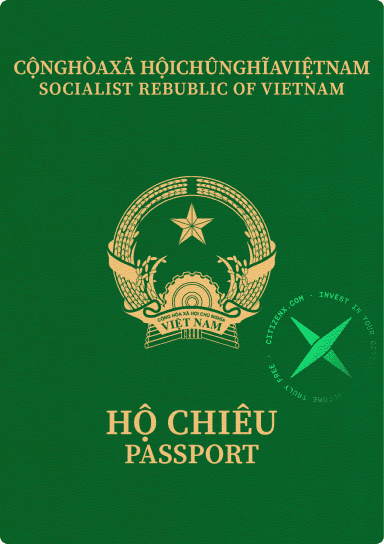
The Vietnamese passport reaches roughly 55 destinations without a visa, mostly ASEAN plus a scattering elsewhere. No Schengen, no UK, no US, no Japan, no Korea without paperwork. For business families operating across Asia and selling to the West, that's a visa application before almost every meaningful trip, with the fees, waits, and rejection risk that come with it.
The structural argument runs deeper. Vietnam's growth story is real, and I'm not here to talk anyone out of it. But consider what you're concentrated in if you're wealthy and Vietnamese: a currency under exchange controls, where moving personal capital abroad legally requires fitting into approved categories; an economy whose export model depends on trade politics decided in Washington and Beijing; and a system where campaign-style crackdowns can reach very high before anyone sees them coming. Ask the property tycoons of 2022-2023 how quickly fortunes and freedom can be re-evaluated. Several of Vietnam's richest people found out.
None of that means leaving. Most wealthy Vietnamese have no intention of leaving, and the smart ones are doubling down on Vietnamese growth. It means the family's legal status and mobility shouldn't be a single point of failure while they do.
There's also conscription: Vietnamese men from 18 to 25 (27 with deferrals) owe two years of military service, selected by call-up. Enforcement is uneven and exemptions are many, but the obligation sits there in law, and it's one more thing a family with sons thinks about.
The 2025 nationality reform: the door opened
For years, the awkward part of this conversation with Vietnamese clients was the single-nationality principle. Vietnamese law recognized one citizenship, with narrow exceptions, and acquiring a foreign passport lived in a gray zone.
That changed meaningfully on July 1, 2025, when the amended Law on Vietnamese Nationality took effect. The reform was designed to court the diaspora and global talent, and it moved the system decisively toward tolerated dual nationality: foreigners can now naturalize while keeping their original citizenship with presidential approval, overseas Vietnamese can reclaim nationality through simplified procedures, and the whole framework treats holding two passports as something to manage rather than punish. The hard single-nationality line survives mainly for sensitive state positions: party posts, security forces, civil service.
For a private businessperson, the practical meaning is that the legal risk around a second citizenship has dropped substantially. It's not Germany-style unconditional freedom, and the details matter, so run your specific situation past Vietnamese counsel before filing anything. But the direction of the law is unmistakable, and it's in your favor. Vietnam wants its global citizens connected, not exiled.
How citizenship by investment works
The mechanics are simple. You make a qualifying contribution to a country, usually a government fund donation or a real estate purchase, and receive citizenship and a passport in return. Programs are run by sovereign governments, vetted by international compliance firms, and recognized worldwide. Due diligence, background checks, an interview at the Caribbean programs, and three to eight months later you're a citizen.
Vietnamese applicants are accepted at every major program, and the industry knows Vietnamese files well after two decades of demand. The recurring practical issue is funding: Vietnam's foreign exchange controls don't have a category for "citizenship donation," so applications are typically funded from assets already offshore, business proceeds abroad, Singapore accounts, foreign company dividends. If your wealth is entirely onshore in dong, the sequencing conversation with a cross-border advisor comes first.
Investment amounts in 2026 run from about 90,000 USD to 250,000 USD and up, plus fees.
Sao Tome and Principe: the value play
Sao Tome and Principe is a small island nation off Central Africa whose program launched in August 2025, with donations from about 90,000 USD for a single applicant. The cheapest credible second citizenship on the market.
The passport covers roughly 70 destinations, a modest but real upgrade over Vietnam's 55. What you're buying at this price is the insurance layer: a second legal identity from a neutral country, held quietly, upgradeable later. For a Vietnamese family that wants the option established without Caribbean pricing, it's the sensible first look. Young program, slower early processing, price it in.
Vanuatu: the fastest option
Vanuatu has run its program since 2017 with deep experience in Asian markets. All-in costs start around 130,000 to 135,000 USD for a single applicant, and approval can arrive in one to two months.
Two things to know. Vanuatu lost EU and UK visa-free access, so it won't solve your Schengen problem. And it charges no income, wealth, inheritance, or capital gains tax, which makes it a tidy building block for families restructuring around Singapore or Dubai. Buy it for speed and legal redundancy, not travel.
St Kitts and Nevis: the benchmark
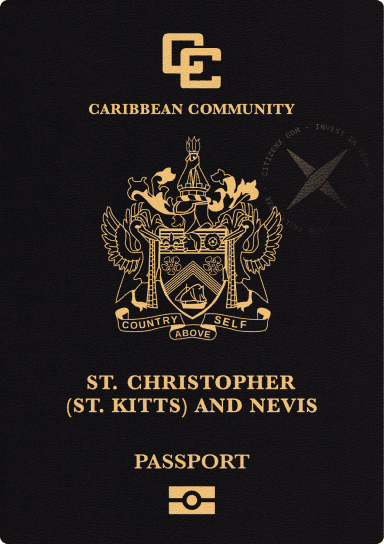
St Kitts and Nevis has run the world's original CBI program since 1984. The Sustainable Island State Contribution starts at 250,000 USD for a single applicant, real estate from 325,000 USD.
For a Vietnamese national this is the full transformation: roughly 150 to 160 destinations visa-free, including the UK, all of Schengen, Singapore, Hong Kong, and Korea. The trade-fair circuit in Europe, the supplier visits, the kids' university tours, all of it stops requiring embassy appointments. Four to six months of processing, the industry's most established due diligence, premium price for the premium document.
Other Caribbean options worth considering
Dominica starts at 200,000 USD. About 140 visa-free destinations including Schengen, and a well-run program with a long record. The value route to visa-free Europe, and where I'd point most cost-conscious Vietnamese buyers who still want the real travel upgrade.
Grenada starts at 235,000 USD and brings two features Vietnamese clients care about: visa-free China, directly useful for anyone in cross-border trade, and the US E-2 treaty investor route. Vietnam has no E-2 treaty, so Grenada is the standard workaround for Vietnamese entrepreneurs wanting a US operating base, with the now-familiar caveat that US rules require three years of Grenada domicile before investment-acquired citizenship supports an E-2 filing. Plan it as a medium-term play and get current US immigration advice.
Antigua and Barbuda starts at 230,000 USD and tends to win on per-person cost for larger families. About 150 destinations, with a five-day visit required within the first five years.
El Salvador: the million-dollar outlier
Since late 2023, El Salvador has offered citizenship for a 1 million USD contribution paid in Bitcoin or USDT, processed in six to eight weeks, capped at 1,000 applicants a year. The passport reaches about 135 destinations including Schengen and the UK.
For most Vietnamese buyers this loses on math to St Kitts by a wide margin. The person it fits is specific: crypto-native wealth, a desire for maximum speed, and indifference to price. Vietnam has one of the highest crypto adoption rates in the world, so that person exists here more than most places. If it's you, it's a real program. If not, the Caribbean gives you a stronger passport for a quarter of the cost.
The strategic framework: how to think about this
Start with what the second passport needs to do.
If it needs to fix travel, and for most Vietnamese business families that's the daily pain, go Caribbean: Dominica for value, St Kitts for the benchmark document, Antigua for big families.
If it needs to support a US ambition, Grenada, planned properly around the domicile rule.
If it needs to exist quickly and quietly as pure insurance, Vanuatu for speed or Sao Tome for price.
Then sequence the Vietnamese side: counsel's view on your situation under the amended nationality law, and a funding plan that uses offshore assets cleanly. The 2025 reform turned this from a legally awkward project into a manageable one, but manageable still means managed.
One more thought. Vietnamese families spent the 2010s buying residencies, EB-5, golden visas, Australian and Canadian programs, and many of those routes have since slowed, repriced, or closed. Citizenship by investment is the more durable version of the same instinct: permanent, heritable, and not subject to a host country's changing immigration politics. The families who pivoted from buying visas to buying citizenship are ahead of the curve.
What the process actually looks like
Choose the program, then build the file. Clean criminal record, source of funds documented end to end. Vietnamese business wealth papers well when the records are organized: company registrations, dividends, property sales, tax filings. The funding path from offshore accounts should be clean and explainable.
Applications go through an authorized agent: forms, documents, medical, photos, funds, then due diligence and an interview at the Caribbean programs. Processing runs from about six weeks at Vanuatu to six months or more elsewhere.
Beyond the investment, budget due diligence fees (5,000 to 10,000 USD per applicant), agent fees, government processing, and legal costs, plus Vietnamese legal advice on the nationality question. For a family, add 20,000 to 50,000 USD to the headline figure.
What I'd do if I were a wealthy Vietnamese national
Specifics, because vague advice is useless.
If I were Vietnamese with a net worth above 50 billion dong and assets already offshore, here's my next 90 days.
Get a written opinion from Vietnamese counsel on my position under the amended nationality law. The reform is new and its application is still settling; I want my file on the right side of it from day one.
Start a Dominica or St Kitts application for the family, funded from offshore holdings. If China business matters or the US is in the plan, price Grenada instead.
If my sons are approaching 18, factor the military service question into timing and get specific advice rather than assumptions.
Keep building in Vietnam. The whole point of the second passport is that it lets you stay invested in a high-growth, high-control market with your family's options intact. Optionality isn't a bet against Vietnam. It's what makes the bet on Vietnam safe to keep making.
The bottom line
Vietnam's wealthy have been the CBI industry's quiet power buyers for a decade, and in 2025 Vietnamese law finally started catching up with what its own citizens were already doing. The legal risk is down, the programs are open, and the gap between a 55-destination passport and a 155-destination one is the same as it ever was.
Cash is king. But passport is queen. Vietnam's last twenty years created the cash. The next move is the one that protects it.
The families who filed early got better prices and easier rules than the ones who waited. That pattern hasn't broken yet. Don't be the one who tests it.
This article is for informational purposes only and does not constitute legal, tax, or immigration advice. Vietnam's amended nationality law took effect July 1, 2025 and its application continues to develop; consult qualified Vietnamese counsel before acquiring a foreign nationality.
CitizenX helps high-net-worth individuals secure second citizenships and build sovereign lifestyles. Contact us to discuss your Plan B.