10 Crypto Tax-Free Countries in Asia for 2026 (Crypto Tax Havens)
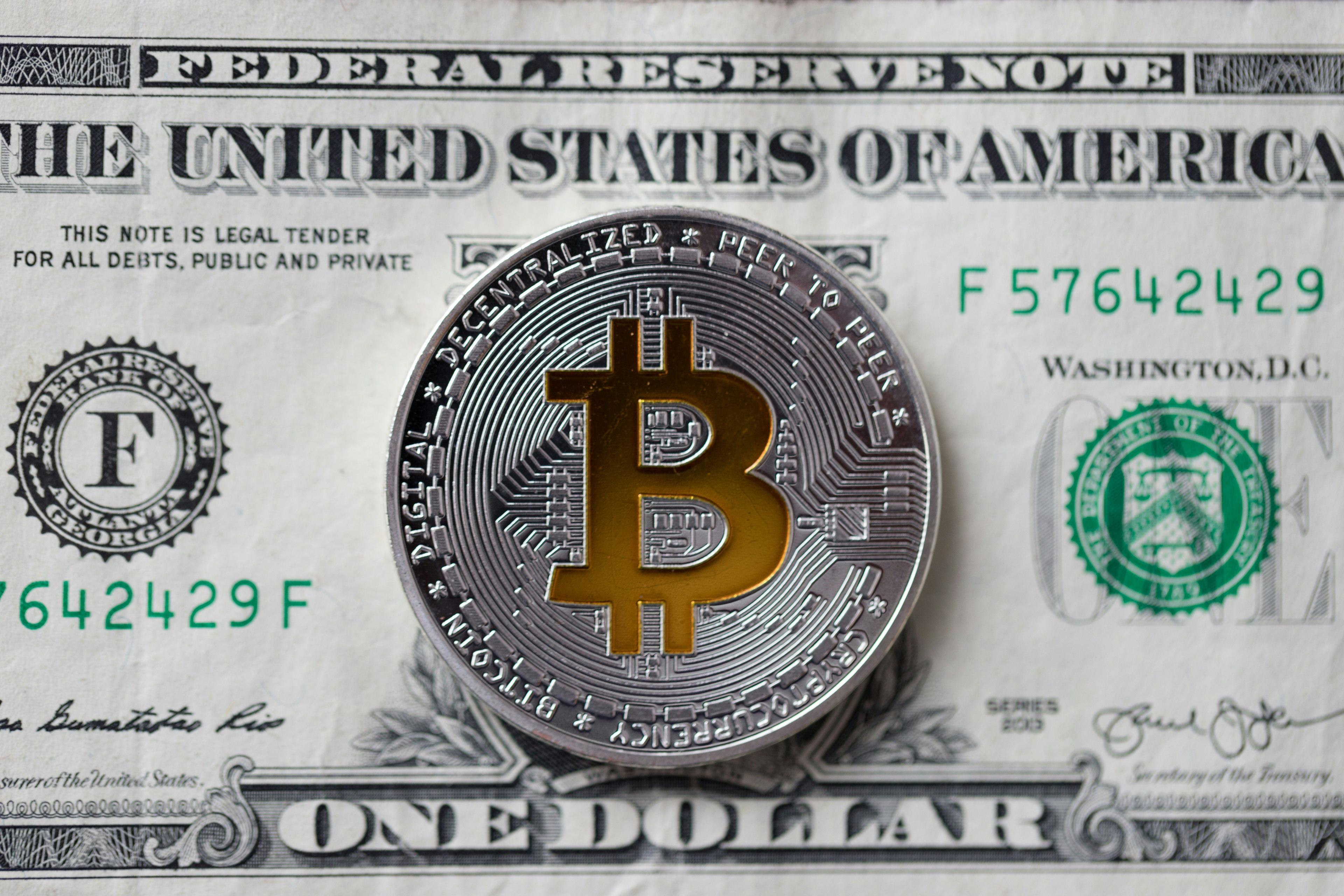
iscover the 10 best crypto tax-free countries in Asia in 2026, from the UAE and Singapore to Hong Kong, Thailand, and Georgia, with 0% or exempt crypto gains for individuals.
SM
Head of Private Clients
Reading time: 11 minJul 12, 2026 • 5:31 PM
Asia has quietly become the center of gravity for crypto capital. It holds the world's busiest trading hubs, the deepest retail adoption, and a cluster of jurisdictions where an individual can realise crypto gains at 0%. For an investor or founder deciding where to base themselves, the combination of light tax, real infrastructure, and clear licensing is stronger here than almost anywhere else.
This guide ranks the ten best crypto tax-free countries in Asia for 2026, focused on what matters to crypto investors: no tax on individual crypto gains, or a clear exemption, alongside a functioning regulatory framework. Every rule has been checked against the current 2025–2026 position, which matters because crypto tax is one of the fastest-moving areas of law anywhere. Treat this as a map, not advice, and take professional guidance before you move, because how you trade often decides whether your gains stay tax-free.
What makes a jurisdiction crypto tax-free
Across Asia, "tax-free" usually means one of two things. Either the country charges no capital gains tax at all, as the Gulf states do, so crypto gains are simply untaxed, or it runs a territorial system that leaves foreign-sourced gains outside the net. A third group, including Singapore, Hong Kong, and Malaysia, does not tax genuine investment gains but does tax crypto activity that amounts to a trade or business.
That last distinction is the one that catches people out. In much of Asia, buying and holding is treated as tax-free investment, while frequent, organised trading can be reclassified as taxable business income. The ranking below weighs the tax treatment, the regulatory clarity, and how livable each place actually is.
1. United Arab Emirates: the region's crypto capital
The UAE is the standout. Individuals pay 0% personal income tax and 0% capital gains tax, so crypto profits are untaxed whether you trade, stake, or hold. On top of that sits real regulation: Dubai's Virtual Assets Regulatory Authority, the frameworks in the ADGM and DIFC, and the DMCC Crypto Centre, which together make the country a genuine operating base rather than just a tax haven. A 9% corporate tax applies to businesses above a threshold, but the personal position is a clean zero.
Add a renewable Golden Visa, deep banking, and a dense community of funds and exchanges, and the UAE is the default first stop for anyone serious about crypto in Asia. Our UAE Golden Visa guide covers the residency routes that let you make it your tax home.
2. Singapore: the institutional hub
Singapore does not impose capital gains tax, so an individual's long-term crypto gains are untaxed. It is Asia's premier financial center, with a clear licensing regime under the Monetary Authority of Singapore and a dense ecosystem of exchanges, funds, and blockchain projects. For institutional and serious private investors, the mix of zero capital gains and regulatory credibility is hard to match.
The caveat is that Singapore taxes income, and crypto activity carried on as a business or profession can be assessed as trading income. Genuine investors are fine; those running high-frequency operations should take advice. Cost of living is high, but for a credible, well-regulated base with no capital gains tax, Singapore sits near the top.
3. Hong Kong: territorial and untaxed on foreign gains
Hong Kong runs a pure territorial system, so it charges no capital gains tax and leaves foreign-sourced crypto gains entirely outside its net. Genuine long-term investment gains are not taxed. The city has built a mandatory licensing regime for trading platforms under its securities regulator, and it has moved to extend its profits-tax exemption for funds to cover virtual assets from around 2026, deepening its appeal to institutional money.
As with Singapore, the line to watch is trade versus investment: crypto activity that amounts to a business can face profits tax at 8.25% on the first slice and 16.5% above it. For an investor holding for the long term, though, Hong Kong remains one of the best-structured low-tax bases in the region, with deep financial plumbing behind it.
4. Thailand: a five-year crypto tax holiday
Thailand has made an aggressive bid to become Southeast Asia's digital asset hub, and the headline is a genuine tax break. From 1 January 2025 to 31 December 2029, individuals pay no personal income tax on capital gains from selling digital assets through platforms licensed by the Thai Securities and Exchange Commission. Combined with high adoption and a clear regulatory framework, that makes Thailand unusually attractive for the next few years.
The details matter. The exemption covers personal capital gains realised on licensed Thai platforms, so private peer-to-peer deals, and income from staking, mining, or a business, may fall outside it. Thailand's Long-Term Resident visa adds a practical relocation route. For an investor who structures trades through licensed venues, this is one of the most compelling windows in Asia, though it is time-limited by design.
5. Malaysia: no tax on holding
Malaysia does not impose capital gains tax, so an individual who buys and holds crypto and later sells at a profit is generally not taxed. There is no crypto-specific tax for genuine investors, and the country has a clear regulatory perimeter under its Securities Commission, with licensed local exchanges and growing adoption.
The boundary is the same as its neighbours: active, organised trading can be treated as taxable business income under the "badges of trade" test. For a long-term holder living in Kuala Lumpur, though, Malaysia offers a low-cost, English-friendly base with no tax on investment gains, which makes it one of the best-value options in the region.
6. Georgia: 0% for individuals, and a mining base
Georgia is one of the most tax-efficient places in the world for individual crypto holders. Under its territorial system, gains that individuals make from buying and selling crypto are treated as foreign-source and are not subject to personal income tax, so the effective rate is 0%. Cheap hydroelectric power has also made it a significant mining hub, and its free industrial zones offer further exemptions for qualifying businesses.
Tax residency is straightforward, and the country has introduced a registration framework for virtual asset service providers to align with international standards. For a location-independent investor or founder who wants a low-cost base at the crossroads of Europe and Asia, Georgia is one of the strongest picks on this list.
7. Bahrain: the Gulf's regulated 0% option
Bahrain pairs a clean zero-tax position with the most developed crypto rulebook in the Gulf outside the UAE. Individuals pay no personal income tax and no capital gains tax, and the Central Bank of Bahrain runs a comprehensive licensing regime for crypto-asset services, having granted the region's first major exchange licence back in 2022. That combination of no tax and real regulation is rare.
Smaller and more relaxed than Dubai, Bahrain suits investors who want Gulf tax treatment and a credible regulator with a lower cost base. Its proximity to Saudi Arabia, the region's largest market, adds to its appeal as a regional hub for digital asset businesses.
8. Kazakhstan: the mining giant goes crypto-friendly
Kazakhstan is one of the world's largest crypto mining bases, powered by cheap energy, and it has been steadily building a legal home for the sector around the Astana International Financial Centre, where licensed exchanges can operate. In late 2025 it liberalised its rules, removing restrictive classifications on mining, and a 2026 decree moved to exempt individual income earned from crypto transactions from tax while adding further incentives.
The picture is still evolving, and mining businesses have faced their own levies, so this is a jurisdiction to enter with current advice. But the direction is clearly toward a more open, lower-tax regime, and for miners and investors drawn to its energy costs and the AIFC framework, Kazakhstan is an increasingly serious option.
9. Turkey: high adoption, no specific crypto tax
Turkey has one of the highest rates of crypto adoption in the world, driven by a population that uses digital assets as a hedge, and at present it imposes no specific tax on individual crypto gains. That absence of a dedicated crypto capital gains tax, combined with a huge and liquid market spanning Europe and Asia, makes it a natural base for active users. The country has built out anti-money-laundering and licensing rules for exchanges in recent years.
The caution is that this could change. The government has floated transaction-based levies on crypto that were not ultimately enacted, so the favourable position should not be assumed permanent. For now, Turkey combines scale, liquidity, and a light tax touch that few large economies can rival.
10. Brunei: quiet and zero-tax
Brunei rounds out the list on the strength of its tax position: it charges individuals no personal income tax and no capital gains tax, so crypto profits are untaxed at the personal level. Crypto is not specifically regulated, and the monetary authority has cautioned that it is not legal tender, but there is no ban, and the underlying zero-tax status is as clean as anywhere in the region.
Brunei is small, with a limited ecosystem, so it suits someone with a genuine connection to the country or the region rather than the general investor. It earns its place as one of the few Asian jurisdictions where individuals simply pay no tax on their gains.
How to choose the right crypto base in Asia
The best crypto tax-free country in Asia depends on how you use crypto and how you want to live. A few rules of thumb help.
If you want an outright zero with real regulation and lifestyle, the UAE leads, with Bahrain the lower-cost Gulf alternative. If you are an institutional or long-term investor who values a top-tier financial center, Singapore and Hong Kong deliver no capital gains tax alongside credibility, as long as your activity is genuine investment rather than a trading business. If you want value and a relaxed base, Malaysia and Georgia are hard to beat, and Georgia adds a 0% individual rate and a mining angle. And if you are willing to trade through licensed venues, Thailand's exemption is a strong, if time-limited, opportunity.
Two cautions apply throughout. The trade-versus-investment line decides your tax in several of these countries, so how often and how professionally you trade matters as much as where you live. And tax residency requires genuine relocation, not just a visa, so plan the move properly.
The bigger picture: the tax-free window is being watched
The regimes above are attractive today, but the global machinery for taxing and tracking crypto is tightening, and Asia is not exempt.
The clearest signal is transparency. The OECD's Crypto-Asset Reporting Framework, and equivalent rules, will see exchanges automatically report user data across borders from 2026, which makes undeclared gains far harder to hide wherever you live. Licensing regimes are spreading, from Hong Kong's mandatory platform rules to Kazakhstan's AIFC framework, bringing oversight even where tax stays low. And some doors are narrower than they look: Qatar and Kuwait prohibit crypto trading outright despite their zero-tax headlines, and Thailand's exemption is explicitly time-limited to 2029.
None of this makes Asia a high-tax region for crypto. It does mean the combination of 0% tax and light oversight is being steadily replaced by 0% tax with real reporting and licensing. The practical takeaway is to base yourself somewhere that is both low-tax and properly regulated, rather than betting on jurisdictions where the rules could snap shut.
Build your crypto residency and citizenship strategy with CitizenX
Choosing where to hold and realise your crypto is one piece of a larger plan. The strongest setups pair a low-tax base with the right residency, and often a second citizenship, so your gains stay light and your options stay open as the rules evolve.
Explore residency and citizenship programs on CitizenX to compare your options, see transparent pricing, and find the route that fits your goals. If you are building around a crypto-friendly base, our UAE Golden Visa guide and our overview of citizenship by investment are useful next reads.
Frequently asked questions
Which Asian country is best for crypto tax? The UAE is the strongest all-round choice, with 0% personal income and capital gains tax plus real regulation through VARA and the DMCC Crypto Centre. Bahrain offers a similar zero-tax position at a lower cost, and Georgia gives individuals a 0% rate through its territorial system.
Do Singapore and Hong Kong tax crypto? Neither charges capital gains tax, so genuine long-term investment gains are untaxed. However, both can tax crypto activity that amounts to a trade or business as income, so frequent professional trading may be taxable.
Is crypto tax-free in Thailand? For now, largely yes. From 2025 to 2029, individuals pay no tax on capital gains from digital assets sold through Thai SEC-licensed platforms. The exemption is time-limited and does not automatically cover staking, mining, or private peer-to-peer trades.
Will these tax-free rules last? Not necessarily. Crypto tax is changing fast, global reporting rules take effect from 2026, and some exemptions, such as Thailand's, have end dates. Confirm the current position before relying on any of them.
This article is general information, not tax or legal advice. Crypto tax rules change frequently and vary by activity and individual circumstance. Always seek qualified cross-border advice before making decisions.
Related articles