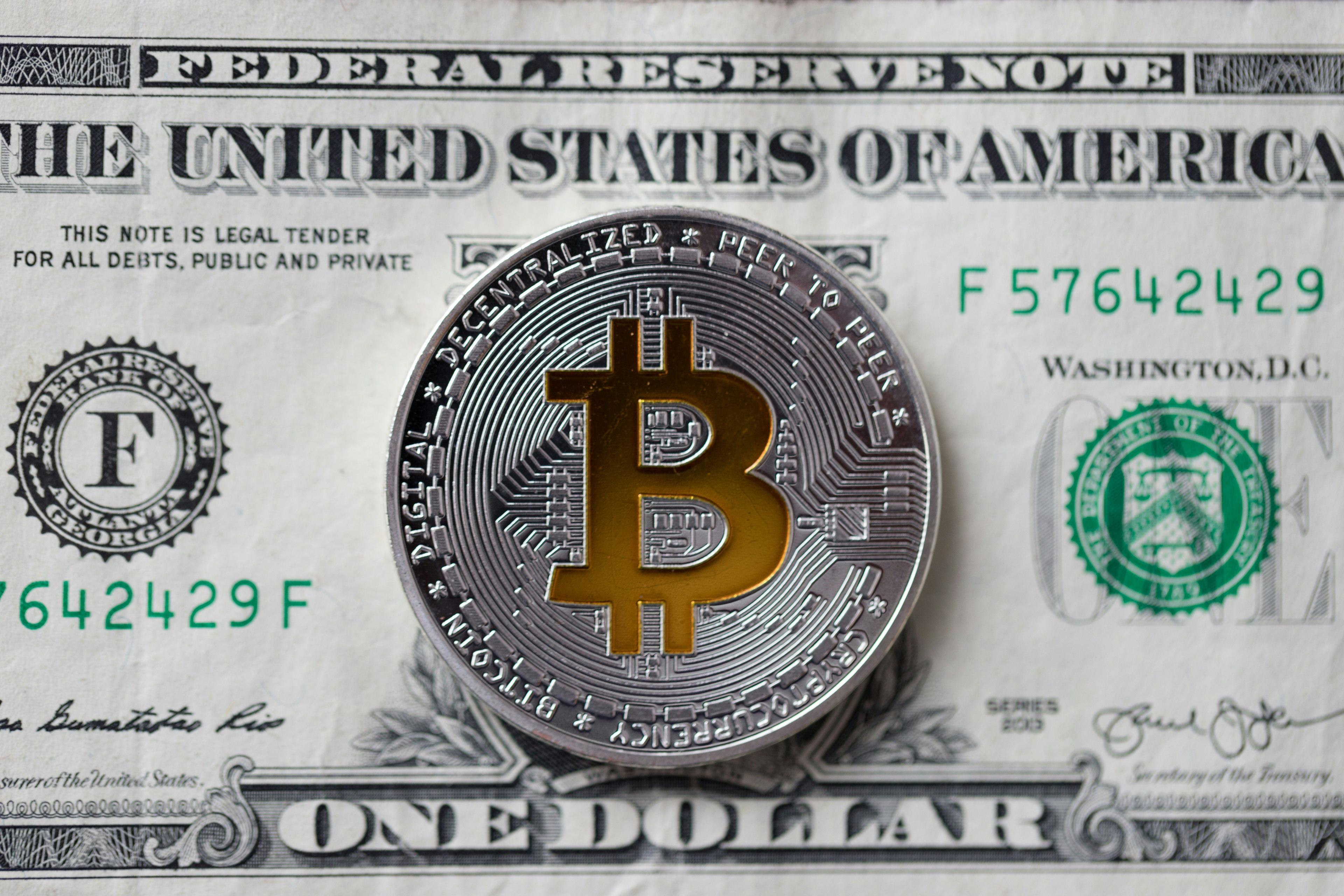
10 Crypto Tax-Free Countries in Europe for 2026 (Crypto Tax Havens)
10 Crypto Tax-Free Countries in Europe for 2026 (Crypto Tax Havens)
Discover the 10 best crypto tax-free countries in Europe in 2026, from Germany and Portugal's holding-period exemptions to Switzerland, Malta, and Monaco with 0% on crypto gains.
Europe is not the obvious place to look for tax-free crypto, given its reputation for heavy taxation. Yet several European countries let individuals cash out crypto at 0%, whether by exempting long-held coins, treating private investors' gains as tax-free, or simply not charging capital gains tax at all. For an investor who wants to stay in Europe, close to family, markets, and the EU, the options are better than most people expect.
This guide ranks the ten best crypto tax-free countries in Europe for 2026, focused on what matters to crypto investors: no tax on individual crypto gains, or a clear exemption, alongside workable regulation. Every rule has been checked against the current 2025–2026 position, which matters more than ever now that the EU's MiCA framework is live and new reporting rules are landing. Treat this as a map, not advice, and take professional guidance before you move, because holding periods and trading frequency often decide whether your gains stay tax-free.
What crypto tax-free means in Europe
Europe's tax-free routes come in three flavours. The first is the holding-period exemption, pioneered by Germany and copied by others, where crypto held beyond a set period can be sold with no tax. The second is the private-investor exemption, as in Switzerland, where gains on private wealth are tax-free while professional trading is taxed. The third is the outright absence of capital gains tax, as in Monaco and, for long-term holdings, Malta.
The common thread is that Europe rewards patient holding and penalises frequent trading. Sell after the qualifying period, or as a genuine private investor, and you can pay nothing. Trade actively as a business, and most of these countries will treat your profits as taxable income. The ranking reflects that, along with how livable and well-regulated each place is.
1. Germany: 0% after one year
Germany is the surprise leader. Despite its high overall tax burden, it treats cryptocurrency as private money, which means an individual who holds a coin for more than one year can sell it completely tax-free. There is no cap on the gain. Sales within a year are taxed at income rates if they exceed a small annual allowance, so the strategy is simply to hold past the twelve-month mark.
For a long-term investor, that is one of the most generous treatments in any major economy, and it comes with a deep ecosystem of regulated exchanges, crypto-friendly banks, and a busy Berlin startup scene, now overseen under the EU's MiCA regime. Reforms to the one-year rule have been debated, so confirm the current position, but as it stands Germany rewards patience with a clean zero.
2. Portugal: tax-free after 365 days
Portugal built a reputation as a crypto haven, and even after tightening its rules it remains one of Europe's most attractive bases. An individual who holds a crypto asset for 365 days or more pays 0% when selling it for fiat. Gains on assets held for less than a year are taxed at a flat 28%, and crypto-to-crypto trades are not themselves a taxable event, so you can rebalance without triggering tax.
Combined with a mild climate, a large expat and Web3 community centred on Lisbon, and EU residency, Portugal is a genuine lifestyle-and-tax package for long-term holders. The short-term rate means it rewards a buy-and-hold approach rather than active trading, which fits the profile of most serious investors.
3. Switzerland: 0% for private investors
Switzerland taxes crypto capital gains at 0% for private investors, treating gains on private movable wealth as tax-free under federal law. Home to "Crypto Valley" in Zug, it offers unrivalled banking, clear cantonal guidance, and a mature ecosystem of blockchain firms and crypto-friendly banks. For a private holder, gains on Bitcoin and other assets can be entirely untaxed.
Two caveats shape the picture. Switzerland levies an annual wealth tax that includes crypto holdings, generally at modest cantonal rates, and it taxes professional or habitual trading as income. For a private investor holding for the long term, though, the combination of 0% capital gains and Swiss stability is compelling, if expensive.
4. Malta: 0% on long-term holdings
Malta earned the nickname "Blockchain Island" by building an early, comprehensive regulatory framework, and its tax treatment favours long-term holders. Crypto held as a long-term store of value is generally not subject to capital gains tax when sold, so patient investors can realise gains at 0%. The island hosts major exchanges and a deep base of blockchain companies.
The distinction, again, is activity. If the authorities view your transactions as frequent or large enough to constitute trading, profits are taxed at personal income rates that can run from 15% to 35%. For an EU-based investor holding for the long term, Malta pairs a 0% outcome with English as an official language and a well-developed crypto sector.
5. Luxembourg: tax-free after six months
Luxembourg, one of Europe's leading financial centers, offers a holding-period exemption that is shorter than Germany's. Crypto held by an individual for more than six months can generally be sold free of capital gains tax, and only short-term gains and professional trading are taxed. That six-month threshold is among the most generous in the EU.
Backed by a sophisticated fund industry, regulatory clarity, and deep institutional infrastructure, Luxembourg suits investors who want an EU base with credibility and a quick route to tax-free realisation. It is small and expensive, but for those prioritising financial-sector depth alongside a light tax touch on longer holds, it is a strong option.
6. Monaco: no capital gains tax at all
Monaco charges residents no personal income tax and no capital gains tax, which means crypto profits are untaxed regardless of how long you hold or how often you trade. There is no holding period to satisfy and no trade-versus-investment line to worry about, which sets it apart from most of Europe. For high-net-worth crypto investors, that simplicity is valuable.
The cost of entry is the filter. Residency generally requires a substantial bank deposit and genuine local housing in one of the world's most expensive markets, and the crypto-specific ecosystem is thin. But the underlying position, a clean zero on all personal gains, on the Riviera and inside easy reach of Europe's financial capitals, is as good as it gets for those who can afford it. French nationals are the notable exception, remaining subject to French tax.
7. Gibraltar: a pioneer with no crypto tax
Gibraltar was among the first jurisdictions in the world to build a purpose-made framework for blockchain firms, launching its Distributed Ledger Technology regime in 2018. For individuals, it charges no capital gains tax and no tax on cryptocurrency transactions, so personal crypto gains are untaxed. As a British territory where English is the language and the legal system is familiar, it is an easy base for UK and international investors.
Businesses face a 12.5% corporate tax on Gibraltar-source income, and the territory sits outside the EU, but for a private crypto holder the tax position is clean. Its early regulatory clarity has made it a recognised home for crypto funds and exchanges, and it continues to extend its framework to new areas of the market.
8. Liechtenstein: comprehensive law, no private CGT
Liechtenstein passed one of the world's most complete crypto laws with its Token and Trusted Technology Service Providers Act, and it charges no capital gains tax on private wealth, so gains on security tokens and other crypto held privately are tax-free for individuals. The principality now runs a dual system, applying the EU's MiCA rules through its EEA membership while keeping its own token framework for what MiCA does not cover.
Backed by a stable, AAA-rated economy and crypto-friendly banks, it offers regulatory certainty that few places match. Business income, including from trading utility tokens, is taxed at the standard corporate rate, and new transparency rules are arriving, but for a private holder inside a serious legal framework, Liechtenstein is a premium option.
9. Slovakia: a low, flat rate for patient holders
Slovakia is not strictly zero, but its 2024 reform made it one of the friendlier crypto regimes in the EU. Crypto held for more than a year is taxed at a flat 7%, a fraction of ordinary income rates, and the health-insurance levy on crypto was scrapped. Shorter holdings are taxed at 19% or 25% depending on income, so the reform strongly rewards holding past the one-year mark.
For an EU-based investor who wants a low, predictable rate inside the eurozone and the Schengen Area, without the higher entry costs of Switzerland or Monaco, Slovakia is a genuine value option. It is the clearest example of a European country deliberately competing for crypto capital by cutting its rate rather than raising it.
10. Cyprus: still 0% for passive holders
Cyprus rounds out the list, with a nuance worth understanding. From 2026 it introduced a dedicated 8% tax on profits from crypto trading activity under a new statutory regime, but passive gains from personal crypto investments fall outside that regime and generally remain untaxed under its capital gains rules. So a genuine long-term holder can still realise gains at 0%, while active traders face a low 8% rather than full income tax.
Combined with its popular non-dom regime, English being widely spoken, EU membership, and an easy 60-day tax-residency route, Cyprus remains a strong Mediterranean base for crypto investors. The key is to understand which side of the passive-versus-trading line your activity falls on, and to plan accordingly.
How to choose the right crypto base in Europe
The best crypto tax-free country in Europe depends on how long you hold and how actively you trade. A few rules of thumb help.
If you are a patient, long-term holder, the holding-period exemptions win: Germany at one year, Portugal at 365 days, and Luxembourg at six months all deliver a clean 0% once you clear the threshold. If you want no holding period and no trading line at all, Monaco and Gibraltar simply do not tax personal gains, and Switzerland exempts private investors, though it adds a modest wealth tax. If you want an EU base with a low flat rate rather than zero, Slovakia's 7% and Cyprus's passive-holder treatment are the value picks, and Malta and Liechtenstein reward long-term holding inside strong regulatory frameworks.
Two cautions run through all of them. The line between investing and trading decides your tax in most of Europe, so frequency and scale matter as much as location. And becoming tax resident requires a genuine move, not just a purchase or a visa.
The bigger picture: Europe is tightening the net
The routes above are real, but the European direction of travel is toward more visibility and, in places, more tax.
The biggest change is transparency. MiCA now governs crypto service providers across the EU, and the DAC8 directive, together with the OECD's global reporting framework, will have exchanges automatically report user data to tax authorities from 2026. Undeclared gains are becoming far harder to hide, wherever you are resident. On rates, the trend is mixed but instructive: Slovenia introduced a flat 25% tax on crypto profits from 2026, ending its tax-free status, and Cyprus added its 8% trading tax, showing that even friendly jurisdictions are starting to carve out taxable categories.
None of this removes the genuine 0% routes, but it does mean they must be used properly and declared correctly. The safe approach is to base yourself somewhere that is both low-tax and clearly regulated, and to treat compliance as part of the plan rather than an afterthought.
Build your crypto residency and citizenship strategy with CitizenX
Choosing where to hold and realise your crypto is one piece of a larger plan. The strongest setups pair a low-tax base with the right residency, and often a second citizenship, so your gains stay light and your options stay open as the rules evolve.
Which European country is best for crypto tax?
It depends on your style. Germany, Portugal, and Luxembourg offer 0% once you hold past a set period. Monaco and Gibraltar charge no personal capital gains tax at all, and Switzerland exempts private investors. Long-term holders have several genuine zero options.
Is crypto really tax-free in Germany and Portugal?
For long-term holders, yes. Germany exempts crypto held over one year, and Portugal exempts crypto held 365 days or more when sold for fiat. Short-term sales are taxed in both, so the exemption rewards holding.
Does the EU's MiCA or DAC8 mean I will be taxed?
Not directly. MiCA is a licensing and consumer-protection framework, and DAC8 is a reporting rule that shares your transaction data with tax authorities from 2026. They do not set tax rates, but they make correct declaration essential.
Which European countries recently started taxing crypto?
Slovenia introduced a 25% flat tax on crypto profits from 2026, and Cyprus added an 8% tax on crypto trading activity, though Cyprus still leaves passive investment gains untaxed. This is why confirming the current rules matters.
This article is general information, not tax or legal advice. Crypto tax rules change frequently and vary by activity and individual circumstance. Always seek qualified cross-border advice before making decisions.