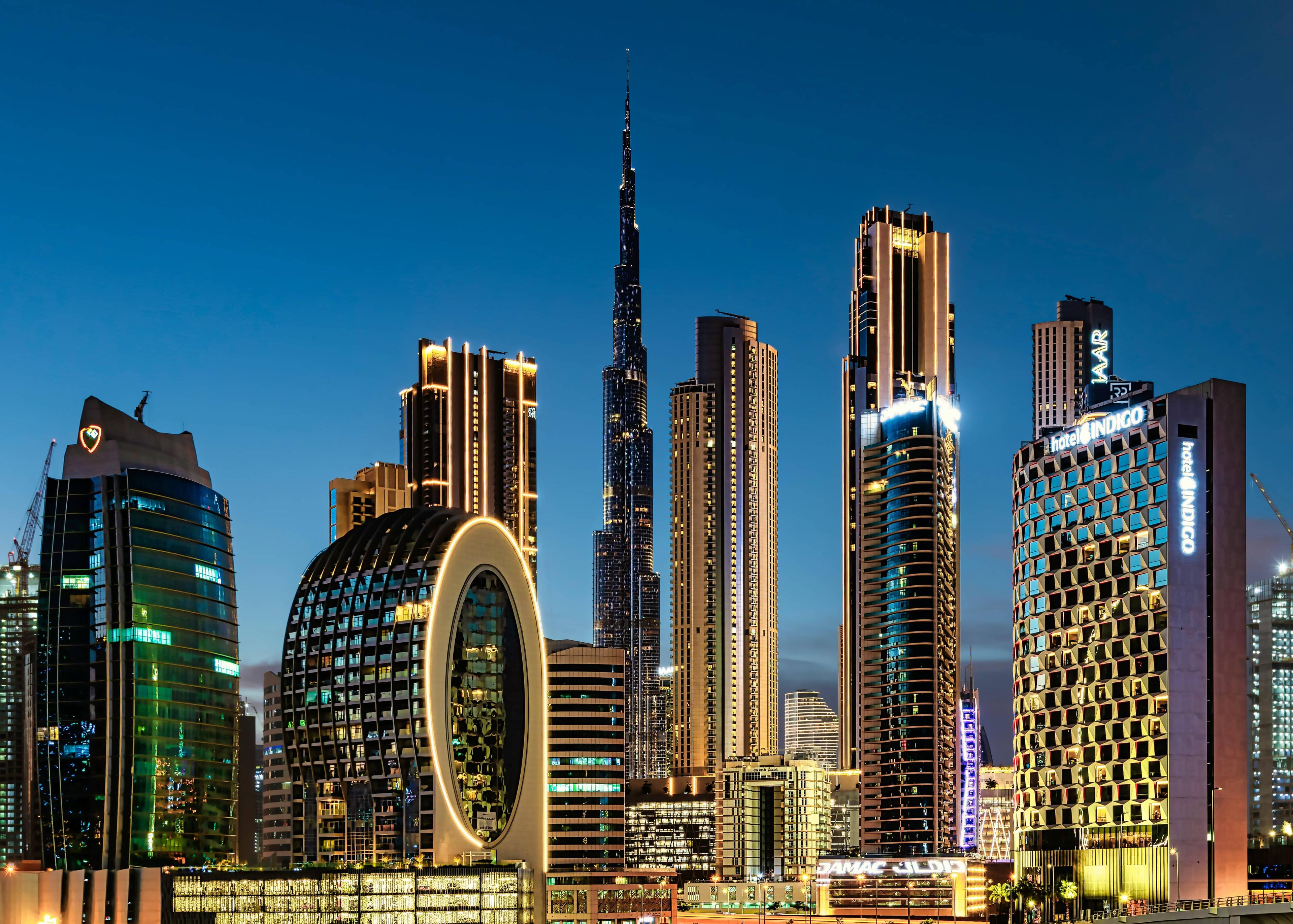
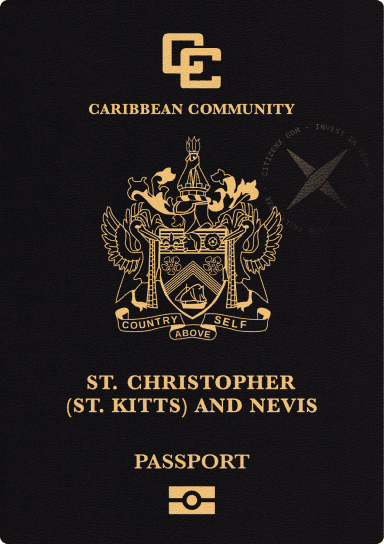
Dubai is full of residents who upgraded everything about their lives except the passport they arrived with. For UAE expats, a second citizenship is the missing layer between a great life and a permanent one. These are the best options in 2026.
Dubai is full of people who upgraded everything about their lives except the passport they arrived with. For UAE expats, a second citizenship is the missing layer between a great life and a permanent one. The best options in 2026.
Here's a thought experiment I run with clients in Dubai, and it lands every time. Take an inventory of your life: the villa in Jumeirah or the apartment in Marina, the company in the free zone, the kids at GEMS or Repton, the friends, the standard of living you couldn't replicate at home for triple the money. Now ask: which single document does all of it stand on?
A residence visa. Tied to your employment, your company, or, if you're one of the golden visa holders, to a permit that's longer but is still exactly that, a permit. The UAE has been generous with duration; ten-year visas changed real lives. What it almost never grants is the thing every expat quietly knows is missing: citizenship. You can spend thirty years in Dubai, raise children who've never lived anywhere else, and remain, in law, a guest, whose children inherit the guest status along with the memories.
And behind the visa sits the document you arrived with: the Indian, Pakistani, Egyptian, Lebanese, Filipino, Nigerian, South African passport that made you leave home in the first place, still governing where you can travel, how banks treat you, and where your family lands if the Gulf chapter ever ends.
I've been saying this for years. Cash is king. But passport is queen. Nowhere on earth is the gap between the two wider than among the wealthy expats of the UAE: world-class cash, and the same old queen.
Why UAE expats need a Plan B passport
Because the entire structure is conditional, and everyone here knows it even when nobody says it.
Your right to remain is tied to employment, business performance, or a permit category whose rules Abu Dhabi can revise. Almost nobody naturalizes; the 2021 opening for exceptional talent is real but numerically tiny. Retirement visas exist but are young and conditional. The honest description of expat life in the UAE, even at the golden visa tier, is: welcome as long as it works.
That's not a criticism of the UAE, which is upfront about the deal and delivers its side of it brilliantly. It's a design parameter for your planning. The question every expat family should answer on paper: if this ended in twelve months, for any reason, health, business failure, a rule change, a regional security event, where does the family legally stand, and on which passports?
For most, the answer is "back where we started," on documents that need visas for everywhere the family actually wants to go, into systems, Lebanese banks, Pakistani politics, Nigerian currency cycles, that the Gulf years were an escape from. The Dubai years built the wealth. They didn't, by themselves, build the permanence.
There's a second reason, more mundane and more constant: travel. The UAE residence visa smooths some things, but your passport still rules. The Indian executive who needs a Schengen appointment for every European trip, the Pakistani founder facing rejection-rate roulette, the Lebanese consultant whose document gets the long look at every counter. You live a global life on a local document, and you feel it monthly.
Why the UAE is the easiest place on earth to fix this
Here's the part that should tilt you from thinking to acting: you're sitting in the global capital of the solution.
The UAE is where the citizenship-by-investment industry actually operates. The agents, the program representatives, the biometric appointments, the compliance firms: Dubai is their hub. Several programs run their regional offices here. El Salvador planned consulate expansion here for exactly this clientele.
Better still, your UAE years are themselves the asset. CBI due diligence runs on documentable, formal-banking wealth, and years of Emirates NBD statements, audited free-zone accounts, and UAE tax residence certificates are precisely what compliance teams want to see. Expats whose home-country paperwork would be a nightmare clear smoothly on the strength of their Gulf records. And for restricted nationalities, some programs' conditions turn on long-term residence outside the home country, which your UAE decade satisfies.
One essential note: your eligibility is governed by your citizenship, not your residency. Indians and Pakistanis should check their home country's dual-citizenship rules (India bans dual citizenship outright, making the strategy a swap-or-family-split decision; Pakistan permits it with listed countries). Lebanese, Egyptians, Filipinos, Nigerians, and South Africans have friendlier home rules. The UAE itself doesn't care what second passports its residents hold; your home capital might. Get that piece advised for your specific nationality.
How citizenship by investment works
The mechanics are simple. A qualifying contribution to a country, usually a government donation or real estate purchase, in exchange for citizenship and a passport. Sovereign programs, international compliance vetting, worldwide recognition. Due diligence, background checks, an interview at the Caribbean programs, three to eight months end to end, most of it executable without leaving Dubai.
Investment amounts in 2026 run from about 90,000 USD to 250,000 USD and up, plus fees.
St Kitts and Nevis: the benchmark
St Kitts and Nevis has run the world's original CBI program since 1984. The Sustainable Island State Contribution starts at 250,000 USD single applicant, real estate from 325,000 USD.
Roughly 150 to 160 destinations visa-free, the UK, all of Schengen, Singapore, Hong Kong. For the Indian or Pakistani executive, this is the document that makes the travel life match the business life. For everyone, it's the industry's longest track record and the strongest brand with banks. The benchmark, priced like it.
Other Caribbean options worth considering
Dominica starts at 200,000 USD, about 140 destinations including Schengen, one of the region's best-run programs. The value choice, and where most Dubai conversations should start.
Grenada starts at 235,000 USD, adding visa-free China and the US E-2 treaty route, which matters enormously here because the UAE's biggest expat nationalities, India, Pakistan, Nigeria, the Philippines, have no E-2 treaties of their own. For the Dubai entrepreneur eyeing a US expansion, Grenada is the standard vehicle, subject to the US rule requiring three years of Grenada domicile before investment-acquired citizens use the treaty. Plan it honestly with US immigration advice.
Antigua and Barbuda starts at 230,000 USD and usually wins the math for families, which describes most Dubai households, with five days of presence within five years.
Sao Tome and Principe, from about 90,000 USD, launched August 2025, is the industry's lowest entry price, around 70 destinations. The bridge option: second citizenship established now, upgraded later.
Vanuatu, from about 130,000 to 135,000 USD all-in, delivers in one to two months, without EU or UK access. For the expat whose planning itch needs scratching this quarter, it's the fastest close in the industry.
El Salvador: the million-dollar outlier
Since late 2023, El Salvador has offered citizenship for a 1 million USD contribution paid in Bitcoin or USDT, six to eight weeks of processing, capped at 1,000 applicants a year, about 135 destinations including Schengen and the UK. The program has courted the Gulf clientele directly.
Dubai holds one of the world's densest concentrations of crypto wealth, so the fit exists here more than anywhere: digital-asset holdings converted straight into a fast, Schengen-capable citizenship. The math against St Kitts remains what it is, four times the price for a somewhat weaker document, so it's a fit for the crypto-native and the speed-obsessed, and a curiosity for everyone else.
The strategic framework: how to think about this
For UAE expats I frame it as completing a stack you've already mostly built.
Layer one, income and assets: done. That's why you're here.
Layer two, residence: done, and worth maintaining, the golden visa where available, the company structures kept clean. The UAE is the best operating base this strategy could ask for.
Layer three, the permanent legal identity, is the missing piece, and the selection logic runs by nationality and ambition. Travel-pained nationalities (Indian, Pakistani, Bangladeshi, Nigerian, Lebanese) buy the Caribbean for the document itself: Dominica for value, St Kitts for the benchmark, Antigua for the family. US-ambitious founders price Grenada. Budget-first planners bridge with Sao Tome; the impatient close with Vanuatu.
Layer four, the home-country check: India's ban makes this a swap or a family-split decision; Pakistan's list system, the Philippines' RA 9225, Lebanon's and Egypt's permissive rules each shape the sequencing differently. One hour with the right counsel for your nationality settles it.
The unifying idea: the UAE gave you the life. The second citizenship makes the life independent of any single government's continued welcome, including, respectfully, your host's.
What the process actually looks like
Choose the program, then build the file, and here you have the home-field advantage: UAE bank statements, audited accounts, trade licenses, and tax residence certificates assemble into exactly the clean, formal picture due diligence teams approve. Agent-managed application, most steps executable in Dubai, an interview at the Caribbean programs, six weeks to six-plus months depending on the route.
Beyond the investment, budget due diligence fees (5,000 to 10,000 USD per applicant), agent fees, government processing, and legal costs; add 20,000 to 50,000 USD for a family, plus home-country counsel for the nationality-law check. Choose agents carefully: Dubai hosts the industry's best and its most aggressive salesmen in the same buildings. Anyone promising outcomes before seeing your file is the second kind.
What I'd do if I were a wealthy UAE expat
Specifics, because vague advice is useless.
If I were an expat in Dubai with a net worth above 10 million dirhams, here's my next 90 days.
Write the twelve-month exit scenario down, honestly: visas, passports, where each family member could legally live tomorrow. Every family should have this page; almost none do.
Get the home-country nationality rules checked for my specific passport, one hour, one specialist.
File for the Caribbean program my nationality and ambitions point to, Dominica or St Kitts for most, Grenada if the US is in the plan, funded from my UAE banking, papered with my UAE records.
Keep the golden visa current and the free-zone structure clean, because the UAE base plus a permanent citizenship is the complete stack: the best operating life in the world, standing on something no visa renewal can touch.
The bottom line
Everyone in Dubai is from somewhere, and nearly everyone is one document away from having to go back there. The city's whole expat population lives on layers one and two of a four-layer stack and calls it permanence.
Cash is king. But passport is queen. You came to the Gulf for the king and found him. The queen is on sale twenty minutes from your office, from 90,000 dollars, papered by the very bank statements your Dubai years produced.
Finish the stack. You're closer to it than anyone on earth.
This article is for informational purposes only and does not constitute legal, tax, or immigration advice. Eligibility for citizenship programs is governed by your citizenship, not your UAE residency, and home-country nationality laws vary widely; consult qualified counsel for your specific nationality.
CitizenX helps high-net-worth individuals secure second citizenships and build sovereign lifestyles. Contact us to discuss your Plan B.