A practical second-passport guide for Bangladeshis, covering dual citizenship, Caribbean programs, family eligibility, and funding an application legally.
If you run a business in Bangladesh, international travel can involve an unreasonable amount of preparation for a very ordinary trip.
A buyer wants to see you. A trade fair has dates you cannot move. Your child has a university event you would like to attend. Before booking anything, you need to work out whether the visa process fits the calendar.
Over time, that uncertainty becomes part of how you make decisions. You decline opportunities that arrive too late. You organize holidays around paperwork. You keep more time free than you should need to.
A second passport can give some of that time back.
For a Bangladeshi family, the strongest plan also protects the connection to home. You may want to keep running the business, visiting relatives, and investing in Bangladesh while having more choices abroad.
That is a reasonable ambition. Making it work requires attention to dual citizenship, the source of the money, and the rights the new passport actually provides.
Why Bangladeshis consider a Plan B
There is a difference between building an international life and having secure rights in the countries that feature in it.
You might earn from overseas customers, maintain business relationships across several markets, and have children studying abroad. Yet the whole arrangement may still depend on a collection of temporary permissions.
A second citizenship can add a more durable option in the country granting it. It can also improve travel access, depending on the destination and current entry rules.
For a family that plans to stay in Bangladesh, this can be useful without triggering a move. The business remains where it works. The children finish the school year. You make decisions with more time and less pressure.
For a Bangladeshi living in the Gulf or another country on renewable residence, the question may be different: what happens if the job, business, or permit supporting the family's stay changes?
I would build the plan around that real dependency. A passport should earn its place by solving a problem you can describe, rather than by sitting near the top of a ranking.
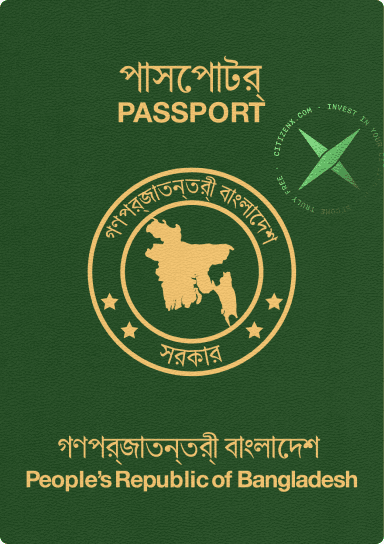
Bangladesh allows dual citizenship in qualifying circumstances, but the country involved and your own eligibility matter.
The 2023 expansion of dual-citizenship benefits included Dominica, Grenada, St. Kitts and Nevis, and Saint Lucia among the additional countries announced. That makes several Caribbean routes relevant to Bangladeshi families considering another nationality.
Still, get the current legal position confirmed for the precise nationality you are considering and for each family member. Do not assume every investment citizenship destination receives identical treatment.
Ask what documentation you will need to establish and use your status afterward. The government's move to online Dual Nationality Certificate applications took effect in May 2025. A proper plan should include the applicable certificate process, rather than ending when the foreign passport arrives.
There may also be consequences for public office, government employment, or other roles with nationality requirements. If that affects your family, include it in the initial legal review.
For someone whose main concerns are private business, family life, and mobility, there may be a sensible route through these questions. The aim is to establish it early and then move forward with confidence.
The money question deserves its own conversation
This is where many generic CBI guides become much less useful.
A large amount of wealth in Bangladesh does not automatically translate into an unrestricted ability to send the equivalent abroad for a citizenship contribution. You need to know how the actual payment fits the foreign-exchange rules.
Bangladesh Bank's foreign-currency account guidance distinguishes between account types, residents, and non-residents. The legal position depends on how funds were earned, where they are held, and the permissions attached to them. It is not settled simply by describing the payment as an investment.
Have an authorized dealer bank and Bangladeshi foreign-exchange adviser confirm the route and any required approval before you commit to substantial fees.
An NRB using documented savings earned abroad may have a different path from a Dhaka resident selling a local property. An exporter also needs to distinguish company receipts from personal funds available for a family application.
I would put this work near the top of the project. An affordable program is only useful if you can fund it properly and explain the transaction to every institution involved.
How citizenship by investment works
In an investment citizenship program, you make a qualifying contribution or investment and apply for nationality through the prescribed process. Approval follows government assessment of your application.
The evidence normally covers identity, family relationships, residence history, criminal records, and finances. Requirements vary by country and may include interviews or other personal formalities.
The most useful preparation is a coherent financial history. If the funds came from years of business earnings, the records should connect those earnings to the account paying the contribution. If they came from a sale or inheritance, document that chain instead.
For a family business, it is easy to understand internally why money belongs to a particular person. An external reviewer needs documents that make the same point.
The contributions below are starting amounts before government processing, due diligence, passport, and licensed agent fees. The relevant number is the complete cost for your household.
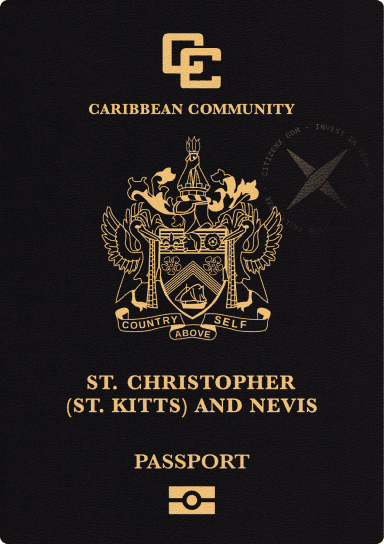
St. Kitts and Nevis: a useful benchmark
I would begin by looking at St. Kitts and Nevis, then use it to compare the alternatives.
For a Bangladeshi entrepreneur, the appeal is a clearly defined citizenship route that can be evaluated against the family's travel and long-term needs. You do not have to combine the decision with a speculative property purchase.
I would compare the cost with the practical improvements you expect over the next ten or twenty years. How often do you travel? Which applications create the most friction? Would your family value the right to live in the issuing country?
Be specific. Citizenship there does not create a general right to live or work in Europe, Britain, or the United States. If one of those places is your intended home, a separate residence plan belongs alongside the passport strategy.
For an individual applicant, that lower contribution deserves a place in the comparison. For a family, the gap may look different once the full fee schedule and dependant rules are applied.
The deciding factor should be what the passport does for you. Make a list of your regular destinations and check current entry requirements directly. Treat old country counts and inherited marketing claims with caution.
I would happily consider a less expensive option if it delivered the rights I needed. Saving money becomes less attractive when the cheaper product leaves the original problem unsolved.
Grenada: assess it on the benefits you actually gain
Grenada's contribution program starts at US$235,000 before fees. It is another option to assess for an eligible Bangladeshi family, including the exact dependant rules and nationality position.
One common sales pitch deserves a correction. Bangladesh is already on the U.S. E-2 treaty-country list. A Bangladeshi citizen may therefore already satisfy the nationality element of that investor-visa category.
You still need to meet the business, investment, visa, and other applicable requirements. The point is that you should examine the route available through your existing nationality before paying for another one on the promise of E-2 eligibility.
Grenada may make sense for other reasons. Compare those reasons honestly. A good citizenship decision does not need a benefit inflated to make the numbers work.
Antigua and other alternatives
Antigua and Barbuda's NDF route starts at US$230,000 before fees. It is worth obtaining a family-specific comparison, particularly when the household extends beyond two parents and young children.
Check the 2026 U.S. visa restrictions affecting Antigua and Dominica if American travel matters. Partial suspension covers specified visitor, student, exchange, and immigrant categories, with exceptions and existing-visa protections.
Have Bangladeshi counsel verify the relevant dual-nationality treatment for Antigua specifically. Do not infer the answer from the status of a neighbouring Caribbean country.
You may also encounter newer or less expensive programs, including São Tomé and Príncipe. Its advertised individual contribution begins at US$90,000 before fees, but the home-country nationality treatment, program maturity, and travel value need their own assessment.
I would not automatically place a newer program ahead of an established one because the headline price is lower. Nor would I dismiss it solely because it is new. Ask what has been verified, what the renewal arrangements are, and whether it meets your family's requirements.
There is no prize for choosing the most unusual passport. The useful one is the one you can rely on for the purposes you bought it for.
Include the people who make the plan work
Family eligibility is often where a promising comparison changes shape.
An older child at university may be treated differently from a younger child. A parent may need to meet an age or dependency test. A sibling is not automatically eligible because they depend on the family business.
Before asking for prices, make a list of everyone you want included, with ages, relationships, marital status, and relevant dependency details. Ask for a clear answer for each person.
Then consider the practical side. If your parents need regular medical care, would they be able to travel with you? If your child turns eighteen during the application, does that affect the documentation or eligibility? If only one spouse applies, what does that mean for the rest of the household?
These are ordinary family questions. They deserve more attention than the colour of the passport cover.
Keep investment discipline intact
Citizenship-linked property can sound especially attractive when you are accustomed to holding wealth in real estate. You get an asset and a passport in the same transaction.
But the asset still has to justify its price.
I would examine independent valuations, ownership rights, maintenance costs, rental assumptions, and the likely buyer when the holding period ends. Program approval does not make the property a good investment.
My usual preference is to evaluate the citizenship cost separately from the investment portfolio. That makes the trade-off visible and leaves you free to invest elsewhere on commercial terms.
If you would genuinely enjoy owning and using the property, that is relevant. Just distinguish the value of a home you want from returns being promised in a sales presentation.
What I would do before making a commitment
I would settle the dual-nationality and funding questions first. Then I would compare St. Kitts and Nevis, Dominica, and Grenada using the same family details and the same cost assumptions.
I would request a written breakdown of the contribution, government charges, due diligence, interviews where applicable, document work, and licensed agent fees. I would also ask which payments are refundable and when each becomes due.
Next, I would organize the records. Names and dates should be consistent across birth certificates, passports, marriage records, and financial documents, with discrepancies explained properly. Previous visa refusals belong in the discussion from the start.
I would leave enough time for follow-up questions and avoid booking important travel against an estimated completion date. Once citizenship is granted, I would complete the applicable Bangladeshi documentation and update the institutions that need the new information.
If the family also moves, tax residence and business arrangements need a separate review. Acquiring a passport does not itself settle those questions.
Keep home, and create more room to choose
You do not have to decide that Bangladesh has no future for you in order to prepare another option.
You may be optimistic about the business and still want easier travel. You may want the children to know Bangladesh well and also have the freedom to build lives elsewhere. Both can be part of the same family plan.
The right second citizenship should make those choices easier, with a cost and process you understand.
Start with CitizenX to compare the routes that fit your household. Ask for an all-in quote including government costs and licensed agent fees, with no additional CitizenX fees. A useful Plan B should give you confidence long before you ever need to use it.