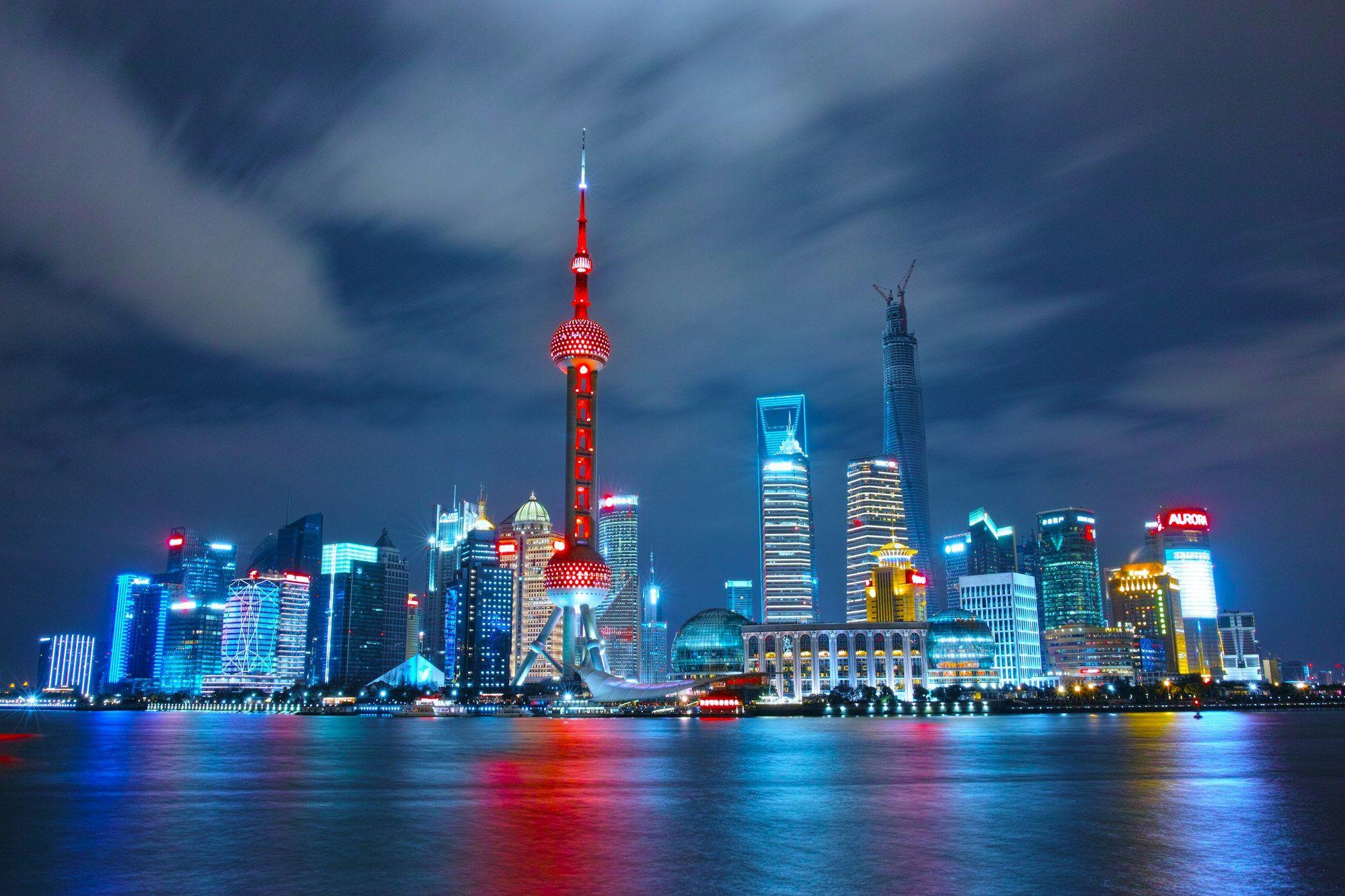
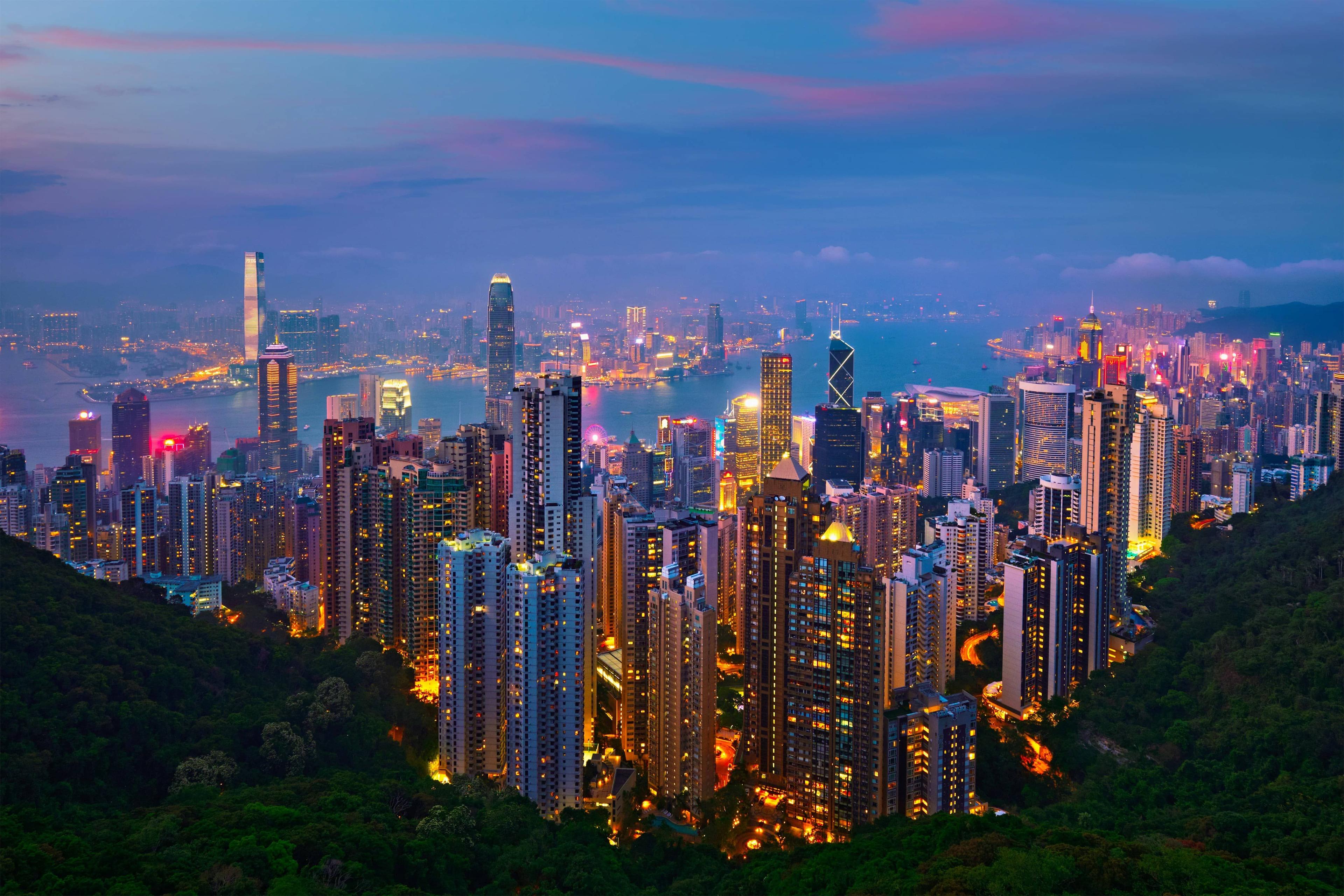
Singapore Wealth Hub: How the China Exodus Built Asia's Money Capital
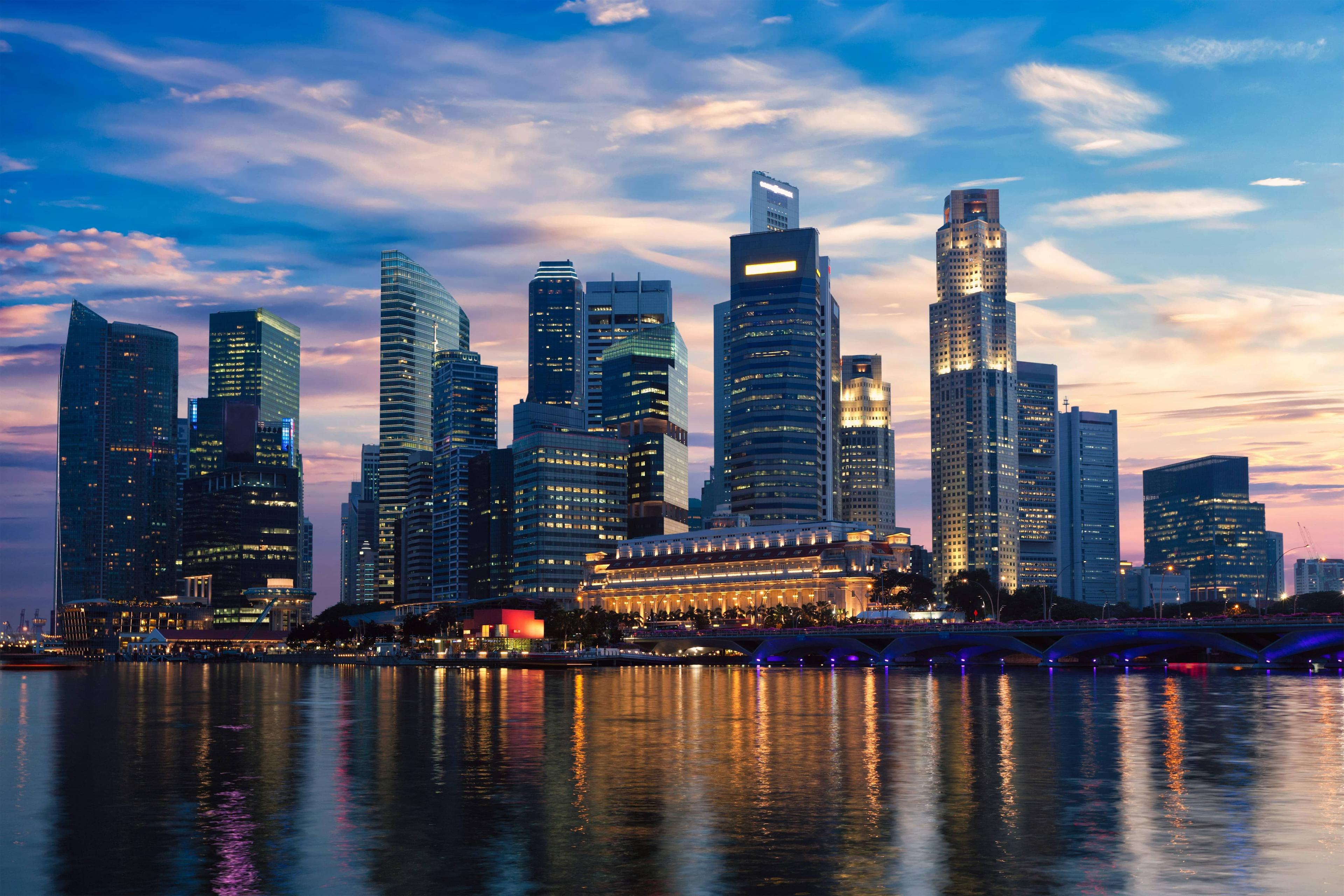
Chinese capital is leaving at record rates, and Singapore has become its favorite destination. What's driving the exodus, what the data shows, and what it means for your own Plan B.
AR
Co-founder & CEO
Reading time: 5 minJul 21, 2026 • 2:00 PM
Singapore had fewer than 400 single family offices in 2020. By 2025, the count had passed 2,000, and industry analyses of Monetary Authority of Singapore data put a majority of all family offices in Asia inside the city-state.
That growth did not come from nowhere. It came, to a large degree, from China.
The CitizenX Wealth Migration Lab tracks these flows on its Capital Exodus dashboard, and the pattern has been consistent for years: China shows the largest millionaire outflows of any major economy, while Singapore sits among the top destinations alongside the UAE and the United States. In 2025 the broader numbers caught up with the millionaire data. China recorded an estimated $1 trillion in capital outflows, more than double the levels seen since 2021 and the largest annual outflow since records began in 2006.
This is what a wealth exodus looks like from the receiving end.
Why Chinese wealth is leaving
The push factors are structural, not cyclical.
Start with capital controls. Chinese citizens are limited to converting $50,000 per year in foreign exchange, a quota that makes legally moving serious wealth abroad slow at best. The quota has been in place for years, but enforcement tightened as outflows accelerated, and Beijing moved to restrict overseas investment channels further after the 2025 outflow surge. For a Chinese entrepreneur, the message is hard to miss: the door is closing, and wealth inside the country is wealth that may stay inside the country.
Then there is political risk. The regulatory campaigns that hit tech, education, and property between 2020 and 2022 erased fortunes by decree rather than by market forces. Common prosperity rhetoric, exit bans applied to businesspeople, and the property sector's slow-motion collapse all taught the same lesson: property rights in China are conditional. Hong Kong, once the escape valve, stopped looking like one after the National Security Law of 2020.
None of this requires the wealthy to predict China's future. It only requires them to hedge it. And hedging, for a family with generational wealth, means getting some of it, and often themselves, out.
Why Singapore caught the money
Singapore's pitch to mobile Chinese wealth is unusually complete. It is ethnically majority-Chinese and Mandarin-friendly, a familiar culture at a safe political distance. It sits in the same time zone as Shanghai. It taxes no capital gains and no inheritance. And its courts enforce contracts the way Chinese courts don't.
The government built infrastructure to receive the inflow. The 13O and 13U tax incentive schemes exempt qualifying family office funds from tax on most investment income, with incentives extended through 2029. The Variable Capital Company structure lets funds launch in weeks. The result: single family offices went from under 400 in 2020 to more than 2,000 in 2025, with the segment's assets up more than 40% year on year. A large share of the post-2020 wave came from mainland China and Hong Kong, enough that a new Mandarin-speaking wealth management industry grew up around it, along with a nickname for the wave itself: run xue, "run philosophy," the coded Chinese internet term for getting out.
For permanent residency, Singapore's Global Investor Programme sets a deliberately high bar. Since the 2023 revision, applicants must invest at least S$10 million in a Singapore business, S$25 million in an approved fund, or establish a family office with at least S$200 million under management, of which S$50 million must be deployed into Singapore. Only around 450 people have secured PR through the programme in a decade. Singapore isn't selling residency cheaply. The programme selects for wealth that arrives with an operating business or an investment team attached.
The stress test: dirty money and the 2023 scandal
Rapid wealth inflows attract wealth of every provenance, and Singapore learned this publicly. In August 2023, police raids seized more than S$3 billion in assets, from bungalows to gold bars, and arrested ten foreign nationals, several of them Chinese-born, in the country's largest money laundering case. The fallout ran for years: in July 2025, MAS fined nine financial institutions, including Credit Suisse, UOB, and Citibank, a combined S$27.5 million for anti-money-laundering failures connected to the case.
The consequences for legitimate Chinese wealth were immediate. Banks now subject mainland-origin clients to longer onboarding, deeper source-of-funds scrutiny, and more rejections. Family office applications slowed while approvals tightened. By late 2025, reporting described some wealthy Chinese quietly relocating assets out of Singapore again as the compliance burden grew.
That counter-trend is worth taking seriously, but it should be read correctly. Singapore is not turning wealth away; it is repricing admission. The jurisdiction is betting that credibility with regulators, and with the clean money that cares about regulators, is worth more than volume. For wealthy families with transparent source of funds, the scrutiny is friction. For everyone else, it is a wall.
What the receiving end tells you
Singapore's rise is the mirror image of the outflows the Wealth Migration Lab documents elsewhere: Norway's wealth tax exodus, the UK's non-dom departures, the $500 billion that moved between US states since 2020. Capital consistently flows from jurisdictions that treat it as a target toward jurisdictions that treat it as a client. The Chinese case adds the sharpest version of the lesson, because the trigger was never tax rates. It was the credibility of property rights.
That lesson applies well beyond China. Wealth migration is a leading indicator, and the time to arrange mobility is before you need it. Chinese families who established Singapore structures, second residencies, or second citizenships before 2020 executed their moves on their own terms. Those who started after the controls tightened are paying more, waiting longer, and explaining themselves to more compliance officers.
Singapore's front door, at S$10 million and up, is one route. It is not the only one. Families building a Plan B at an earlier stage of wealth often start with a citizenship by investment program to secure mobility first, then layer on tax residency planning as assets grow. The sequencing matters less than the timing: every recent episode, from Oslo to Shanghai, shows the cost of exit rising after the exodus begins, not before.