Citizenship by investment for Pakistanis, explained honestly: dual nationality, Egypt, Caribbean options, funding, and the family decisions that matter."
An invitation arrives on Monday. The meeting is next Thursday. Your business partner books a flight. You start checking visa appointments.
For a Pakistani entrepreneur working internationally, that difference can become exhausting. You can have the money, the customers, and the reason to travel, yet still have little control over when you can go.
A second passport can help. But Pakistanis need an answer to a more basic question before choosing one: can you keep Pakistani citizenship alongside the nationality you are considering?
Pakistan permits dual nationality with specified countries. That is a narrower rule than the phrase “Pakistan allows dual citizenship” suggests. Several well-known investment citizenship destinations fall outside the published list.
This changes the shortlist considerably. It also makes Egypt more relevant than many generic Caribbean comparisons acknowledge.
Here is where I would start, what I would compare, and where I would slow down.
Why a Pakistani family might want another citizenship
Travel is usually the most visible benefit. A passport that reduces visa friction on your regular routes can make it easier to run an international business and keep family plans intact.
There is a quieter benefit too: having another country where you have a right to belong.
You may want to keep your company in Karachi, your home in Lahore, or your parents close by. Preparing an alternative does not force a move. It gives you more say over the timing if your circumstances change.
The same applies to Pakistanis living overseas. A comfortable life in another country can still depend on employment, a business licence, or a residence permit. Think about what happens to the family if the arrangement supporting that residence ends.
I would ask a simple question: if you had to reorganize your life in six months, which rights would you wish you had secured earlier?
A useful citizenship strategy should answer that question in concrete terms. More passport stamps are a bonus. A workable family option is the point.
Pakistan's dual-nationality rules: check the country pair
The Directorate General of Immigration and Passports publishes an official list of 22 dual-nationality countries. It includes Egypt, the United Kingdom, the United States, Canada, and several European countries.
The main Caribbean citizenship-by-investment countries are not on that list. Türkiye is not listed either.
This means you should not assume a Caribbean or Turkish citizenship can simply be added while retaining Pakistani nationality. Obtain Pakistani nationality advice on your specific situation before making a commitment. Age, family circumstances, and statutory exceptions may matter; a general marketing page cannot settle them.
For many readers, keeping Pakistani citizenship will be a priority. It may be bound up with home, family, identity, and future plans. State that clearly at the beginning of the process.
If a proposed route does not fit that requirement, move on. An attractive travel document is a poor purchase if it creates a nationality problem you never intended to take on.
Also assess public employment, elected office, or other sensitive professional roles separately where relevant. Permission to hold two nationalities does not necessarily mean every role remains open on the same terms.
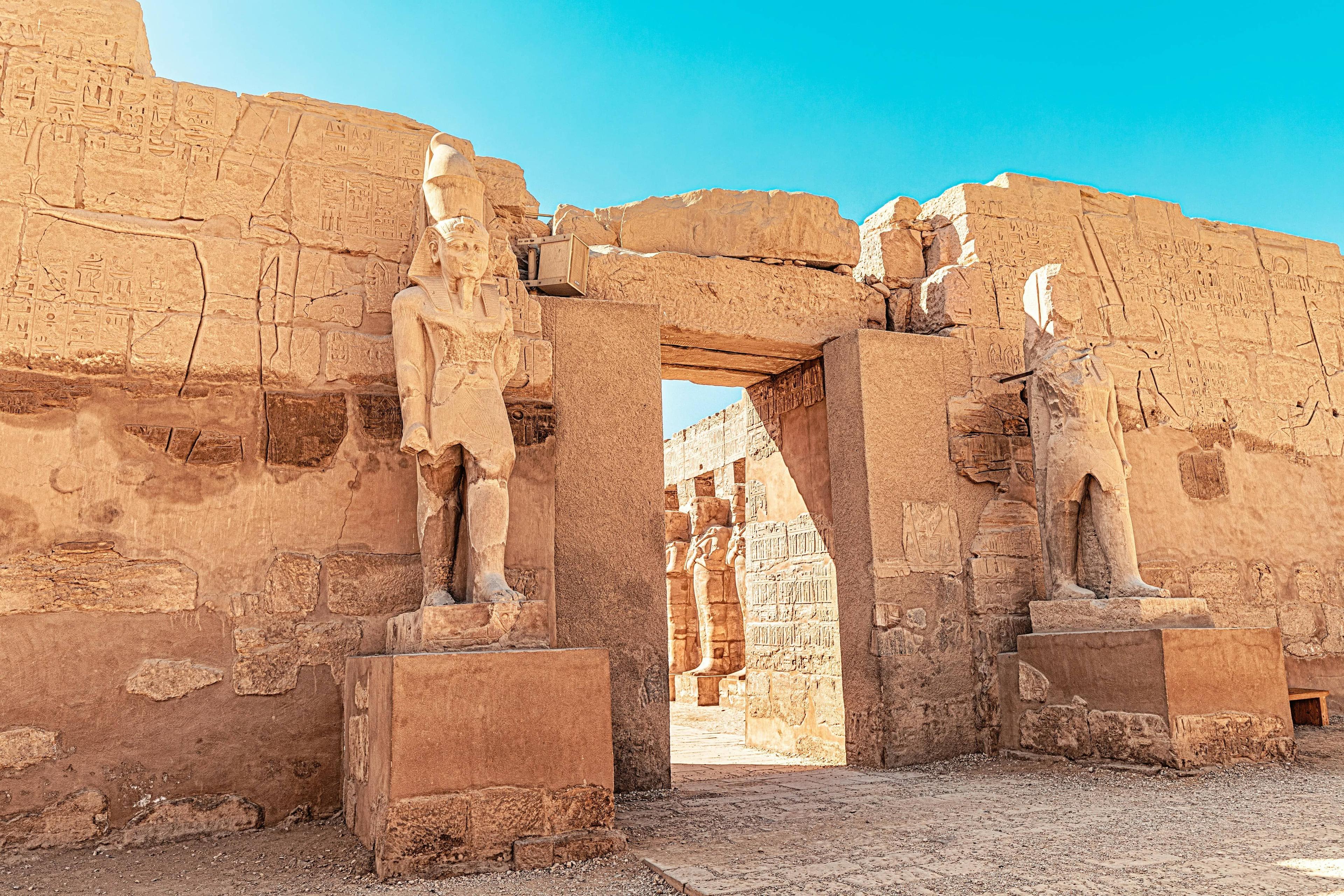
Egypt deserves an early look
Egypt is unusual in this comparison because it combines an investment citizenship route with a place on Pakistan's published dual-nationality list.
The Egyptian government's direct-contribution option requires US$250,000, transferred from abroad, before other costs. It is a non-refundable contribution under the program's rules.
For a Pakistani who wants another citizenship while retaining Pakistani nationality, that makes Egypt a serious candidate for assessment. It does not guarantee admission to the program, and the family's eligibility and nationality treatment still need confirmation.
I would look at Egypt primarily as another country in which to build a life. Ask whether you would actually spend time there, whether the family likes it, and whether its business, education, and healthcare options suit your needs.
If your objective is a dramatic improvement in European leisure travel, compare the precise entry rules first. The right to live in Egypt and visa-free access to a third country are different benefits.
Family timing also deserves attention. Do not assume the spouse and children receive citizenship simultaneously or under identical conditions. Have the current rules and full household cost explained before treating the family's Plan B as complete.
Caribbean citizenship: useful, with a nationality decision attached
The Caribbean remains relevant for Pakistanis who have resolved the home-country legal position and are comfortable with the consequences of the chosen route.
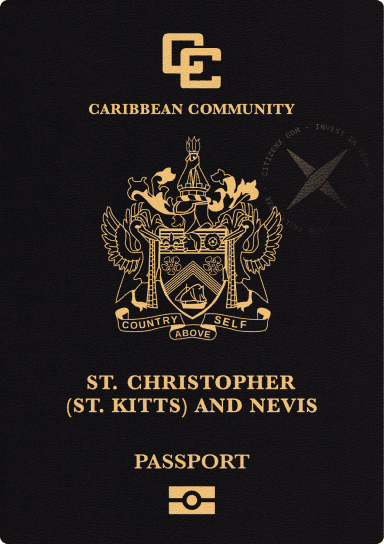
I would begin a program comparison with St. Kitts and Nevis. Its contribution route starts at US$250,000 for a main applicant or an eligible family of up to four, before fees.
It offers a clear benchmark for comparing the cost and practical value of another citizenship. Put it alongside your travel needs, family eligibility, and the rights you would gain in the issuing country.
Then compare Dominica's contribution route, starting at US$200,000 for an individual or US$250,000 for a qualifying family of four, before fees.
Antigua and Barbuda starts at a US$230,000 NDF contribution before fees, while Grenada starts at US$235,000 before fees.
Those figures are starting points, not recommendations based on price alone. An adult child, a dependent parent, or a different household structure can change which program makes sense.
Most importantly, an issuing country's willingness to grant citizenship does not answer Pakistan's retention question. Resolve both sides. I would never leave that for the week the foreign citizenship is due to be granted.
Also weigh the current U.S. restrictions on Antigua and Dominica. Certain visitor, student, exchange, and immigrant visa categories face partial suspension, with exceptions and existing-visa protections. Your precise nationality and visa history matter if America is part of the plan.
You may already have the U.S. treaty eligibility being advertised
Grenada is frequently promoted for its connection to the U.S. E-2 investor visa. Pakistani applicants should know that Pakistan itself is already an E-2 treaty country.
That means a Pakistani national may already meet the nationality element of the category. A qualifying investment, business, and successful visa application are still required, and other current U.S. rules apply.
It is worth having that conversation with a U.S. immigration lawyer before buying a citizenship principally for E-2 access.
I like Grenada as a country to compare on its own merits. I would not pay for a benefit I could pursue using the passport already in my drawer.
If your actual objective is to operate a business in America, work backward from that objective. The best next step may be a U.S. business and immigration assessment, rather than a second nationality application.
Funding matters as much as program eligibility
There is an important difference between a Pakistani resident with wealth in local assets and an overseas Pakistani with documented savings abroad.
The State Bank of Pakistan's rules on investment abroad by residents set conditions for specified transactions. They should not be read as a general permission to send money abroad for a citizenship contribution.
Have your authorized dealer bank assess the exact payment and identify any approval required. Include the recipient, payment purpose, source account, and supporting documents. Confirm the route before you incur substantial non-refundable costs.
Lawfully held overseas funds may produce a different analysis, but the source and ownership still need to be documented. A relative offering to pay does not make those questions disappear; sponsorship itself may have program and banking conditions.
For a business owner, start with a clean explanation of how the funds became personal assets. Company revenue, dividends, sale proceeds, and personal savings are not interchangeable labels.
Getting this right early makes the rest of the application more predictable.
What a credible application looks like
The government needs to understand who you are, who is applying with you, and where the money came from.
Expect identity and civil records, residence information, police certificates, and financial evidence. Interviews and other requirements depend on the destination. Applications usually pass through the program's authorized agent structure.
For Pakistani families, I would check consistency across passports, birth records, marriage documents, and family records at the beginning. A spelling difference may be innocent, but it still needs a clear explanation. Fixing it early is easier than responding under a deadline later.
The same applies to visa history. A refusal is something to discuss accurately with the adviser, including whether the program treats it as an eligibility issue. Omitting it can create a much larger problem.
You should receive a written account of what happens at each stage, which fees are non-refundable, when the main contribution is due, and what follows government approval. A processing estimate is useful for planning; it is not a guaranteed passport-delivery date.
Decide what the family actually needs
Imagine two households with the same budget.
One wants to continue living in Pakistan while making international business travel easier. The other wants the children in school abroad next year and a stable place for the parents to join them.
They may need very different plans.
For the first, the passport's practical travel benefits matter heavily, alongside the citizenship-retention question. For the second, a suitable residence route in the intended destination may solve the immediate need more directly.
A Caribbean passport does not automatically give you permission to settle in Britain or Europe. If that is where you want the family to live, assess the relevant residence options in parallel.
Also decide who needs the option. A plan covering one parent can leave the rest of the household dependent on a separate application. Include the people whose ability to move would determine whether the plan works at all.
Why I usually separate citizenship from property
A property sold with a citizenship route has to pass two tests: does it qualify, and is it worth owning?
The first answer tells you very little about the second.
I would want an independent view of the price, ownership structure, maintenance obligations, and realistic exit. Rental projections deserve the same scrutiny you would apply to any unfamiliar investment at home.
If your goal is a passport, a contribution can be easier to budget and understand. If your goal includes owning a home in the destination, property may make sense, but buy with your eyes open.
You have probably spent years building your capital. There is no reason to lower your investment standards because a brochure includes a passport.
What I would do if I were a Pakistani applicant
I would begin with one question: is retaining Pakistani citizenship non-negotiable?
If yes, I would investigate Egypt and other legally compatible routes, while comparing residence in the places the family genuinely wants to live. I would not start by choosing a Caribbean flag and hoping the nationality rules could be dealt with later.
If I were prepared to consider a citizenship transition, I would get that process explained in writing, including the implications for my family and future relationship with Pakistan. Then I would compare the Caribbean programs against the real objectives.
In either case, I would arrange the funding review early, request a full household quote, and keep the plan manageable. Two or three carefully assessed options are more useful than twenty attractive brochures.
More freedom, with a plan you can use
There is nothing unreasonable about wanting your family's options to reflect the international life you have built.
The useful plan is the one that works legally, can be funded properly, and gives you rights you will actually value. For a Pakistani applicant, those details can point toward a very different answer from the standard CBI sales pitch.
Start your comparison with CitizenX and request an all-in quote covering your household, government costs, and licensed agent fees, with no additional CitizenX fees. Bring the nationality question into the first conversation. It will make every conversation after it more productive.